
Get In Contact

Head Office—Post Falls

3635 E. Covington Ave.
Post Falls, ID 83854
(800) 833-9997

Denver

9518 I-25 Frontage Rd.
Longmont, CO 80504
(800) 833-9997

Oregon

63765 Dechutes Market Rd
Bend, OR 97701
(800) 833-9997

Sagle Idaho

154 Ivy Dr
Sagle, ID 83860
800-833-9997

Spokane Valley

13520 E. Nora
Spokane Valley, WA 99216
509-464-0000

Zillah

804 Zillah West Drive
Zillah, WA 98953
(800) 833-9997

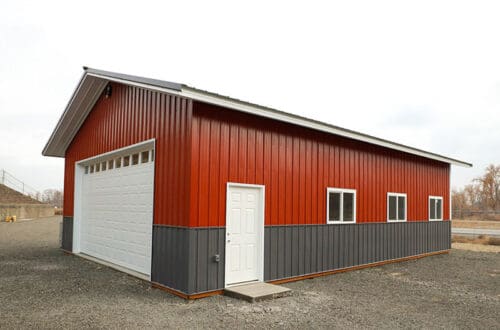
13316_Postfalls_Idaho_Shop_50x100x18

Framing and Loft Floors

Framing and Loft Floors

When you plan a new steel building or pole barn, interior framing matters. In particular, framing choices affect insulation, drywall, and loft space. Because of that, Steel Structures America offers framing and loft floor options that help you shape the space. These options work well for garages, workshops, barndominiums (barn-style homes), and storage buildings. With the right choices, your building can stay strong, energy efficient, and ready for future upgrades.

In addition, our team designs for local climate and building codes. For colder areas like the Inland Northwest, wall and ceiling insulation can improve comfort and reduce heat loss. Below, you’ll find common framing options and what each one does best. That way, you can plan now and still leave room for changes later.
13316_Postfalls_Idaho_Shop_50x100x18
Framing and
Loft Floors

Wall Framing Options in Post-Frame Buildings

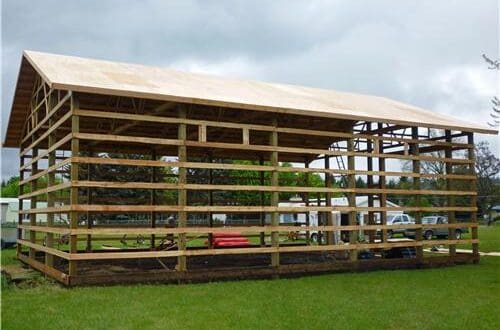
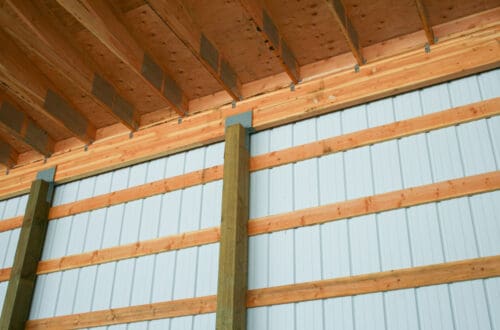
In post-frame (pole barn) construction, vertical posts (columns) support the walls. Horizontal framing members, called girts, attach to the posts and support the wall cladding. Because girts tie into insulation and interior finishes, your wall framing choice can change how the building feels and functions over time.
Framing and Loft Floors | Steel Structures America

Standard wall girts work well for basic pole buildings. Crews install 2×6 boards horizontally on the outside of the posts, and they space them 24 inches on center. Next, steel siding fastens directly to these girts. Because this option keeps costs down, it fits buildings that do not need insulation or drywall. However, if you plan to finish the interior later, you’ll usually want commercial girts or interior stud walls. For that reason, homeowners often choose standard girts for uninsulated garages, barns, and simple storage buildings.

Framing and Loft Floors | Steel Structures America

Commercial wall girts, also called bookshelf girts, support insulated and finished interiors. Instead of mounting outside the posts, crews install these 2×6 boards horizontally between the posts and lay them flat. They typically space them 24 inches on center up the wall. This layout creates a cavity, so you can add R-19 batt insulation. In addition, the interior side gives you a flat surface for drywall or other finishes. As a result, many customers choose commercial girts for insulated shops, finished garages, and barndominiums.

Framing and Loft Floors | Steel Structures America

Vertical stud walls create a look and feel closer to traditional house framing. Crews place 2×4 or 2×6 studs vertically between the posts, and they space them 16 or 24 inches on center. This option supports insulation, often R-19 or higher, and provides solid backing for drywall. Also, stud walls make it easier to use non-steel exterior finishes such as wood siding, fiber cement, or stone veneer. However, stud walls use more lumber, so they can increase material and labor costs.

Framing and Loft Floors | Steel Structures America

If you plan to heat your building, a framed ceiling can improve comfort and efficiency. Crews install ceiling joists, often 2×6 lumber, between the bottom chords of the trusses and space them 24 inches on center. Then you can attach drywall or another ceiling finish. Next, you can add insulation above the ceiling, most often blown-in insulation. As a result, heat stays in the living or work area instead of rising into the full roof cavity. Because of this, many heated garages, shops, and barndominiums use a framed ceiling.

Gable Buildings | Steel Structures America

Bottom-loaded trusses support added weight along the bottom chord. Homeowners often choose them for finished ceilings, attic storage, or hanging equipment. Unlike standard trusses, engineers size these trusses to carry extra load. Because of that added strength, bottom-loaded trusses can support future upgrades more easily. For example, they help if you plan to store items above the ceiling or hang heavier lighting. So, planning for bottom-loaded trusses early helps the roof system match your long-term goals.

Wood Roof Decking | Steel Structures America

Wood roof decking creates a solid surface across the trusses. Crews install OSB or plywood before the roofing material. Asphalt shingles require this type of decking, so it’s a must for many urban residential-style roofs. Even with metal roofing, decking can add a more solid feel and improve overall stiffness. Also, some engineered designs and local requirements call for decking. For homeowners who want a shingled roof to match the house, Steel Structures America can install 7/16″ OSB or 1/2″ plywood across the trusses.

Gable Buildings | Steel Structures America

Wood wall sheathing uses 7/16″ OSB panels applied over wall girts or vertical stud walls. This option is required when steel siding is not used and an alternative exterior finish is planned. By creating a continuous wood surface, wall sheathing adds rigidity and strengthens the overall wall system. Because of this solid backing, finishes such as lap siding, stucco, or other non-metal materials rely on sheathing for proper support. In addition, wall sheathing improves wind resistance by increasing shear strength.

Loft Floor | Steel Structures America

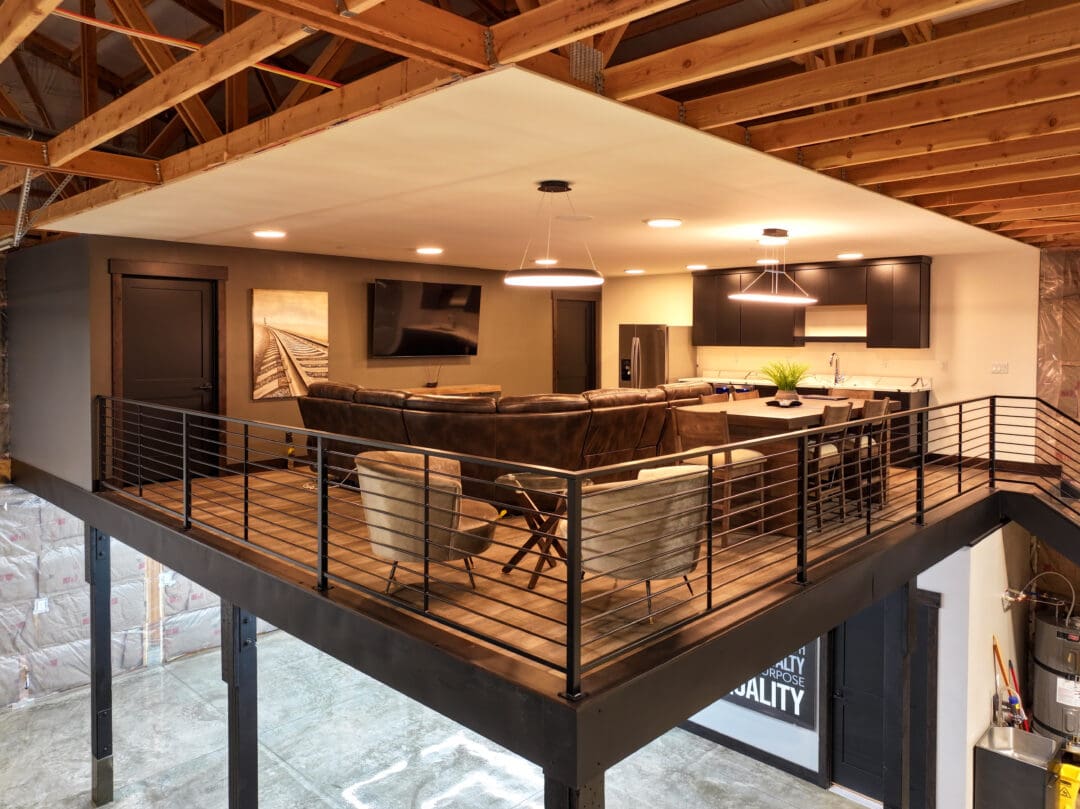
A loft floor adds a partial second level inside the building. Most lofts cover only part of the main level, so one or more sides stay open to the space below. In barns, lofts often store hay. In garages and shops, lofts store tools, equipment, or seasonal items. In addition, some customers turn lofts into hangout areas with seating, air hockey, or other game tables. Because a loft uses vertical space, it adds function without expanding the building footprint.

Interior Walls | Steel Structures America

Post-frame buildings use a clear-span design, so you don’t need load-bearing interior walls. Because the posts and trusses carry the load, you can plan rooms and open areas with more freedom. Homeowners add interior partition walls to divide space and create rooms. Crews frame these walls with 2×4 or 2×6 lumber and build them on top of the concrete slab. Since these walls do not support the structure, you can move or change them later if your needs shift.

Contact Our Team Today!

We've done thousands of projects and would love a chance to be a part of your next project!