
Wet Set Post Brackets: How They’re Installed and When They Make Sense
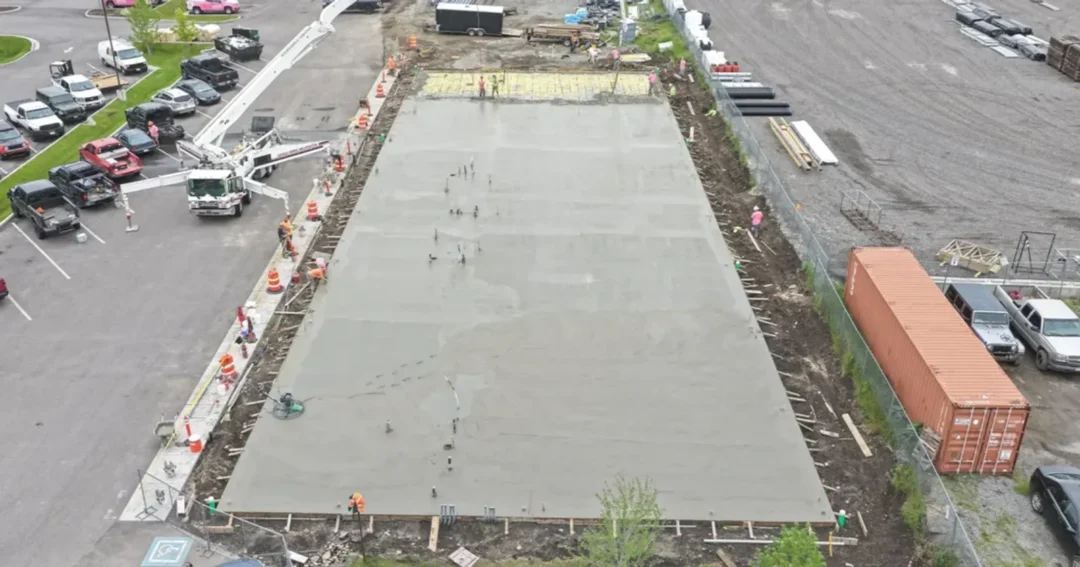
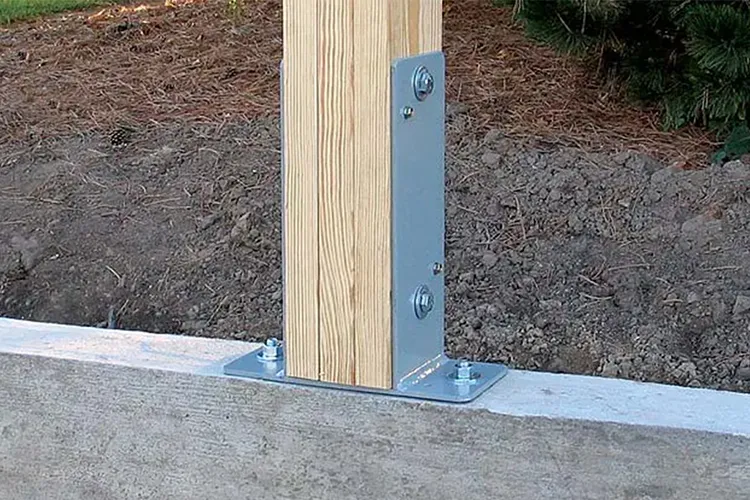
Wet set post brackets are steel brackets pushed into concrete while it’s still wet, so they cure in place and become part of the foundation. A pole barn post then fastens into the bracket and sits above the concrete instead of in the dirt. The honest answer on whether you need them: they’re a good fit when your building is going on a poured foundation, and they leave almost no room for error during the pour. Here’s how they work, how the install goes, and how they compare with the other ways to set a post.
What wet set post brackets do
In a traditional post-frame building, each post goes into a hole in the ground. The buried part of the post holds the building up and keeps it from racking in the wind. It’s also the part that sits in soil moisture, which is where pole barn post rot starts.
A bracket hands that job to concrete. The bracket’s anchoring steel is embedded in the foundation, the post sits in the bracket above the concrete, and fasteners lock the two together. No wood touches the ground.
“Wet set” just describes when the bracket goes in: during the pour, not bolted on afterward. Sturdi-Wall Plus is one well-known version, and we cover that product line in our guide to Sturdi-Wall brackets. This article is about the wet set method itself and how to plan around it.
How wet set post brackets get installed
The install happens in a short window, so the prep matters more than the pour.
- Engineer the foundation first. The concrete under each bracket has to carry the post’s load, including uplift and sideways wind force. That usually means a footing, frost wall, foundation wall, or pier, not an ordinary floor slab.
- Lay out every post location. Bracket positions come straight from the building plans: post spacing, wall lines, and door openings. Layout lines go up before any concrete shows up.
- Plan how the brackets will be held. Crews often use a template or a temporary frame so each bracket stays in line, plumb, and at the right height while the concrete is wet.
- Pour and set. The concrete goes in, the brackets get pressed into position, and the crew checks line, plumb, and elevation before the concrete starts to stiffen.
- Let it cure, then frame. Posts don’t go up until the concrete is ready to take load.
The catch is step four. Once the concrete sets, a bracket that’s out of line stays out of line. Fixing it means cutting it out or engineering a workaround, so experienced crews double-check everything before the truck arrives.
Wet set vs. drill-set brackets
Both types end up in the same place: a post on a bracket on concrete. The difference is timing.
| Wet set | Drill-set | |
|---|---|---|
| When it’s installed | During the pour | After the concrete cures |
| How it attaches | Cast into the concrete | Fastened with concrete anchors |
| Works on existing concrete | No | Yes, if the concrete is designed for the load |
| Layout | Has to be right before the concrete sets | Positioned on finished concrete |
| Best fit | New foundations planned around the brackets | Existing foundations and retrofits |
Which one your building needs isn’t a preference. It’s an engineering decision based on the loads at the base of each post. The manufacturer’s details at Perma-Column list the approved uses for each bracket.
Wet set brackets vs. posts in the ground vs. precast columns
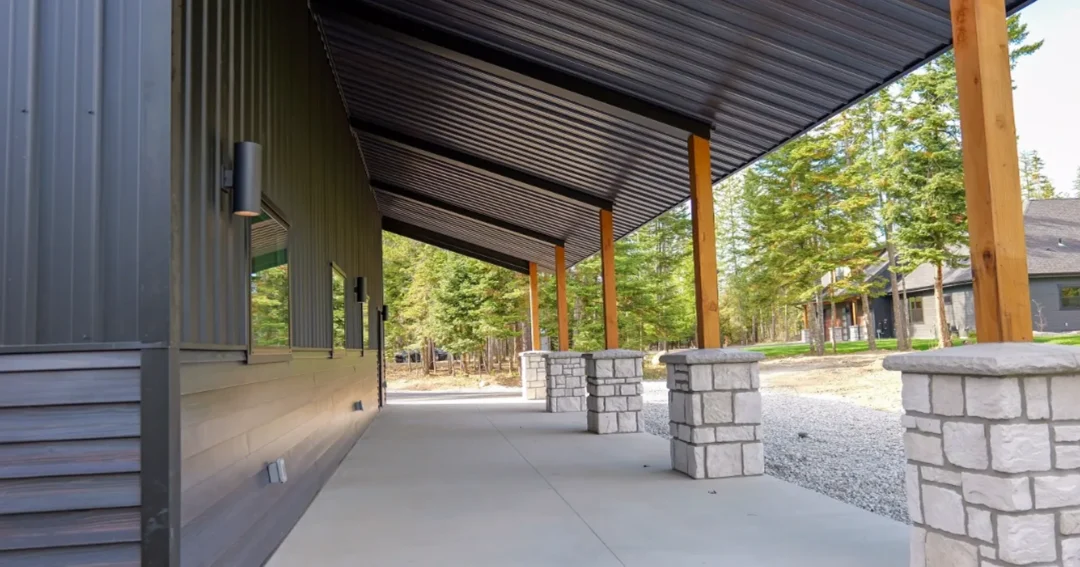
- Wet set post brackets make sense when concrete is already part of the plan: a stem wall, a frost wall, a daylight basement, or piers poured on site.
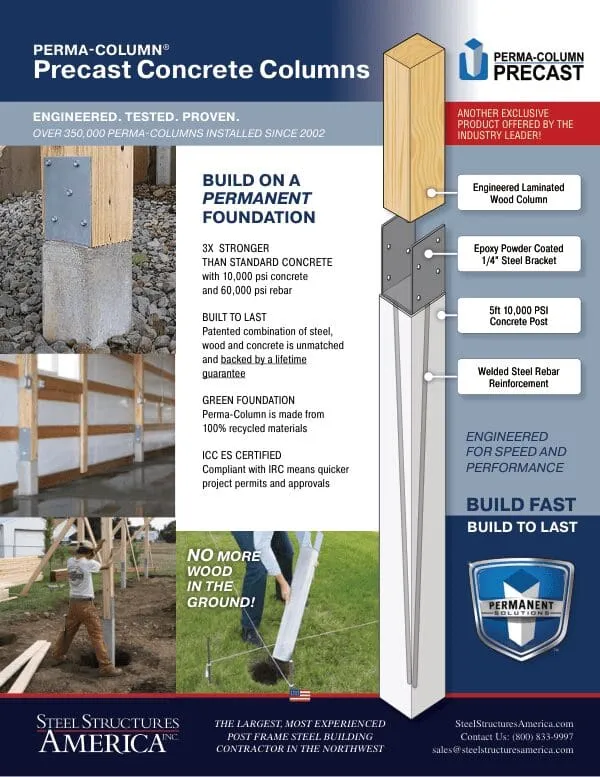
- Precast concrete columns like Perma-Column give you concrete below grade without a structural foundation pour. The column goes in the hole like a post would, with the bracket already built in.
- Embedded posts are the traditional approach. Treated columns are made for ground contact, but the wood is still in the soil.
For most new pole barns without a full foundation, precast columns are the simpler route because you don’t have to pour and cure concrete before framing starts. If you’re weighing the options, see concrete piers for pole barn builds and pole barn posts in the ground vs. on concrete.
Planning a building with wet set brackets
- Lock in doors and post spacing early. Moving a door after the pour can mean moving a bracket that’s cast in concrete.
- Decide how the base of the wall will be finished. A perimeter curb like rat wall concrete is often planned with the same foundation work.
- Plan for frost. In Idaho, Washington, Oregon, Montana, and Colorado, the concrete under each bracket has to sit below the local frost depth your county sets.
- Make one company own the layout. If one crew pours and another frames, someone has to be responsible for bracket positions. A single contractor handling both removes that handoff.
Our guide to pole barn foundations covers how these choices fit together.
Frequently asked questions
Can wet set post brackets go into an existing slab?
No. They have to be cast into fresh concrete. For existing concrete, a drill-set bracket is the option, and only if that concrete was designed to carry building posts. An ordinary floor slab usually isn’t.
Are wet set brackets stronger than drill-set brackets?
Cast-in steel makes a solid connection with no drilled anchors, which is why it’s often chosen where the base of a post sees higher loads. But strength depends on the bracket, the concrete, and the engineering together. The right one is whatever your engineer specifies.
Do wet set brackets cost more?
The bracket is usually the smaller part of the cost. The bigger one is the structural concrete underneath, which a post-frame building on precast columns doesn’t need. It’s priced per project.
The bottom line
Wet set post brackets are cast into a new pour so a pole barn’s posts can sit on concrete instead of in the ground. They’re a strong choice when your building is going on a poured foundation, as long as the layout is nailed down before the concrete sets. When there’s no foundation in the plan, precast columns are usually simpler. If you’re building in Idaho, Washington, Oregon, Montana, or Colorado, give us a call at (800) 833-9997 or request a free quote and we’ll help you sort out which fits your site.