
Pole Barn Kit vs. Turnkey Build: True Cost Comparison
Pole barn kit cost is one of the most searched topics in the post-frame space, and the reason is easy to understand. You see a 40×60 kit listed for $20,000 to $35,000 and the math looks compelling. But that number is just materials. The full picture looks a lot different once you add everything else a real building requires.
This guide walks through what kits include, what they leave out, and what completed pole barn projects actually cost when a contractor handles the whole job. The turnkey pricing in this article comes from our own project data here at Steel Structures America, not estimates from somewhere else.
What a Pole Barn Kit Actually Includes
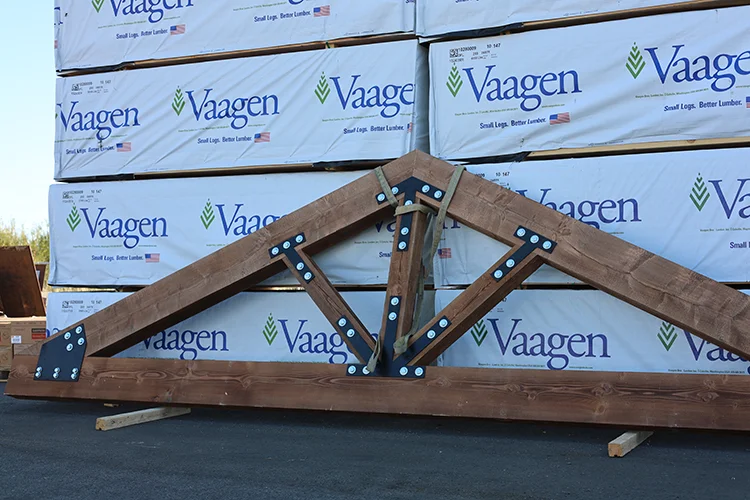
Before comparing costs, it helps to understand what you are getting when you purchase a pole barn kit. Most kits from reputable suppliers include:
- Treated posts or columns
- Trusses or rafters
- Roof purlins and wall girts
- Steel roofing panels
- Steel wall panels
- Trim, flashing, and fasteners
- Basic erection drawings
What kits do not include is where most buyers get surprised:
- Concrete slab or foundation
- Erection labor
- Overhead doors and hardware
- Walk doors and windows
- Electrical
- Insulation
- Site preparation and grading
- Permits and engineering stamps
- HVAC or plumbing
When you add those items back in, the gap between a kit price and a finished building budget becomes the real question. That is what this guide works through.
Pole Barn Kit Prices: What Materials Alone Cost
Kit pricing varies by manufacturer, size, steel gauge, and delivery distance. These are realistic ranges for common footprints, materials only:
| Building Size | Typical Kit Price Range | Notes |
| 24×24 | $8,000 to $16,000 | Materials only, no slab, doors, or labor |
| 30×40 | $14,000 to $25,000 | Materials only, standard gauge steel |
| 40×60 | $22,000 to $38,000 | Materials only, common commercial grade |
| 40×80 | $32,000 to $52,000 | Materials only, heavier framing |
| 50×100 | $50,000 to $80,000 | Materials only, engineered package |
These ranges reflect current market conditions. Steel prices shift, and regional delivery costs vary. Premium gauge steel, custom dimensions, or upgraded panel systems will push you toward or above the upper end.
What You Still Have to Pay For After Buying a Kit
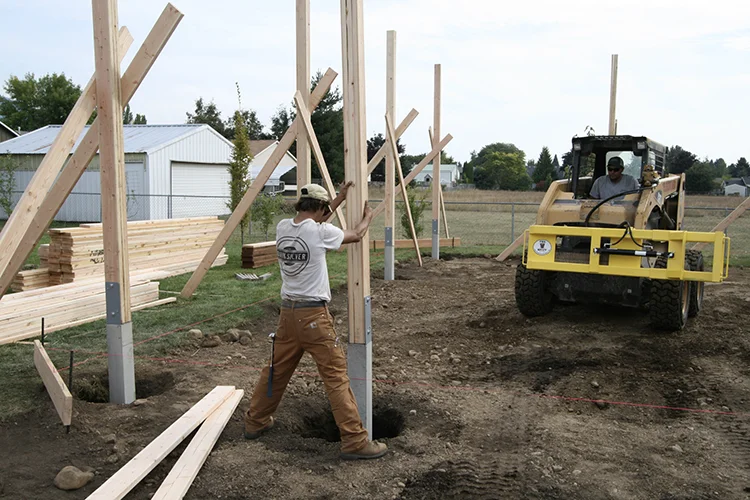
Here is where the comparison gets real. To get from a stack of materials to a functional finished building, a 40×60 kit buyer needs to budget for all of this:
| Cost Component | Estimated Range | Notes |
| Steel kit (materials) | $22,000 to $38,000 | Paid to kit supplier |
| Delivery to site | $1,500 to $5,000 | Varies by distance and access |
| Site preparation and grading | $3,000 to $15,000 | Depends heavily on your site |
| Concrete slab | $15,000 to $25,000 | 4 to 6-inch slab, standard reinforcement |
| Erection labor (hired crew) | $12,000 to $25,000 | If not doing it yourself |
| Permits and engineering | $1,500 to $5,000 | Stamped drawings often required |
| Overhead doors (2 standard) | $4,000 to $8,000 | Insulated doors with openers |
| Electrical | $8,000 to $18,000 | 200-amp service with shop wiring |
| Insulation (fiberglass) | $8,000 to $15,000 | Walls and ceiling |
| Contingency (10 to 15%) | $8,000 to $15,000 | Strongly recommended |
Adding those up for a 40×60, a realistic all-in kit budget lands somewhere between $83,000 and $169,000 depending on your site, your labor situation, and what you actually include in the finished building.
What Turnkey Pole Barns Actually Cost: Real Project Data
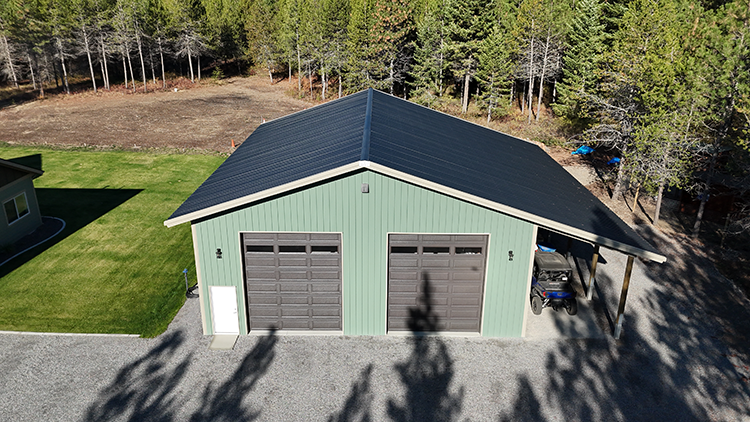
The table below uses real contract pricing from Steel Structures America projects. These are actual completed turnkey builds, not ballpark estimates.
| Building Size | Starting Point | Median | High | # of Projects |
| 30×40 | Contact us | $69,894 | $251,938 | 178 |
| 40×60 | Contact us | $119,721 | $260,774 | 140 |
| 24×36 | Contact us | $51,076 | $150,000 | 72 |
| 36×48 | Contact us | $101,636 | $244,142 | 72 |
| 24×30 | Contact us | $47,900 | $154,620 | 60 |
| 30×50 | Contact us | $84,392 | $260,766 | 49 |
| 40×40 | Contact us | $94,012 | $271,600 | 46 |
| 30×48 | Contact us | $84,016 | $162,510 | 42 |
| 40×50 | Contact us | $115,550 | $230,485 | 36 |
| 50×80 | Contact us | $181,250 | $358,465 | 13 |
| 50×100 | Contact us | $234,678 | $505,535 | 10 |
A few things worth noting about these numbers. The wide range from low to high on most sizes reflects site conditions, finish level, and included features not inconsistent contractor pricing. A basic 30×40 shop with gravel floor and minimal electrical is a very different project from a 30×40 with a concrete slab, insulation, full electrical, and overhead doors. Both show up in the same size category.
The median is the most useful number for planning. On a 40×60, that is around $120,000 for a complete turnkey build from SSA. Compare that to the $83,000 to $169,000 all-in kit range and the overlap is significant.
We have a full guide breaking down the cost of a pole barn down in detail here.
The Hidden Cost of the Kit Path: Your Own Time
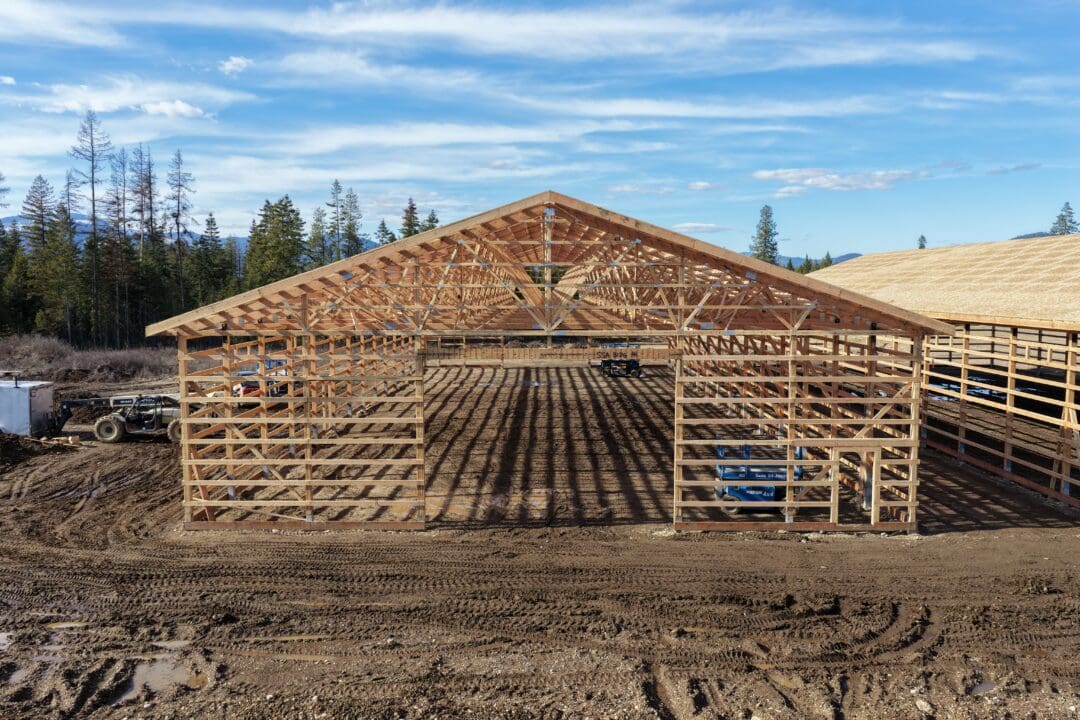
If you plan to do the erection yourself, the labor line item shrinks or disappears from your budget. But your time has real value, and it is worth being honest about that before committing to the DIY path.
Erecting a 40×60 pole barn from a kit, including setting posts, framing, installing purlins and girts, and fastening roofing and siding, typically takes a crew of three to four people working full days for one to two weeks. That assumes everyone has construction experience, proper tools, and no major complications.
- If you value your time at $50 per hour and erection takes 400 hours across your crew, that is $20,000 in labor that does not appear in your budget but is very real.
- Weather delays, material defects, and mid-project discoveries can extend the timeline significantly. First-time builders almost always underestimate this.
- Mistakes during erection are expensive to fix after the fact. Post placement errors, framing misalignment, and improper panel installation are all more costly to correct than to get right the first time.
- A kit project involves coordinating multiple separate contractors for concrete, electrical, and other trades, each with their own schedule and accountability. That coordination falls entirely on you.
This is not a knock on the DIY path. Capable buyers build good buildings from kits. But the honest question is whether the savings are real after you account for time, risk, and the coordination load.
What a Turnkey Build Actually Covers
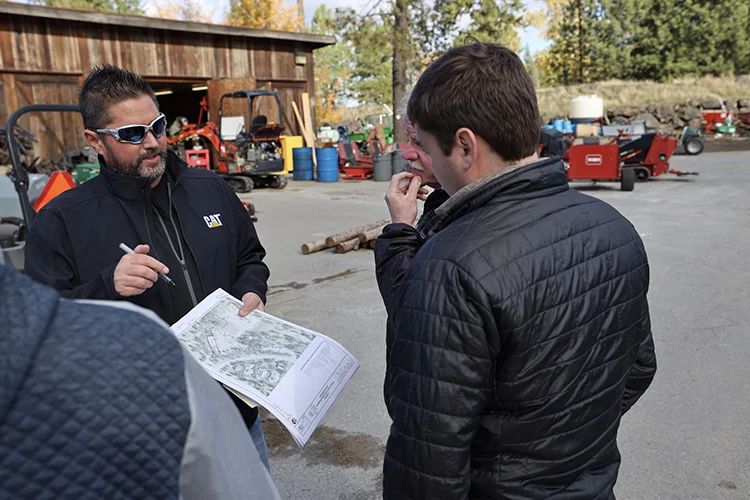
A turnkey pole barn contract from a reputable contractor includes the complete project from start to finished building:
- Permit coordination and engineering drawings
- Site prep coordination and grading oversight
- Foundation and concrete slab
- Complete structural framing and erection
- Roofing and wall panel installation
- Doors, windows, and trim
- A workmanship warranty on the finished structure
Items like insulation, electrical, and HVAC may or may not be included depending on the contractor and the contract. Always get a detailed list of inclusions and exclusions before you sign anything. SSA provides clear written quotes with explicit line items so there are no surprises.
The main advantage of turnkey is accountability. One party owns the outcome. If something is not right, there is no question about who is responsible for fixing it. On a kit project where you are managing multiple separate subcontractors, accountability is distributed and much harder to enforce.
Side-by-Side Cost Comparison: 40×60 Example
| Cost Component | Kit + Self-Managed | SSA Turnkey |
| Steel package | $22,000 to $38,000 | Included |
| Site prep | $3,000 to $15,000 | Included or quoted separately |
| Concrete slab | $15,000 to $25,000 | Included or quoted separately |
| Erection labor | $0 to $25,000 | Included |
| Permits and engineering | $1,500 to $5,000 | Included |
| Overhead doors | $4,000 to $8,000 | Typically included |
| Electrical | $8,000 to $18,000 | Usually quoted separately |
| Insulation | $8,000 to $15,000 | Usually quoted separately |
| Contingency (10%) | $8,000 to $15,000 | Less needed with fixed-price contract |
| TOTAL ESTIMATE | $70,000 to $164,000 | Median $119,721 (40×60 projects) |
The ranges overlap significantly. The gap between a fully-loaded kit project and a turnkey contractor build is often much smaller than buyers expect when they first see kit material prices. What you are really paying for with a turnkey build is the coordination, warranty, and professional accountability, not a massive material markup.
A Note on the Hybrid Approach: Kit Purchase with Contractor Erection
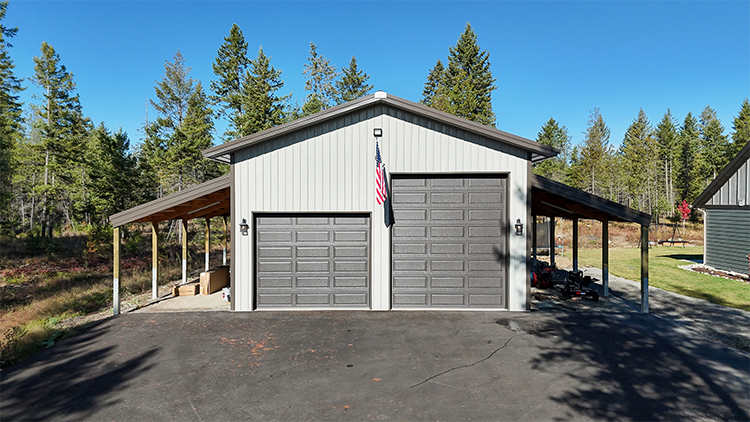
Some buyers try to capture material savings by purchasing a kit directly from a manufacturer and then hiring a contractor just to erect it. This sometimes works, but it comes with a real tradeoff.
When the kit and the erection are separate contracts, the accountability for fit and finish is split. If panels do not align or the drawings have an error, the kit supplier and the erection contractor can end up pointing at each other. Most experienced contractors prefer to source their own materials precisely because it keeps accountability unified.
It is also worth knowing that most established post-frame contractors, including SSA, do not take erection-only work on customer-supplied kits. If you want a contractor to build your building, the most reliable path is a single turnkey contract.
Who the Kit Approach Still Makes Sense For
There are buyers for whom the kit path genuinely works. The honest profile looks like this:
- You have hands-on construction experience and have managed similar projects before, not your first time running a crew.
- You already have reliable subcontractors for concrete and electrical and can coordinate them without a general contractor.
- You have a flexible timeline and are not under deadline pressure. DIY builds take longer, especially when weather, subcontractor schedules, and learning curves are involved.
- You want direct control over every material specification and are willing to do the sourcing research yourself.
If all four of those apply, the kit path can deliver real savings. If any of them are uncertain, the savings are likely smaller than they look on paper.
Who the Turnkey Approach Makes More Sense For
Most buyers end up better served by a turnkey contract. That is especially true when:
- You have a full-time job and cannot realistically manage a construction project over several weeks or months.
- This is your first pole barn project and you want a predictable outcome with a defined scope and timeline.
- You want a single contract, a single warranty, and one phone number to call if something is wrong.
- You are financing the project and need professional documentation and a defined scope for the lender.
- You are in an area with strict permit and inspection requirements and want a contractor who already knows the local process.
Questions Worth Asking Before You Decide
- Do I have the construction experience to manage this project, or will I be figuring things out as I go?
- Do I have reliable subs for concrete and electrical already lined up, or will I be finding them on the fly?
- What is my realistic timeline, and does a kit build fit within it?
- If something goes wrong during erection, what is my plan and what does it cost to fix?
- When I add up everything the kit does not include, what is my true all-in number compared to a turnkey quote?
If you are unsure about any of those answers, getting a turnkey quote alongside a kit price is worth the time. Our completed project data shows a 40×60 at around $120,000 median. If a kit path gets you to $110,000 after everything is accounted for and you are comfortable with the execution risk, that may be worth it. If the kit path realistically lands at $130,000 or more after honest accounting, the decision gets a lot easier.
Get a Turnkey Quote from Steel Structures America
Steel Structures America builds turnkey pole barns and metal buildings across Idaho, Washington, Oregon, Colorado, and Montana. We give buyers straightforward quotes with clear inclusions and exclusions, backed by real project experience across hundreds of completed builds in the region.
If you are weighing kit vs. turnkey and want a real number to compare against, give us a call. We are happy to walk through your project and put together a detailed quote.
Call (866) 839-0506 or submit a quote request online to get started.