
Converting a Pole Barn to a Barndominium: What It Takes
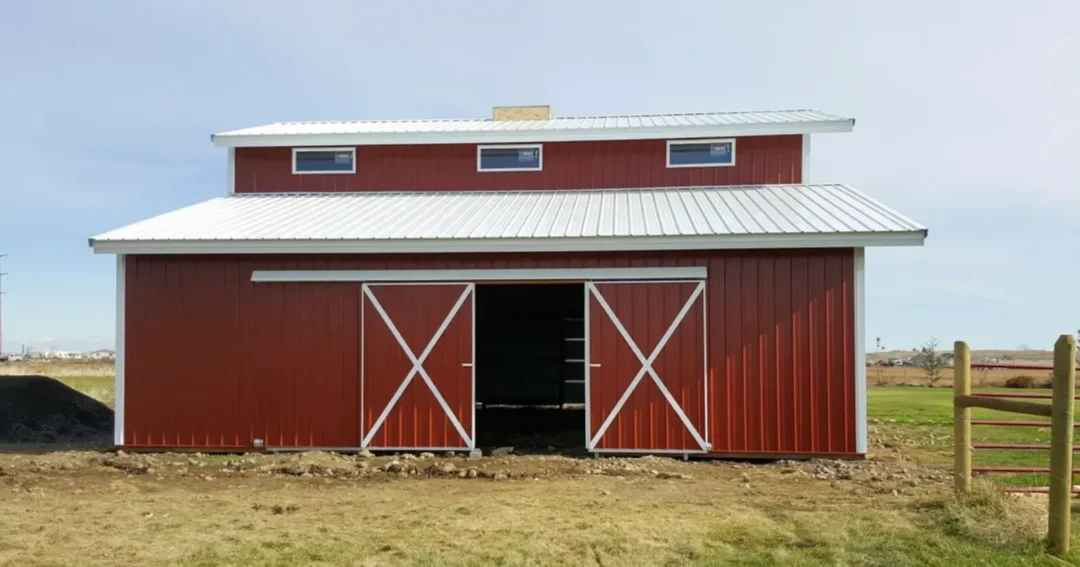
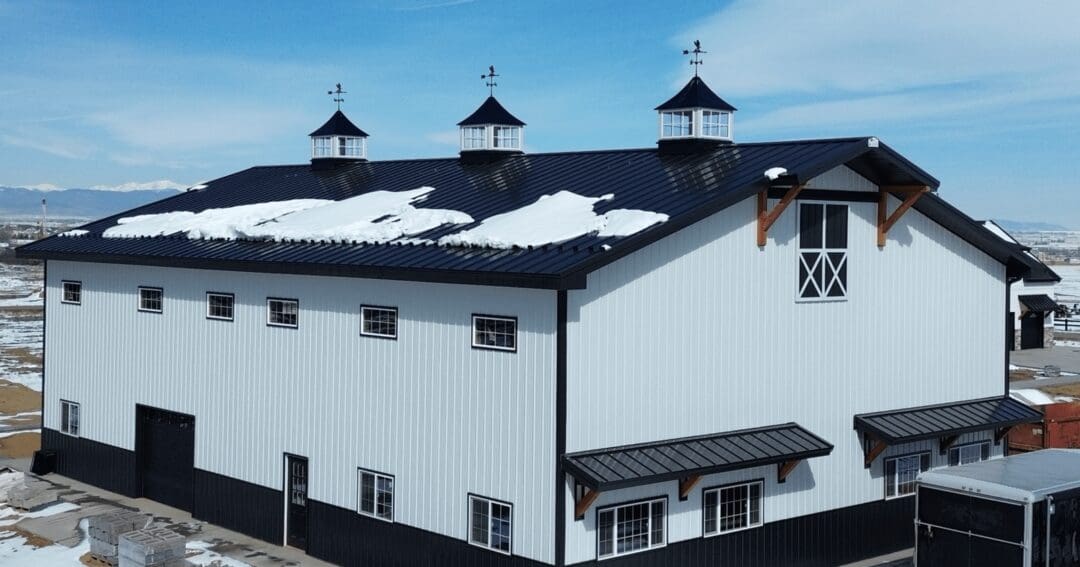
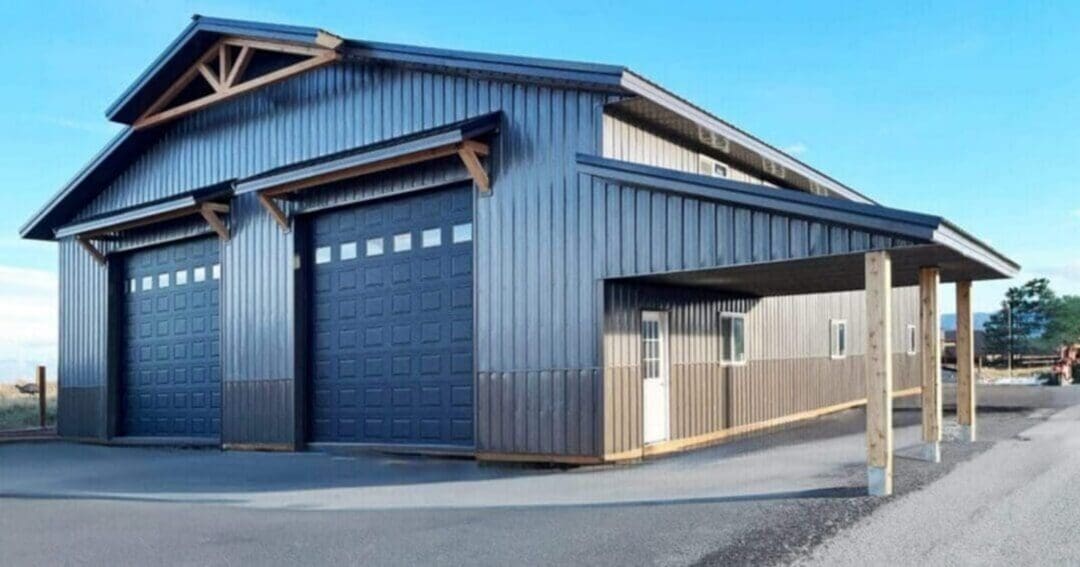
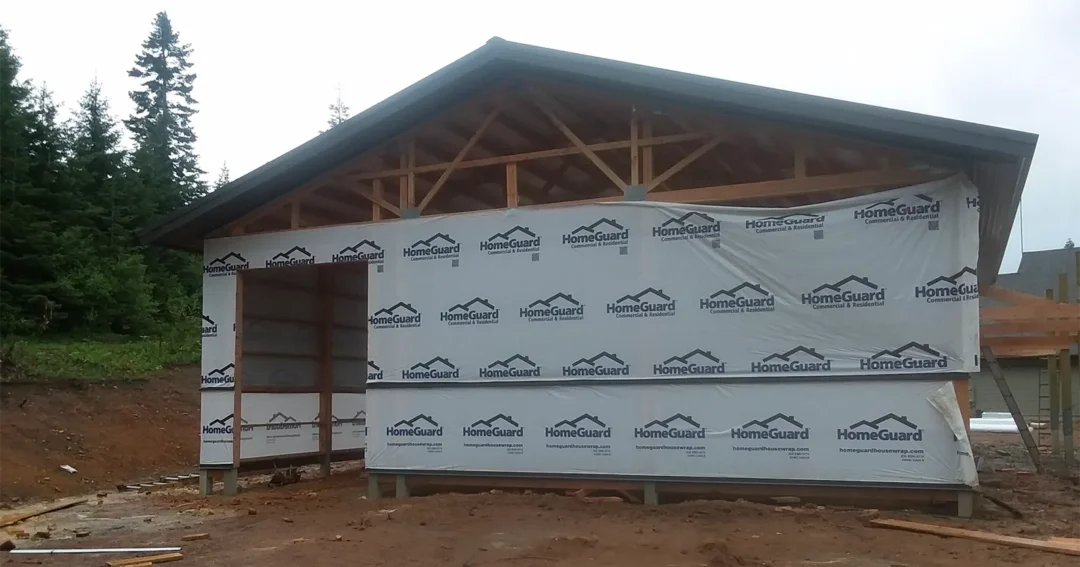
Converting a pole barn to a barndominium is one of the more common calls contractors like us get from rural property owners in the Pacific Northwest and Intermountain West. The scenario is usually some version of the same story: you bought acreage that came with a pole barn, or you built one years ago for equipment and storage, and now you are wondering whether that structure could become a home rather than just a barn.
The honest answer is that it depends heavily on what you are starting with. A well-built pole barn on a solid foundation with adequate square footage and reasonable column spacing can absolutely be converted into a comfortable, finished barndominium. A small, aging structure with rotted posts, inadequate footings, and 9-foot eave height is going to push you toward a teardown and rebuild instead. The goal of this article is to help you understand what a contractor actually looks at when evaluating a conversion, what the process involves when it is viable, and what it is likely to cost.
The First Question: Is the Existing Structure Worth Converting?
Before any design or planning work begins, a contractor needs to evaluate the existing structure. This assessment determines whether a conversion is the right path or whether building new on the same footprint makes more sense. The key things a contractor looks at:
Foundation and Post Condition
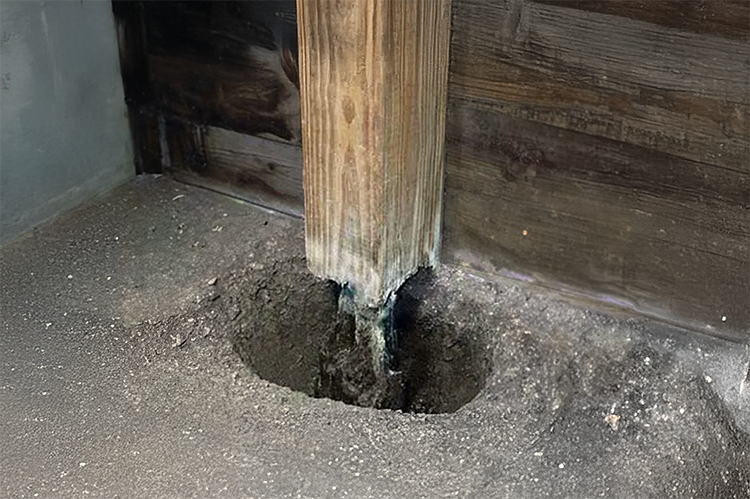
The most critical factor in any pole barn conversion is the condition of the embedded posts or foundation system. Posts that are in contact with soil and have been there for decades are candidates for rot, especially in wetter climates like western Idaho, Washington, and Oregon. If the posts are compromised, the building’s structural integrity is compromised, and no amount of interior finishing work changes that. A contractor will probe the post bases, check for soft spots, assess the footing depth relative to local frost requirements, and determine whether the existing foundation system meets the load requirements of a habitable structure.
This is one area where a pole barn built with Perma-Column precast concrete column bases has a significant advantage because the wood never contacts the soil, which eliminates the most common failure point in older post-frame structures.
Eave Height and Interior Clearance
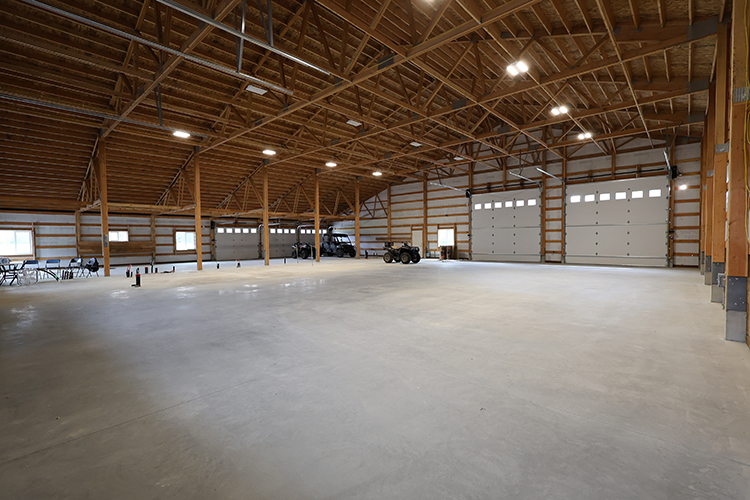
Residential living requires a minimum ceiling height of 7 feet in habitable rooms under most building codes. Many older pole barns were built with 10 to 12-foot eave heights, which leaves adequate room for interior framing, insulation, and a finished ceiling while maintaining code-compliant headroom. Buildings with 8 or 9-foot eaves become very tight once the ceiling is finished and can create code compliance problems. Taller eave heights are an asset in a conversion as they give you more flexibility in floor plan design and ceiling treatment options.
Column Spacing and Interior Layout
Pole barn columns are typically spaced 8, 10, or 12 feet on center. That spacing becomes the framework around which your interior walls are designed. Very tight column spacing can complicate open floor plan layouts. Very wide spacing may require additional structural consideration if you are adding interior load-bearing walls or a loft floor. A contractor will map the existing column grid against your intended floor plan to identify conflicts before design work begins.
Overall Size
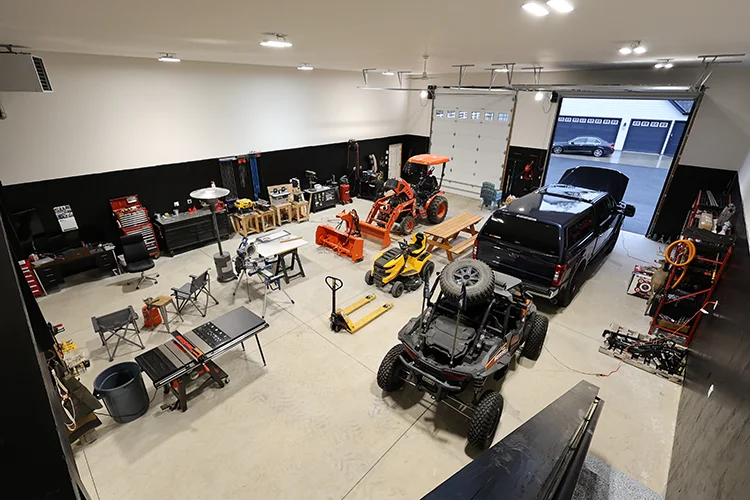
A 30×40 pole barn gives you 1,200 square feet, which is workable for a small one-bedroom conversion but tight for anything larger. A 40×60 gives you 2,400 square feet, which is a comfortable footprint for a two or three-bedroom barndominium. If the existing structure is too small for your living needs, your contractor will discuss whether an addition is feasible or whether a new build better serves your goals.
Conversion Viability at a Glance
| Factor | Good Candidate for Conversion | Rebuild May Make More Sense |
| Post / foundation condition | Posts solid, minimal rot, adequate footing depth | Significant post rot, shallow footings, settling or lean |
| Eave height | 12 ft or taller preferred, 10 ft workable | 8-9 ft eave – ceiling compliance becomes difficult |
| Building size | 40×60 or larger for comfortable living | Under 1,200 sq ft for full-time residential use |
| Column spacing | 10-12 ft spacing works well with typical floor plans | Irregular or very tight spacing complicates interior layout |
| Roof condition | Metal roofing in good condition, no leaks | Significant roof damage or deterioration |
| Existing slab | Concrete slab in good condition throughout | No slab, gravel floor, or badly cracked concrete |
| Overall structural integrity | Building is square, plumb, and structurally sound | Visible racking, settlement, or structural damage |
What a Pole Barn to Barndominium Conversion Actually Involves
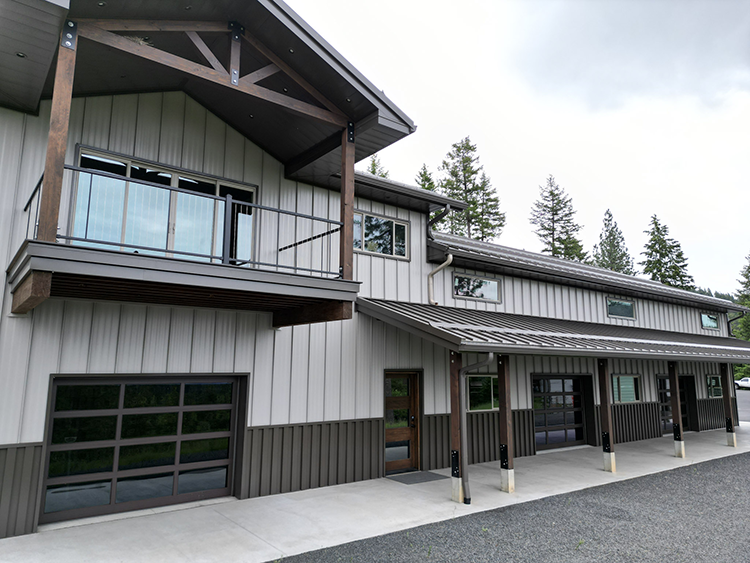
Assuming the structure passes the evaluation, here is a realistic picture of what the conversion process involves. The scope varies considerably depending on the starting condition of the building and the level of finish you want, but most conversions follow a similar sequence:
- Structural assessment and engineering. Before any permits are pulled or materials ordered, your contractor coordinates a structural engineering review of the existing building. The engineer confirms whether the existing post and beam system can carry the loads a residential occupancy requires, including any insulation, interior framing, ceiling loads, and potentially a loft floor, and specifies any required reinforcement.
- Converting a pole barn to a residential occupancy triggers a change-of-use permit in most jurisdictions. This means the building must meet current residential building code requirements for energy efficiency, egress, structural loads, and life safety. Your contractor handles the permit application and works with the local building department on any required plan review.
- Foundation and post remediation if needed. Any posts showing rot or inadequate footing depth are addressed before interior work begins. Depending on the severity, this may mean sistering new posts alongside compromised ones, installing Perma-Column or wet-set bracket systems to lift wood off the ground, or pouring new concrete footings around existing posts.
- Rough-in mechanical systems. Plumbing, electrical, and HVAC are roughed in before any wall or ceiling framing closes up the building cavities. In a pole barn conversion, this often means running new electrical service, installing plumbing supply and drain lines in a slab that was never designed for them (which may require saw-cutting and patching), and planning HVAC ductwork or mini-split locations around the existing column structure.
- A pole barn that was never insulated needs a complete insulation system designed from scratch. This is one of the most important decisions in the conversion. Spray foam applied directly to the metal roof deck and interior of the wall panels is the most effective and most expensive approach. Fiberglass batt between wall girts with a vapor barrier is less expensive but requires careful air sealing. Your contractor will walk you through the tradeoffs for your climate zone and budget.
- Interior framing. Stud walls are framed between or alongside the existing columns to create your room layout. These walls carry drywall, doors, and any interior finishes. The existing post and beam system carries the roof loads; the interior stud walls are primarily partition walls. In some layouts, interior load-bearing walls may be needed to support a loft or second floor.
- Finish work. Drywall, flooring, trim, cabinets, fixtures, doors, and windows are all installed during the finish phase. Windows and exterior doors may need to be cut into the existing siding and framed out, which is routine in a pole barn conversion. The finish level here is entirely up to you. A basic conversion can be done cleanly and simply, or you can finish it to the same standard as any custom home.
What Does a Pole Barn to Barndominium Conversion Cost?
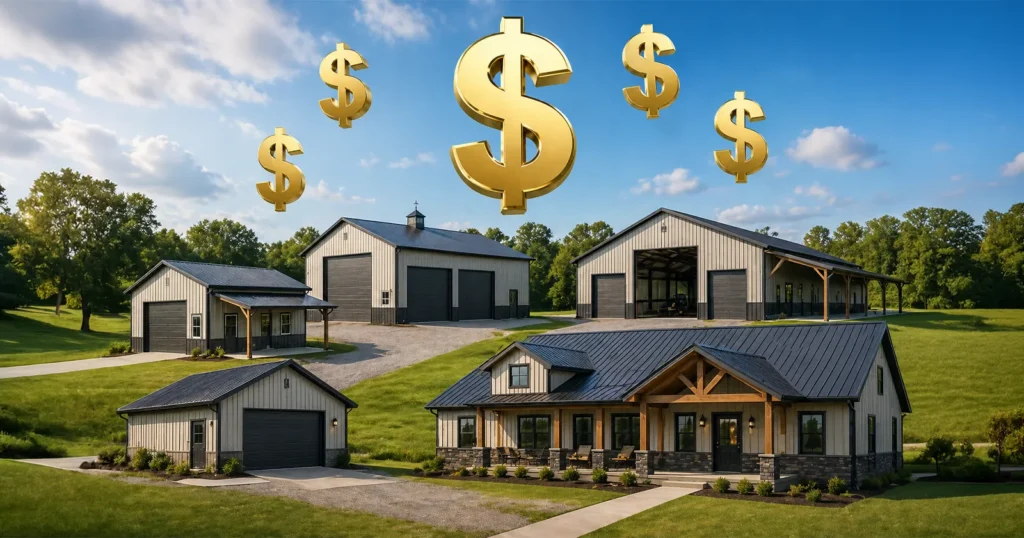
Conversion costs are genuinely difficult to estimate without seeing the existing structure, because the condition of the building drives a significant portion of the cost. That said, here are realistic ranges for the major scope categories in SSA’s service area:
| Scope Item | Typical Cost Range | Notes |
| Structural assessment and engineering | $2,500 – $6,000 | Required before permits can be pulled. Cost scales with building size and complexity. |
| Permitting and plan review | $1,500 – $5,000+ | Varies significantly by county. Change-of-use permits can be more involved than new construction. |
| Foundation / post remediation | $0 – $25,000+ | Depends entirely on existing post condition. Zero if posts are sound; significant if remediation is needed. |
| Spray foam insulation (full building) | $18,000 – $45,000 | For a 40×60 building. Closed-cell foam throughout roof deck and walls. Most effective approach. |
| Fiberglass batt insulation alternative | $8,000 – $18,000 | Less expensive but requires more careful air sealing. Appropriate in drier climates. |
| Plumbing rough-in | $12,000 – $25,000 | Includes slab saw-cut and patch for drain lines, supply lines, and fixture rough-ins. |
| Electrical service and rough-in | $10,000 – $22,000 | New panel, service upgrade if needed, wiring throughout. |
| HVAC (mini-split system) | $8,000 – $20,000 | Mini-splits are the most practical HVAC choice for pole barn conversions. |
| Interior framing and drywall | $15,000 – $35,000 | Depends on floor plan complexity and ceiling treatment. |
| Finish work (basic to mid-grade) | $30,000 – $75,000 | Flooring, cabinets, trim, doors, windows. Varies widely with selections. |
| Windows and exterior doors (new cuts) | $8,000 – $20,000 | Per window and door opening cut into existing siding and framing. |
Total conversion cost for a 40×60 pole barn to a two-bedroom barndominium typically falls between $120,000 and $250,000 depending on building condition, finish level, and region. That’s a wide range because two conversions that start with the same size building can have vastly different scopes depending on what remediation is needed and how the owner wants it finished.
For context, building a new 40×60 barndominium from the ground up in SSA’s service area typically costs $180,000 to $320,000 or more depending on finish level. If your existing pole barn is structurally sound and you can skip the foundation remediation and roof work, a conversion can represent genuine savings. If significant structural work is needed, the cost difference narrows and a rebuild may be the smarter path.
Conversion vs. New Build: How to Think About the Decision
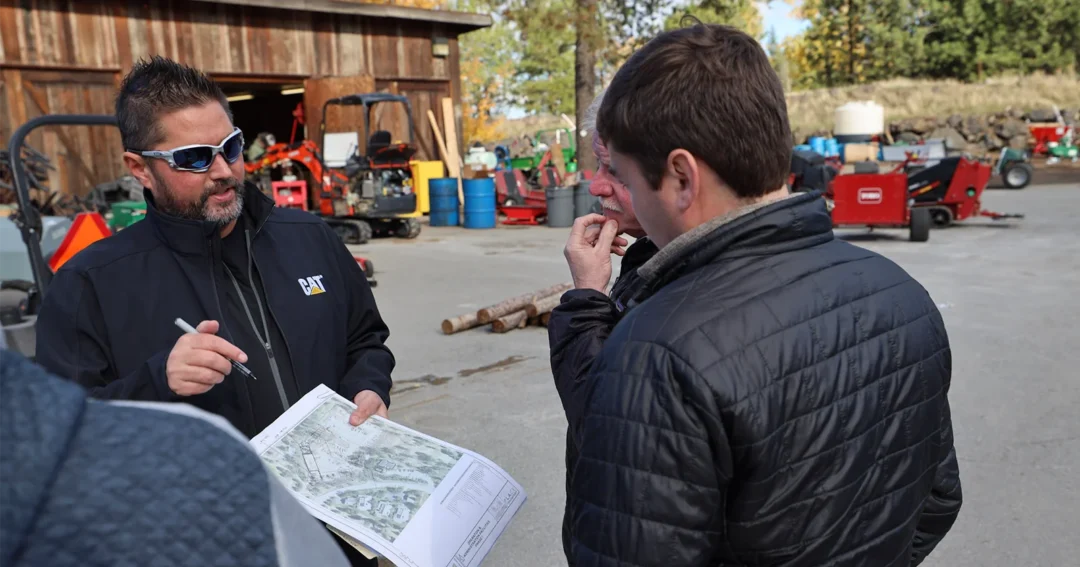
The right answer depends on three things: the condition of the existing structure, your budget, and your timeline. Here is a simple way to frame the decision:
- Convert if: the structure is sound, the footprint is adequate, the eave height gives you workable headroom, and you have a clear attachment to the existing building: whether for cost reasons, timeline reasons, or because it already sits perfectly on the property.
- Rebuild if: the foundation or posts are compromised, the building is too small for your needs, the eave height is inadequate, or the cost of remediation and conversion approaches the cost of a new build. Starting fresh also gives you full control over the floor plan, insulation system, and mechanical layout without having to work around an existing structure.
- Get a contractor assessment before deciding. The single most useful thing you can do before committing to either path is have a qualified contractor walk through the existing building with you. An experienced contractor can tell you within a few hours of evaluation whether the structure is a good conversion candidate and give you a ballpark on what each path would cost.
Frequently Asked Questions
Can I live in a pole barn while it is being converted?
Generally not during the active construction phase. The insulation, framing, electrical, and HVAC work creates conditions that are uncomfortable and potentially unsafe for occupancy. Some owners with large buildings partition off a finished section to live in while the rest is converted, but this adds complexity and cost to the project sequencing. Most conversions go faster and more smoothly when the building is unoccupied during construction.
Do I need a permit to convert a pole barn to a home?
Yes, in virtually all jurisdictions. Converting an agricultural structure to a residential occupancy is a change of use that requires a building permit and must meet current residential building code. This includes energy code compliance, which affects your insulation choices significantly. A contractor who tells you a residential conversion can be done without permits is one to avoid.
How long does a pole barn to barndominium conversion take?
A full conversion of a 40×60 pole barn to a finished two or three-bedroom barndominium typically takes four to eight months from permit approval to move-in, depending on contractor availability, material lead times, and the scope of remediation work needed. The permitting and engineering phase before construction can add two to four months to the overall timeline in counties with slower plan review processes.
What if my pole barn is too small to convert into a full home?
A few options: a smaller pole barn can work well as a single-bedroom or studio space, especially if you have a larger building planned on the property. Alternatively, your contractor can assess whether a structural addition to the existing building is feasible. Adding a lean-to or an end extension can meaningfully increase the livable footprint before interior conversion begins. The third option is rebuilding on the same site with a larger structure designed from the start for residential use.
Thinking About Converting Your Pole Barn?
Steel Structures America has experience with both new barndominium construction and pole barn conversion projects throughout Idaho, Washington, Oregon, Colorado, and Montana. If you have an existing pole barn and you are wondering whether it is a good conversion candidate, the best first step is a site visit and honest assessment. We will tell you what we see, what the process would involve, and what it is realistically going to cost whether it’s a conversion or a new build.
Call us at (866) 988-0072 or request a quote online.