
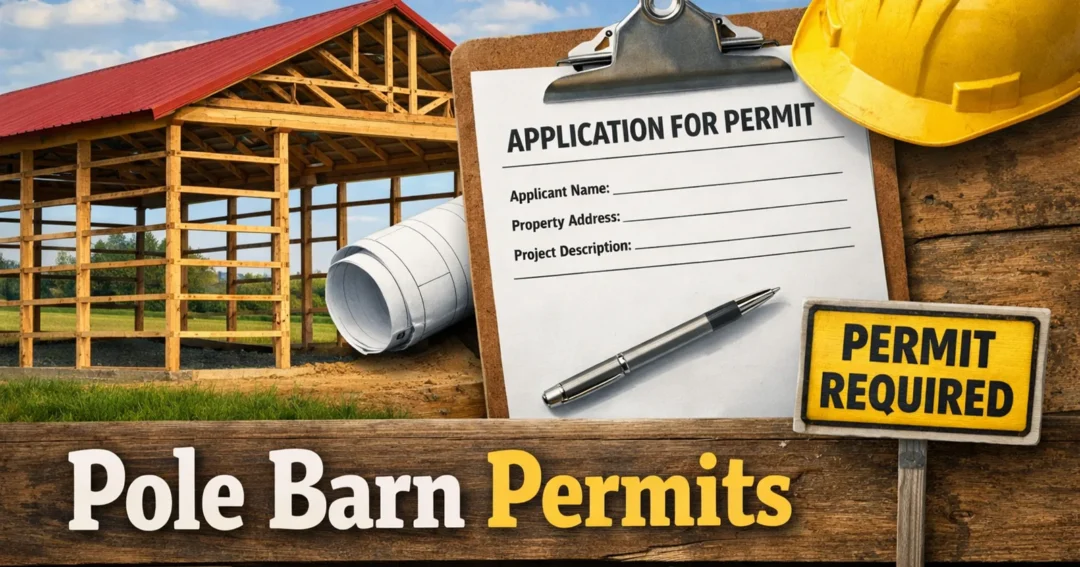
Pole Barn Permits and Building Codes: What You Need to Know
Pole barn permits are one of those topics that a lot of buyers try to skip over and then wish they hadn’t. If you’re planning to build a pole barn on your property, or even adding a lean-to addition, understanding the permit process before you break ground can save you from some genuinely painful and expensive problems down the road.
This guide covers everything you need to know: whether you need a permit, what local building codes typically require, how zoning and setback rules work, what permits generally cost, and what happens if you build without one. Every jurisdiction is different, so we will also walk you through how to get the right answers for your specific county and state.
If you want to learn more about the different aspect of building a pole barn, we have an article for you here.
Do You Need a Permit for a Pole Barn?
In most cases, yes. If you are building a new pole barn on your property, a building permit is required in the majority of counties and municipalities across the country. The specifics depend on your jurisdiction, but here are the most common rules:
- Most counties require a permit for any new structure over a certain square footage, often 200 square feet, though some set the threshold as low as 120 square feet or as high as 400 square feet.
- Any structure that will include electrical wiring, plumbing, or HVAC almost always requires a permit, regardless of size.
- Any structure intended for human occupancy, including barndominiums, shop homes (shouses), and buildings with living quarters, requires a permit in virtually every jurisdiction.
- Agricultural buildings on land that is classified as agricultural may qualify for exemptions or simplified permitting in some states, but this varies significantly by county.
The short answer: unless you have confirmed with your local building department that your specific project is exempt, assume you need a permit.
What About Agricultural Exemptions?
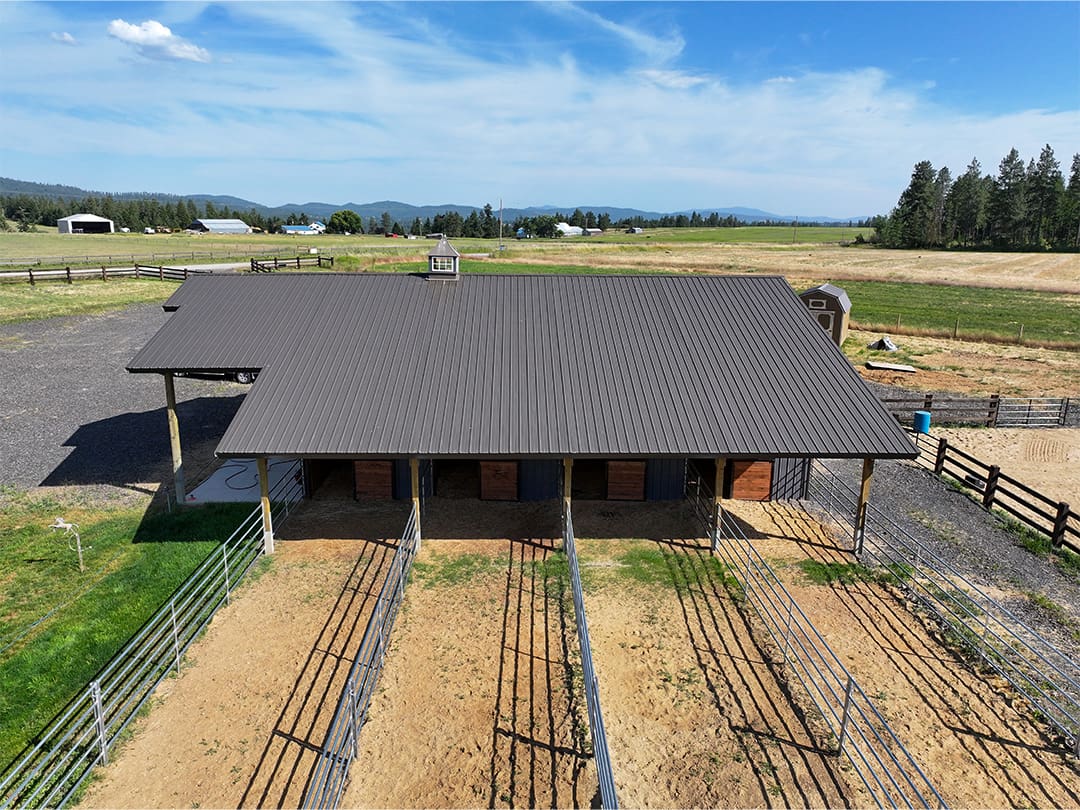
Some states and counties offer permit exemptions for agricultural buildings, meaning a basic hay barn or equipment storage building on farmland might not require a full building permit. These exemptions exist in parts of Idaho, Washington, Oregon, Montana, and Colorado, but the rules are not consistent.
Common conditions that affect whether an ag exemption applies include whether the land is actively classified as agricultural, the size of the building, whether the building will be used for livestock, storage only, or commercial operations, and whether any utilities will be installed. Even when an exemption technically applies, you may still need to comply with zoning setback requirements. Do not assume an exemption applies without verifying with your county.
What Pole Barn Building Codes Cover
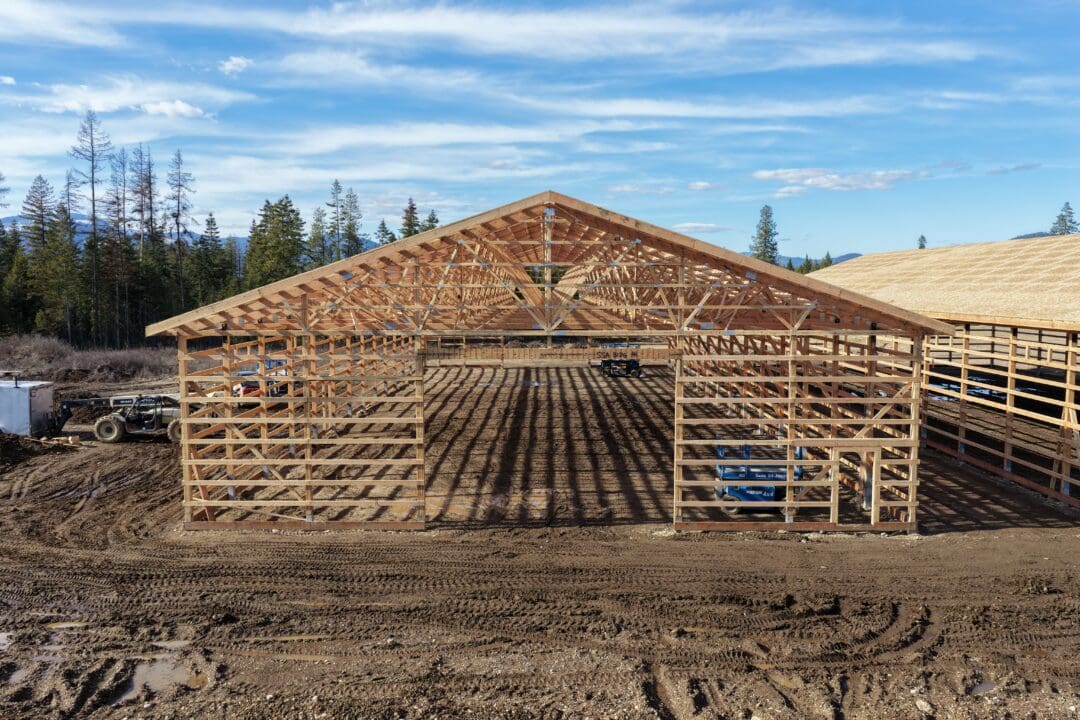
Building codes set the minimum standards for how a structure must be designed and built to be considered safe and structurally sound. For pole barns, the codes that typically apply include:
Structural Requirements
Your building needs to be designed to handle the structural loads specific to your location. This includes:
- Snow load: How much weight the roof must support from accumulated snow. This varies dramatically depending on where you are building. A shop in the Treasure Valley has very different snow load requirements than a barn in the mountains of western Montana.
- Wind load: How much lateral force from wind the building must withstand. Coastal and high-plains areas often have stricter wind load requirements.
- Seismic zone: In some parts of the Pacific Northwest and Mountain West, seismic requirements affect how the structure is engineered.
For larger buildings or any structure intended for occupancy, your building department will typically require engineered drawings stamped by a licensed structural engineer. The engineering calculations confirm that the post spacing, truss design, and connection details all meet the load requirements for your specific location.
Foundation and Post Embedment
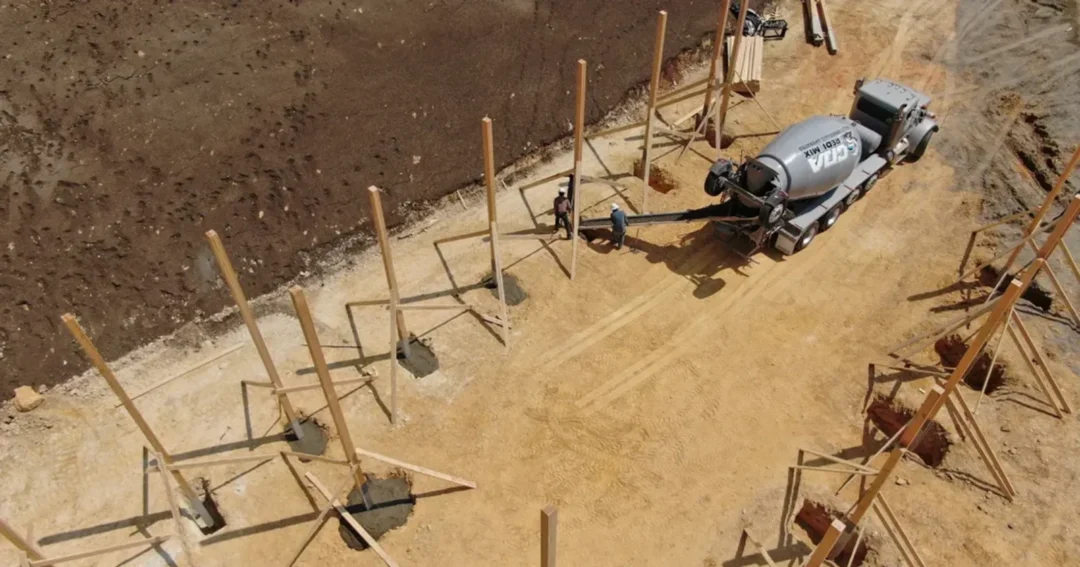
Codes specify how deep posts must be set in the ground, which is determined by the local frost depth and the height and size of the building. In colder climates, frost depths can exceed four feet, which affects how posts must be anchored. Post embedment requirements are one of the most commonly inspected items on a post-frame building permit.
Fire Separation and Occupancy Classification
If your pole barn will be used for occupancy (meaning someone will work, sleep, or live in it regularly) the building is classified differently than a simple storage structure. Occupancy classifications affect fire separation requirements, egress (how many and what kind of exits are required), and what kind of insulation and interior finishes are permitted.
Electrical, Plumbing, and Mechanical
Any electrical wiring, plumbing, or HVAC installed in the building must meet applicable codes and be inspected separately. In most jurisdictions, the electrical work must be done by a licensed electrician or pass inspection if done by the property owner. Plumbing and mechanical work typically require licensed contractors.
Zoning Rules and What They Mean for Your Build
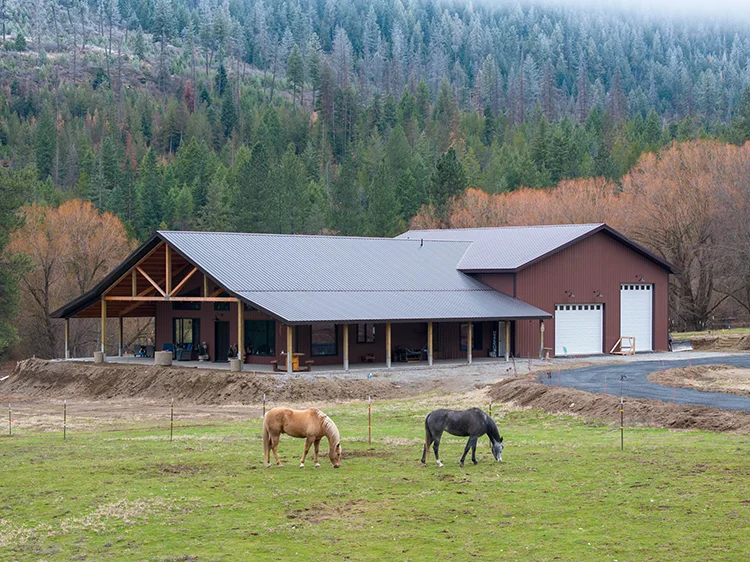
Zoning is separate from building codes, though both matter. Zoning laws control what types of structures can be built on a given parcel of land and where on the property they can be placed. Here are the key zoning concepts that affect pole barn projects:
Zoning Classification
Your land is zoned for a specific type of use: residential, agricultural, commercial, industrial, or a blend. What you are allowed to build depends on how your land is zoned. Agricultural zoning often allows more flexibility for outbuildings than residential zoning. Commercially zoned land has its own set of rules.
If you are building on land that is classified as residential but you want to use the building for a business or commercial purpose, you may need a conditional use permit or variance in addition to a standard building permit.
Setback Requirements
Setback requirements specify how far a structure must be located from property lines, roads, easements, and other structures. Pole barn setback rules vary widely, but here are some typical examples:
| Setback Type | Typical Requirement | Notes |
| Front setback | 25 to 50 feet from road right-of-way | Varies based on road type and zoning classification |
| Side setback | 5 to 20 feet from property line | Often reduced for agricultural land |
| Rear setback | 10 to 30 feet from rear property line | Varies by zoning and county |
| Separation from other structures | 5 to 10 feet minimum | May be required between buildings on the same parcel |
| Easements | Cannot build within easement boundaries | Utility and access easements must be checked before siting |
Always pull the legal description of your property and identify any easements before you site your building. Easements that aren’t visible on the ground can create real problems if you build over them.
Height Restrictions
Some zoning districts limit the maximum height of accessory structures. If you are planning a tall building, for example, one with a high peak to accommodate large equipment or a clear span loft, confirm that the height will be within the allowed limits for your zone before you finalize the design.
Number of Structures Allowed
Some residential zoning classifications limit how many accessory structures are allowed on a single parcel. If you already have a detached garage or shed on the property, check whether adding a pole barn would exceed the permitted number of outbuildings.
How Much Does a Pole Barn Permit Cost?
Permit costs vary significantly by county and state and are typically based on the size and value of the structure being built. Here is a general range to set expectations:
| Building Size | Typical Permit Cost Range | Notes |
| Small building (under 1,000 sq ft) | $150 to $500 | Basic storage or garage structures |
| Mid-size building (1,000 to 3,000 sq ft) | $400 to $1,200 | Shops, garages, agricultural buildings |
| Large building (3,000 to 6,000 sq ft) | $800 to $2,500 | Commercial, contractor shops, large ag |
| Barndominium or occupied structure | $1,000 to $4,000+ | Additional fees for occupancy, plumbing, electrical |
These figures are rough estimates. Some counties charge a flat fee; others charge per square foot of the structure or as a percentage of the estimated construction value. Plan for permit costs as a line item in your project budget and confirm the actual fee schedule with your local building department early in the planning process.
The Pole Barn Permit Process: What to Expect
While every county runs its own process, here is the general sequence you can expect:
- Confirm zoning and setbacks. Before you design anything, pull your property’s zoning classification and confirm the setback requirements. This determines where on your property you can place the building.
- Get your building designed and engineered. For most pole barns of meaningful size, you will need to submit structural drawings. Your building contractor or kit supplier typically provides these, or you can hire a local engineer.
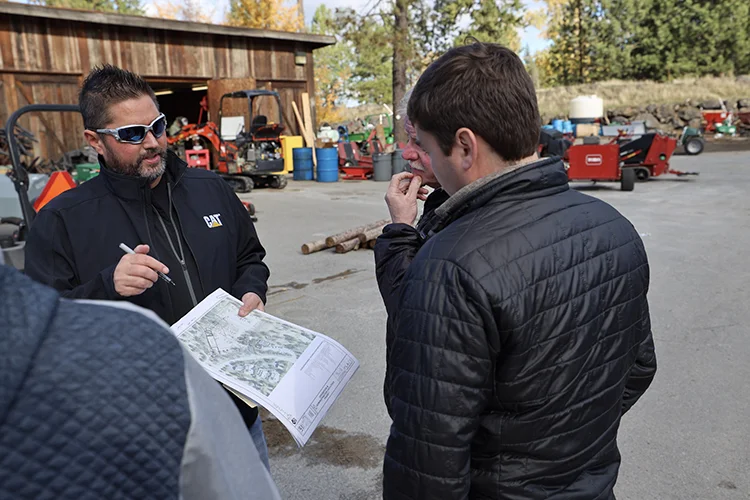
- Submit your permit application. Applications are typically submitted to your county building department or planning and zoning office. You will submit your site plan (showing where the building is located on the property), your structural drawings, and any other required documentation.
- Wait for review and approval. Review times vary from a few days to several weeks depending on how busy your county is and whether the application is complete. Incomplete applications slow things down significantly.
- Schedule inspections. Inspections are typically required at specific stages of construction: foundation/post setting, framing, rough electrical and plumbing (if applicable), and final inspection. Your permit will spell out what inspections are required and when to call them in.
- Receive your certificate of occupancy (if applicable). For buildings that will be occupied, a final certificate of occupancy is issued once all inspections are passed. This document matters if you ever sell the property or need to insure the structure.
What Happens If You Build Without a Permit?
This is worth being direct about. Building without a required permit is a real risk, and the consequences can be significant:
- You may be required to tear down or significantly modify the structure at your own expense.
- You may face fines that exceed the original cost of the permit by a large margin.
- The building may create title issues that complicate selling or refinancing the property.
- An unpermitted structure may not be insurable, or an insurance claim related to it may be denied.
- If the unpermitted structure causes injury, your liability exposure increases substantially.
The most common reason buyers skip permits is to save time or avoid scrutiny of a project that might not fully comply. In most cases, the risk is not worth it. If you have concerns about whether your project will pass permitting, the best move is to work with a contractor who knows your local codes and can help you design a building that will.
How to Get the Right Answers for Your County
Because permit requirements, zoning rules, and building codes vary so much from one jurisdiction to the next, the most reliable source of information is always your local county building department or planning and zoning office. Here is how to approach that conversation:
- Have your parcel number or legal description ready so they can quickly look up your zoning classification.
- Ask specifically about setback requirements for accessory structures on your zoning type.
- Ask whether agricultural building exemptions apply in your county and what the conditions are.
- Ask what documentation is required for permit submission, including whether engineered drawings are needed for your building size.
- Ask about the current permit review timeline so you can plan your construction schedule accordingly.
If you are working with a contractor, a good builder in your area will already know the local rules and can often help pull permits as part of the project.
A Note on the States SSA Serves
Steel Structures America builds in Idaho, Washington, Oregon, Colorado, and Montana. Each of these states has its own permitting framework, and county-level requirements within each state vary further. Here are a few general notes:
- Idaho: Building permit requirements are administered at the county level. Agricultural exemptions exist in many rural counties but are not universal. Frost depth requirements vary across the state.
- Washington: Washington State Building Code is enforced at the local level. Many counties have adopted the International Building Code (IBC) for commercial structures and the International Residential Code (IRC) for residential. Eastern Washington counties often have more streamlined permit processes than western Washington.
- Oregon: Oregon has a statewide building code program. Agricultural structures on land classified as Exclusive Farm Use (EFU) may qualify for exemptions, but conditions apply and vary by county.
- Colorado: Colorado leaves significant building code authority to counties and municipalities. Some rural Colorado counties have minimal permit requirements; others are quite thorough. Front Range counties have more robust processes due to population density.
- Montana: Montana is one of the more permissive states for rural building. Many rural counties have limited permit requirements, but this should always be confirmed rather than assumed.
Our team works in these markets every day and can help you understand what to expect in your specific county. We do not want you to be surprised at the permit stage after you have already planned your project.