
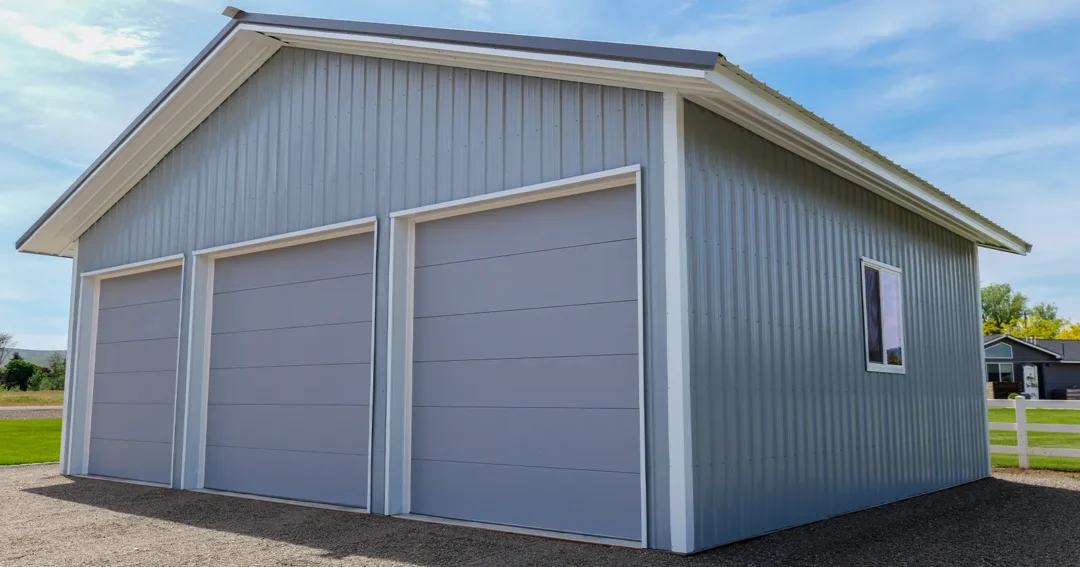
Pole Barn Financing: Everything You Need to Know
Pole barn financing is more accessible than most people expect, and if you have a clear plan, the right lender, and a solid credit profile, you can often have your building funded well before the first post goes in the ground.
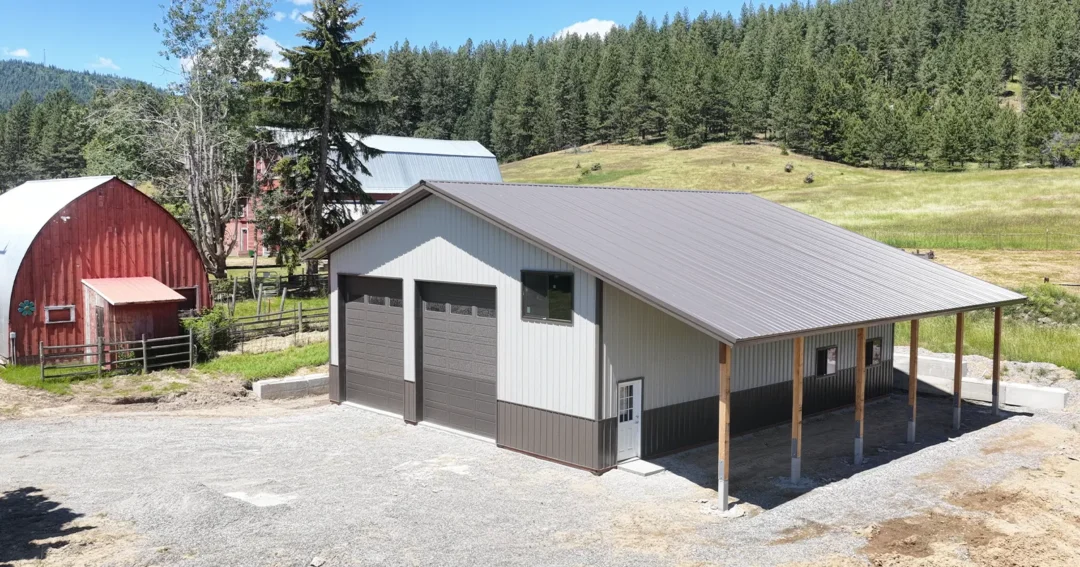
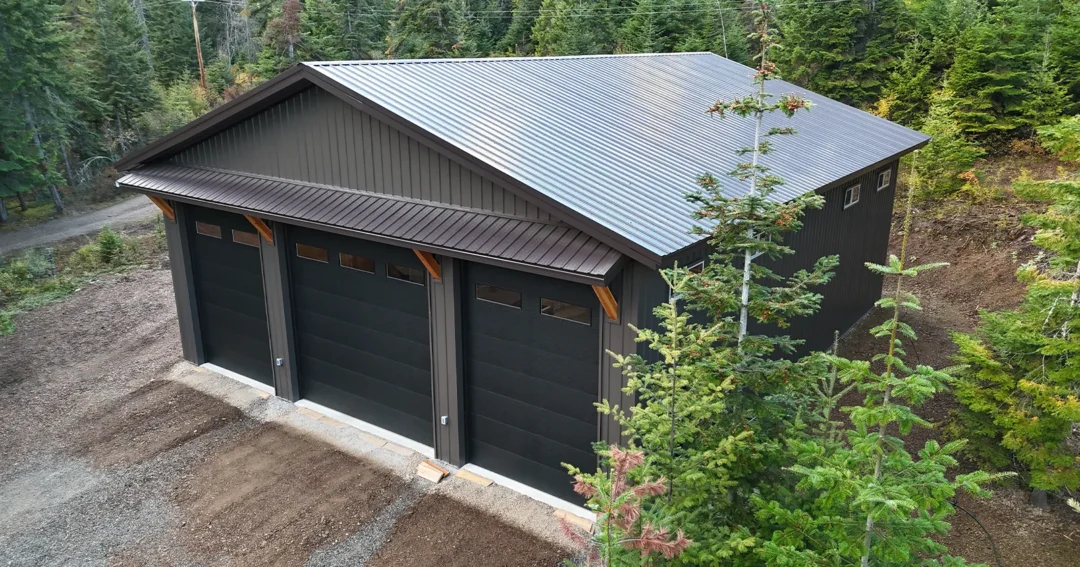
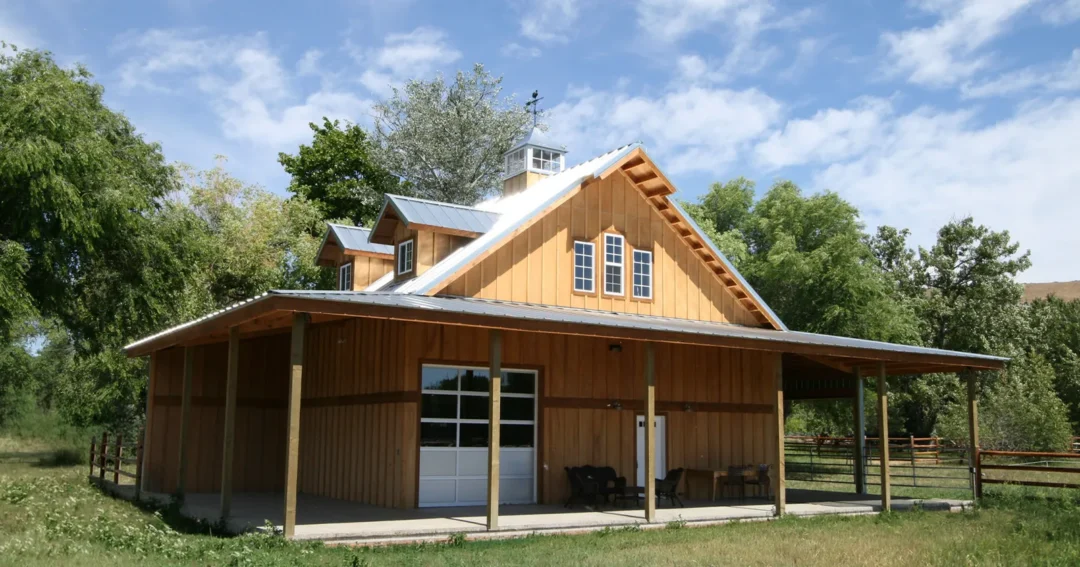
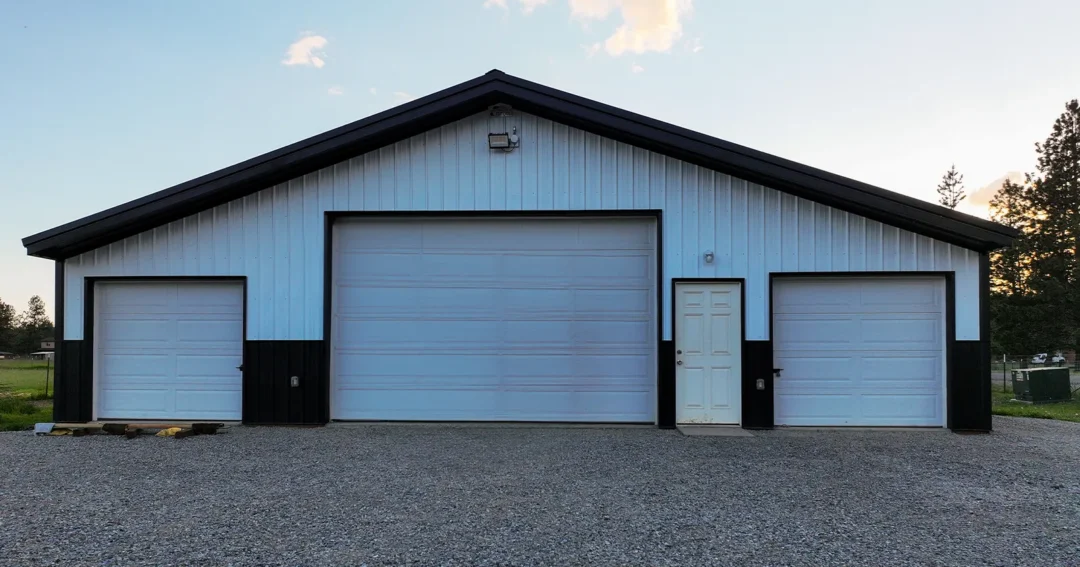
Whether you are building a 30×40 equipment garage, a large agricultural storage building, or a full-scale shop with living quarters, the financing process follows a similar path. This guide walks you through the loan types that work best for pole barns, what lenders look at when they review your application, the real cost ranges you should be planning around, and the steps that will help you move from idea to approval as smoothly as possible.
Why Pole Barn Financing Is Different from a Standard Home Loan
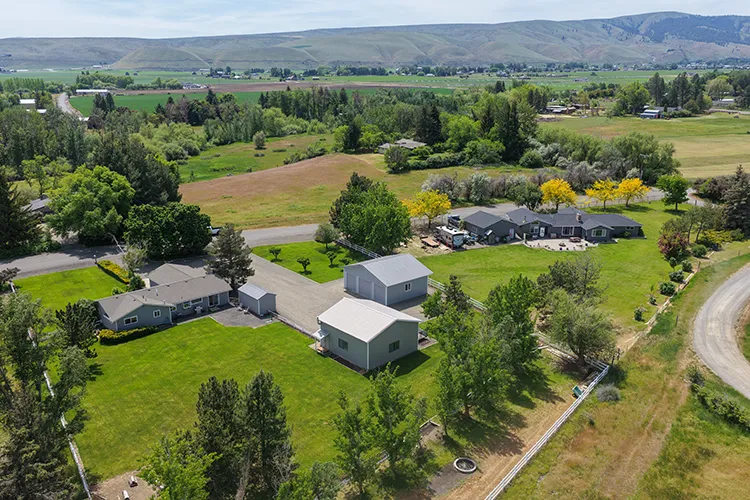
A pole barn is a versatile structure, and that versatility can actually make financing slightly more complicated than a straightforward home purchase. Lenders want to understand what the building is, how it will be used, and how it connects to your property before they decide how to structure the loan.
Here is the short version of what makes pole barn loans work differently:
- Pole barns are not real estate on their own. Unless the loan is secured against your land or existing home, lenders treat the building itself as personal property, which affects the products available to you.
- Mixed-use buildings require clear documentation. If you are building a shop with living quarters, a shouse, or a barndominium, lenders may need additional information about the residential component before approving certain loan types.
- Appraised value can be tricky. Some rural properties with outbuildings are harder to appraise using standard comparable sales, which is why lenders sometimes require specific documentation from the builder.
- Lenders vary a lot. Not every bank has experience with post-frame construction. Working with a lender who has financed pole barns before will make the process significantly faster and less stressful.
The good news is that once you understand these nuances, the financing process is very manageable. Thousands of pole barn builds are financed every year across Idaho, Washington, Oregon, Colorado, Montana, and the surrounding region.
Your Main Pole Barn Loan Options
There are five primary ways people finance a pole barn. Each has its own eligibility requirements, interest rate range, and ideal use case. Here is an overview of all five, followed by guidance on how to choose between them.
1. Construction-to-Permanent Loans
A construction-to-permanent loan, sometimes called a construction loan, is specifically designed to fund a build. The lender releases funds in stages as the construction progresses, and once the building is complete, the loan typically converts to a standard long-term mortgage or real estate loan.
This is usually the best option when you are building a larger structure, when the pole barn is on land you own, and when the project cost is significant enough to justify the more involved application process.
Typical terms: 15 to 30 years. Interest rates are generally competitive with standard mortgages, though they will vary based on your lender, credit profile, and whether the building qualifies as a residential or commercial structure.
The main requirement for a construction loan is that the lender will want a complete project scope, a licensed contractor, and a clear cost breakdown before approval. SSA provides all of this documentation as part of the quoting process.
Learn more in our article on pole barn construction loans vs/ personal loans.
2. Home Equity Loans and HELOCs
If you already own your home and have built up equity, a home equity loan or home equity line of credit (HELOC) is one of the most straightforward ways to finance a pole barn. You are borrowing against the value of your existing home, so the lender is not trying to figure out how to appraise your new outbuilding.
Home equity loans give you a lump sum at a fixed rate. A HELOC works more like a credit card with a draw period, which can be useful if your project has phased expenses.
This approach works well for builds in the $50,000 to $200,000 range, which covers a large share of residential pole barn and shop projects. If you have significant equity and good credit, this can be one of the fastest paths to funding.
3. Personal Loans
Personal loans are unsecured, which means they do not require your land or home as collateral. That makes them faster to obtain and easier to qualify for in some cases, but they come with shorter repayment terms and higher interest rates.
For smaller projects in the $20,000 to $75,000 range, a personal loan can be a practical option, especially if you want to avoid tying up your home equity or going through the longer construction loan process.
The main limitation of a personal loan is that monthly payments will be higher than a secured loan of the same amount, because repayment terms typically max out around five to seven years. If cash flow is tight, a longer-term secured loan may be a better fit.
4. USDA Farm Loans and Agricultural Programs
If you are building a pole barn for agricultural use, livestock, hay storage, or farm equipment storage, you may qualify for USDA loan programs designed specifically for rural property owners. The Farm Service Agency (FSA) and the USDA Rural Development program both offer financing products that can apply to agricultural buildings.
These programs are particularly worth exploring if you are in Idaho, Montana, or a rural area of Colorado, Oregon, or Washington, as these states have active USDA lending activity. Interest rates under USDA programs can be very competitive, and terms are often longer than conventional personal loans.
The application process is more involved, and not every building qualifies, but if your project is agricultural in nature, it is worth a conversation with your local USDA Farm Service Agency office.
5. Manufacturer and Builder Financing
Some post-frame building companies offer financing through partnerships with specialty lenders. This can be a convenient path if you want to handle the build and the financing through fewer parties, though the rates and terms will vary depending on the program.
Ask any builder you are considering whether they offer or refer financing. Even if you ultimately use a different lender, knowing what is available helps you compare options.
How Many Years Can You Finance a Pole Barn?
Loan term length depends entirely on the type of financing you use and how the building is classified.
| Loan Type | Typical Term Length |
| Construction-to-permanent loan (real property) | 15 to 30 years |
| Home equity loan | 5 to 20 years |
| HELOC | 10 to 20 year draw + repayment period |
| Personal loan | 2 to 7 years |
| USDA agricultural loan | 7 to 40 years depending on program |
| Commercial real estate loan | 10 to 25 years |
In general, the more the building is tied to real property and the more it resembles a permanent structure, the longer the available loan term. A simple equipment shed financed with a personal loan might have a five-year term. A large shop or a barndominium financed through a construction loan on owned land could be a 30-year mortgage.
What Do Lenders Look At When You Apply?
Understanding how lenders evaluate a pole barn financing application helps you prepare and avoid surprises. Here are the main factors that come into play.
Your Credit Score
Credit score requirements vary by loan type. Construction loans and home equity products typically want a score of 680 or above, though some lenders will work with scores in the 640 to 680 range with compensating factors. Personal loans are more flexible and can sometimes be obtained with scores below 640, though the interest rate will reflect the higher risk. If your credit is below where you would like it to be, our article on pole barn financing with bad credit covers your options in detail.
Debt-to-Income Ratio
Lenders want to see that your existing debt obligations plus your new loan payment do not exceed a certain percentage of your gross monthly income. Most conventional lenders use a maximum of 43 to 45 percent. If you are close to that limit, reducing existing debt before applying will strengthen your position.
Property Ownership and Collateral
For secured loans, the lender needs to understand the property situation. Do you own the land outright or is it financed? Is the pole barn going on the same parcel as your primary residence? Is it on raw land? The answers shape what loan products are available. Owning your land free and clear is a significant advantage in the financing process.
Project Scope and Documentation
Lenders for construction loans will ask for a project scope, a cost breakdown, and usually a contractor proposal or contract. Having a detailed quote from your builder before you apply speeds up the process considerably. SSA provides complete project documentation including specifications, materials, and cost summaries.
Building Use and Classification
A pure storage building is classified differently than a building with living space. If your pole barn includes a finished apartment, living quarters, or residential space of any kind, communicate that clearly to your lender from the start. Some lenders require that the residential component meet specific code and inspection standards.
How Much Does a Pole Barn Cost to Finance?
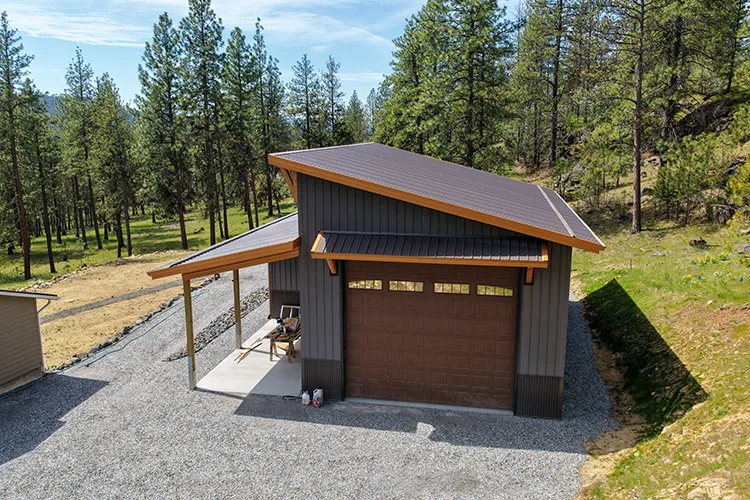
Before you can get a loan, you need a realistic project budget. Here are general cost ranges for common pole barn types to help you frame your financing conversation. These are turnkey ranges for the Northwest and Mountain West region.
| Building Type | Typical Turnkey Range |
| 30×40 basic equipment storage | $35,000 to $60,000 |
| 40×60 residential garage/shop | $65,000 to $120,000 |
| 50×80 large hobby shop or contractor shop | $110,000 to $190,000 |
| 40×60 barn with living quarters | $120,000 to $200,000+ |
| Barndominium (1,500 to 2,500 sq ft) | $180,000 to $350,000+ |
| Large agricultural building (80×120+) | $150,000 to $300,000+ |
Costs vary based on site conditions, finish level, region, materials, and current steel pricing. Getting a formal quote from your builder before approaching a lender gives you the most accurate number to work from. For a deeper look at what drives pole barn pricing, see our guide on what affects pole barn costs.
How to Prepare for a Pole Barn Loan Application
A little preparation before you apply can make a real difference in how smoothly the process goes. Here is a practical checklist.
- Pull your credit report and check for errors. Dispute anything that should not be there before you apply.
- Get a detailed quote from your builder. Lenders want specifics, not ballpark numbers.
- Gather your financial documents. Pay stubs, tax returns for the last two years, bank statements, and a list of existing debts are standard requirements.
- Know your property details. Have your parcel number, current assessed value, any existing liens, and ownership documentation ready.
- Calculate your debt-to-income ratio ahead of time. Add up all monthly debt payments (mortgage, car loans, credit cards) and divide by your gross monthly income. If that number is above 40 percent, pay down some debt before applying.
- Talk to at least two lenders. Rates and terms vary more than most people expect, especially for rural and agricultural properties.
- Ask your builder if they have lender relationships. Contractors who build pole barns regularly often have working relationships with lenders who understand the product.
Choosing the Best Financing Path for Your Situation
There is no single best way to finance a pole barn. The right answer depends on your project size, your credit profile, whether you own land, and how quickly you want to move. Here is a simple framework to help you think through it.
| Your Situation | Best Starting Point |
| You own your home and have significant equity | Home equity loan or HELOC |
| You own your land free and clear | Construction loan secured by land |
| You need funding quickly for a smaller project | Personal loan or home equity loan |
| Your project is agricultural and on rural land | USDA agricultural loan program |
| You are building a barndominium or shouse | Construction-to-permanent loan |
| Your credit is below 640 | See our guide on pole barn financing with bad credit |
For a deeper comparison of construction loans, personal loans, and home equity products side by side, see our article on pole barn loan types. It covers the specific products, typical rates, and which type tends to work best for different project sizes and timelines.
Does a Pole Barn Add Value to Your Property?
One question that comes up often in the financing conversation is whether the building will increase the value of the property. The short answer is: usually yes, though the amount depends heavily on your local market and how the building is used and finished.
A well-built pole barn or metal building on rural or semi-rural property generally adds real market value, particularly for buyers who need equipment storage, agricultural space, or a workshop.
Frequently Asked Questions About Pole Barn Financing
Can I finance a pole barn with no money down?
It is possible in some scenarios. If you have significant home equity, a HELOC technically requires no upfront cash. USDA programs sometimes allow low or no down payment for qualified agricultural borrowers. Most construction loans, however, will require some down payment, typically 10 to 20 percent.
Can you get a mortgage on a pole barn?
You can get a mortgage-style construction loan on a pole barn if it is on real property you own and meets the lender’s requirements. A pole barn with living quarters or a residential component may also qualify for a residential mortgage product, depending on how it is constructed and permitted.
What credit score do I need for a pole barn loan?
For the best rates and most options, you want a score of 680 or above. Scores in the 640 to 679 range are workable for some products. Below 640 limits your options but does not eliminate them. See our guide on pole barn financing with bad credit for more.
How long does it take to get approved?
Personal loans can close in a few days to a week. Home equity loans and HELOCs typically take two to four weeks. Construction loans generally take four to eight weeks from application to closing, because they require more documentation and may involve an appraisal.
Can I finance a pole barn on land I do not own yet?
Yes, some lenders offer land and construction combination loans that finance both the land purchase and the building project together. This is more common with USDA rural development products and certain agricultural lenders. Expect a higher down payment and a more involved application process.
Does SSA help with financing?
SSA help facilitate financing on a variety of project., We provide all the documentation lenders need, including detailed project specs, cost breakdowns, and contractor credentials. We are happy to recommend lenders we have worked with in Idaho, Washington, Oregon, Colorado, and Montana if you would like a starting point.
Ready to Get Started?
The best time to start the financing conversation is before you have everything figured out. Most lenders are happy to do a soft pre-qualification that does not affect your credit score, and getting a rough approval range in hand helps you scope the project more accurately.
When you are ready to get a detailed build quote to bring to your lender, reach out to the SSA team. We will walk you through the options available for your land, your intended use, and your budget, and make sure you have everything you need to move forward with confidence.
Call us at (866) 421-0412 or request a quote online to get started.