
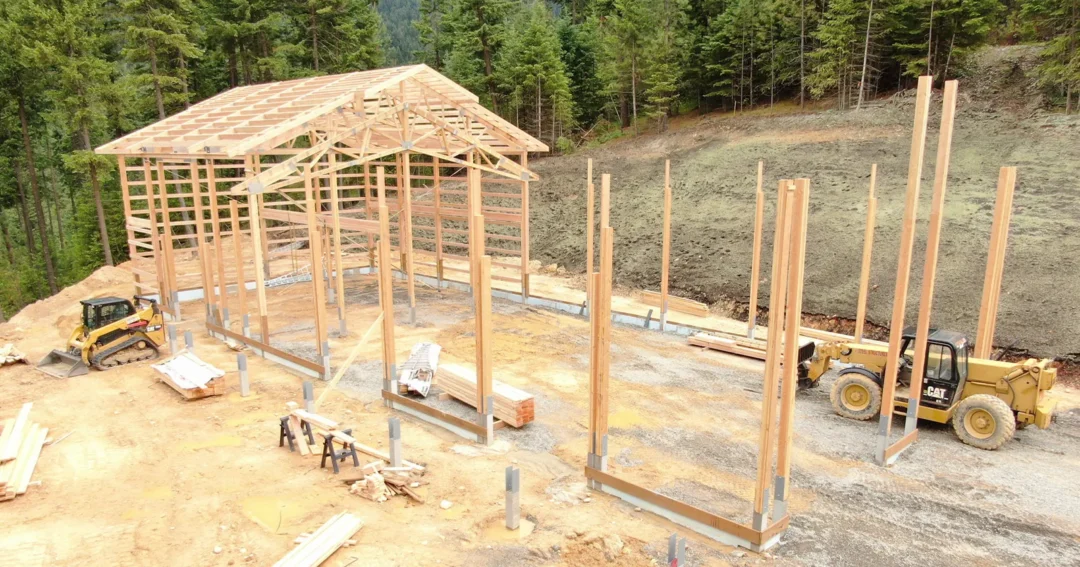
Pole Barn Site Preparation: Grading, Drainage, and What to Do Before Construction
Site prep for a pole barn is one of the most underestimated parts of the entire project. Buyers spend a lot of time researching building sizes, post systems, and materials, and then are surprised when site work turns out to be a significant part of the budget and schedule.
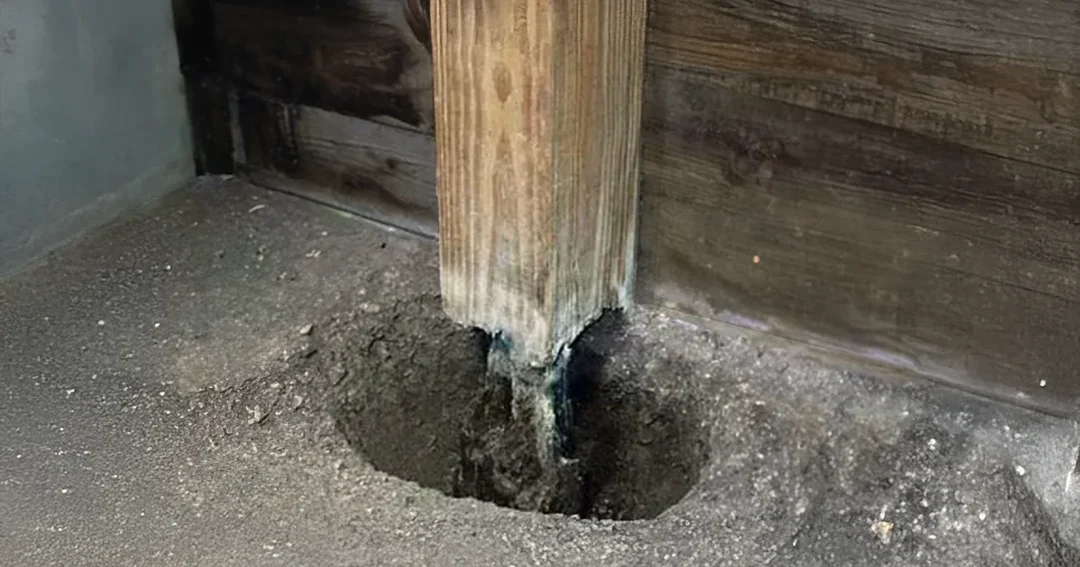
The reason it matters so much is simple: no matter how well a pole barn is built, it will perform only as well as the ground underneath it. Poor drainage leads to post rot, frost heave, and settling. Poorly compacted fill creates uneven floors. A site that was not properly cleared can cause problems for years.
This guide covers everything that goes into pole barn site preparation including what the work involves, why each step matters, what different sites require, and what this kind of work typically costs.
What Site Preparation for a Pole Barn Actually Involves
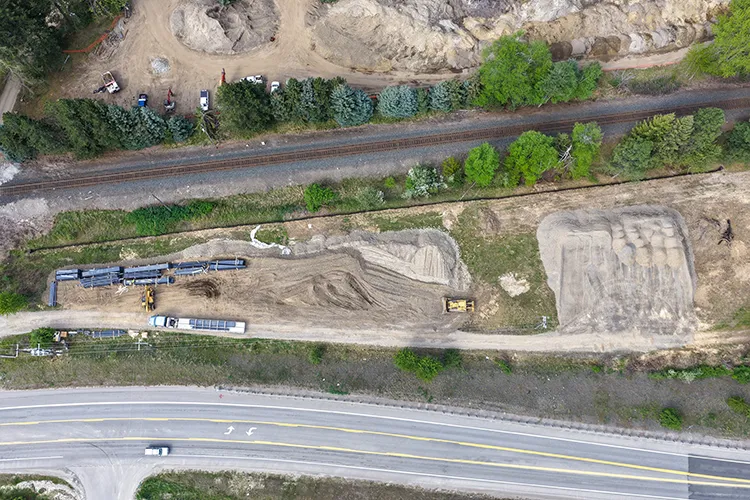
Site prep is a sequence of related work that gets your building location ready for construction. The specific scope varies significantly based on the existing conditions of your property. A relatively flat, well-drained site in good soil requires far less work than a sloped, wooded lot with clay soil and drainage challenges.
Here are the major components of pole barn site prep:
1. Land Clearing
Before any grading or construction work can begin, the building footprint and its surrounding area need to be cleared of anything that does not belong there. This typically includes:
- Trees and stumps within the building footprint and in the path of heavy equipment
- Brush, shrubs, and overgrowth that would interfere with construction or drainage
- Existing structures, debris, or old building materials on the site
- Topsoil and organic material, which compresses and settles under load and is not a suitable base for a building
Removing stumps deserves particular attention. A stump left in the ground under or near a building will eventually rot and create a void, which causes settling and can create drainage channels under a slab. Any stump within the building footprint or in the area that will be filled and compacted should be ground out or removed.
Topsoil is also removed from the building pad area during clearing. Organic material in topsoil does not compact well and will compress under the weight of a building over time. The depth of topsoil removal varies by site, but stripping 6 to 12 inches of organic material from the building pad area is common.
2. Grading
Grading is the process of shaping the ground surface to achieve the right elevation and slope for the building. It serves two purposes: creating a level pad for the building, and establishing drainage patterns that move water away from the structure.
Good grading for a pole barn creates a final grade that slopes away from the building on all sides at approximately 2 to 4 percent, which is about 2 to 4 inches of drop per 10 horizontal feet. This slope prevents water from pooling around the foundation, which is one of the primary causes of accelerated post rot and frost heave problems.
What Grading Involves on Different Site Types
| Site Type | Typical Grading Work | Common Considerations |
| Relatively flat, good soil | Minor grading to establish pad level and drainage slope | Quickest and lowest-cost scenario |
| Gently sloped lot | Cut high side, fill low side to establish level pad | Fill must be compacted properly in lifts |
| Steeply sloped lot | Significant cut and fill, possible retaining walls | Higher cost; may require engineered retaining |
| Low-lying or poorly drained area | Raise building pad above surrounding grade, drainage infrastructure | Most demanding scenario; drainage plan critical |
| High water table site | Elevated pad, French drains or sump systems | May require engineering consultation |
3. Drainage Planning and Installation
Drainage is where site prep decisions have the biggest long-term impact on your pole barn. Water is the primary enemy of any post-frame foundation, and getting water away from the building starts with the drainage plan.
For most sites, proper grading alone (that 2 to 4 percent slope away from the building on all sides) handles the bulk of surface drainage. But some sites need more:
- Swales: Shallow channels graded into the surrounding area to direct water flow away from the building and toward natural drainage outlets
- French drains: Perforated pipe buried in gravel-filled trenches that collect subsurface water and route it away from the building pad
- Berms: Raised earth ridges uphill from the building that intercept water before it reaches the building site
- Culverts and driveway drainage: Properly sized culverts under access driveways allow water to flow under rather than back up behind the drive
- Gutters and downspout discharge: While this is a building feature rather than site prep, it is important to plan for where gutter downspouts will discharge and ensure that location has adequate drainage
Sites in the Pacific Northwest, wet areas of Idaho, and higher-moisture areas of Montana and Oregon often require more drainage infrastructure than sites in drier parts of Colorado, eastern Oregon, or eastern Washington. Your contractor should evaluate your specific site and address drainage in the site prep plan.
4. Excavation and Cut and Fill
On sloped sites, creating a level building pad typically requires cutting into the high side and using that material to fill and raise the low side. This cut-and-fill process needs to be done correctly for the building pad to perform well over time.
Fill material must be good compactable material like crushed stone, sandy gravel, or clean fill dirt. Organic material, topsoil, and debris are not acceptable fill because they compress and settle. And fill must be compacted properly, which brings us to the next step.
5. Compaction
Compaction is the step that separates a site prep job that will perform long-term from one that creates problems in a few years. Any fill material placed on the site must be compacted in lifts (layers of 6 to 8 inches at a time) using mechanical compaction equipment. Each lift needs to reach a specified density before the next one is added.
Why does this matter so much? Uncompacted or poorly compacted fill settles over time. On a gravel-floor building, that means an uneven floor that keeps shifting. On a concrete-slab building, poorly compacted fill under the slab leads to cracking and potentially structural settling of the slab itself. On the building perimeter, settling fill can cause post embedment to shift and stress the structure over time.
Compaction is often where DIY or budget site prep jobs fall short. It requires the right equipment and enough passes to achieve the specified density. Skipping it or under-doing it creates problems that show up months or years after construction.
6. Gravel Base Installation
After the site is graded and fill is compacted, a layer of crushed gravel is typically installed across the building pad. This gravel base serves several purposes:
- Provides a stable, level working surface for construction
- Acts as a capillary break between the soil and the building interior, reducing moisture migration
- Provides a base for the eventual floor, whether that is a gravel floor that stays as-is or a concrete slab poured later
- Helps with drainage directly under the building footprint
The typical gravel base depth for a pole barn is 4 to 6 inches of compacted crushed stone. For buildings that will have a concrete slab, the gravel base is important because it provides a stable, well-drained substrate that reduces the risk of slab cracking and settling.
Site Prep for Sloped Lots: What You Need to Know
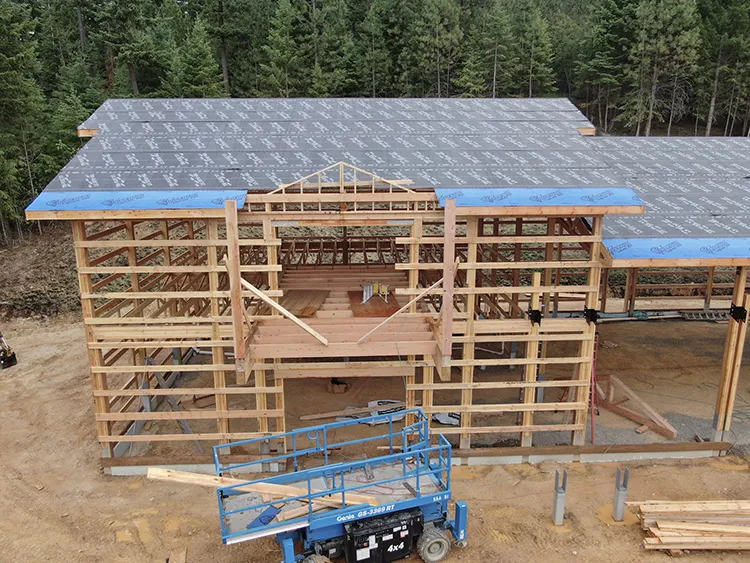
Sloped lots in SSA’s service area are common, and they require more thought than flat sites.
The key decisions on a sloped lot are:
How Much Slope Can Be Accommodated?
Minor slopes of a few percent can often be handled with straightforward grading. Steeper slopes may require retaining walls, significant cut and fill, or creative building placement to minimize the amount of earthwork required.
Where Does the Water Go?
On a sloped site, water flows downhill, which means you need to know where uphill water is coming from and where it will go after it leaves your building site. A common mistake is to level a building pad without thinking about the water that now has nowhere to go on the uphill side. The result is water pooling against the uphill foundation. The solution is always a planned drainage outlet like a swale, French drain, or channel that routes water around or past the building.
How Is Fill Handled?
Fill on a sloped site needs to be retained on the downhill side with either with a retaining wall, a rock face, or a designed earth slope at the angle of repose for the fill material. Improperly retained fill will erode or slump over time.
How to Prepare Ground for a Pole Barn: The Full Sequence
Here is a practical summary of the site prep sequence from start to building-ready:
| Step | Task | What to Watch For |
| 1 | Mark building footprint and layout | Verify setbacks and property lines before breaking ground |
| 2 | Clear vegetation, trees, and stumps | Remove all stumps within and near footprint; grind or excavate completely |
| 3 | Strip topsoil from building pad area | Remove all organic material; do not use as fill under building |
| 4 | Plan drainage before grading begins | Identify water sources uphill and outlets downhill |
| 5 | Grade building pad to required elevation | Establish 2-4% outward slope on all sides |
| 6 | Install drainage infrastructure as needed | French drains, swales, culverts where required by site |
| 7 | Place fill material in lifts and compact | 6-8 inch lifts; mechanical compaction required; do not skip |
| 8 | Install gravel base | 4-6 inches of compacted crushed stone across building pad |
| 9 | Final grade check | Verify drainage slopes are correct before construction begins |
Pole Barn Site Prep Cost: What to Expect
Site prep costs are among the most variable in any pole barn project because they depend entirely on existing site conditions. A clean, flat, well-drained site might need minimal work. A wooded, sloped, wet site might need tens of thousands of dollars in earthwork before construction can begin.
| Site Prep Component | Typical Cost Range | Notes |
| Land clearing (light brush) | $500 – $3,000 | Brush and small trees; no major stumps |
| Land clearing (wooded site) | $3,000 – $15,000+ | Heavily treed sites with large stumps |
| Stump removal (per stump) | $150 – $500+ | Depends on stump diameter and access |
| Basic grading (flat or minor slope) | $1,500 – $5,000 | Leveling and establishing drainage slope |
| Cut and fill (sloped site) | $5,000 – $20,000+ | Depends heavily on amount of material moved |
| French drain installation | $1,500 – $6,000+ | Varies by length and depth required |
| Gravel base (4-6 inch compacted) | $1.50 – $3.50/sq ft | Material and compaction |
| Total site prep (favorable site) | $2,000 – $8,000 | Flat, minimal clearing, basic grading |
| Total site prep (challenging site) | $10,000 – $40,000+ | Wooded, sloped, drainage issues |
These are general planning ranges. Your contractor should evaluate the site before providing a quote, and site prep costs should always be included in any full project estimate you compare. A quote that does not include site prep is not an apples-to-apples comparison with one that does.
Common Site Prep Mistakes to Avoid
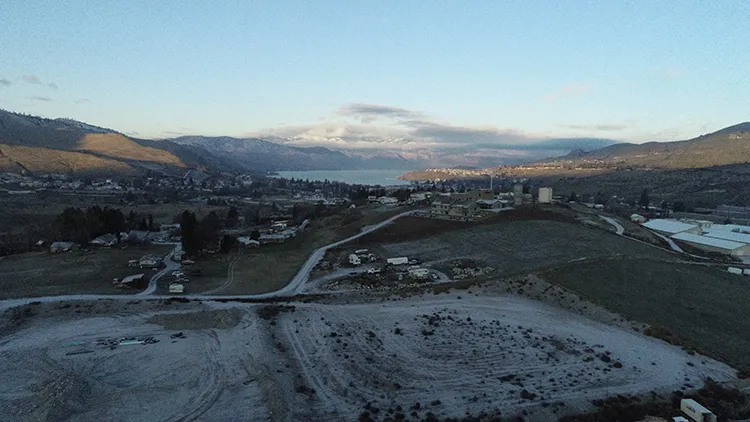
After building post-frame and metal structures across Idaho, Washington, Oregon, Colorado, and Montana, these are the site prep mistakes we see most often:
Skipping Stump Removal
Leaving stumps in or near the building pad seems like a cost savings. It almost always creates a problem. Rotting stumps create voids, drainage channels, and settling. Remove them completely.
Underestimating Drainage
Buyers who focus heavily on the building itself sometimes treat drainage as an afterthought. Water pooling around a post-frame foundation is one of the fastest paths to an expensive problem. Plan drainage before you grade.
Using Topsoil or Organic Material as Fill
Organic material compresses. If topsoil is used as fill under a gravel base or slab, settling will happen. Strip topsoil and use proper compactable material for fill.
Not Compacting Fill in Lifts
Dumping fill and compacting the top layer does not produce a well-compacted base. Each 6 to 8 inch lift needs to be compacted before the next one goes down. Skipping this step creates a building pad that settles unevenly over time.
Grading Without a Drainage Plan
Leveling a site without knowing where the water will go often creates new drainage problems. Establish the drainage plan before you grade, not after you discover water pooling in the wrong places.
Site Prep and Your Pole Barn Timeline
Site prep is typically the first work that happens on a pole barn project, and it is often done by a site contractor rather than the pole barn builder. In some cases, your pole barn builder handles or coordinates site prep. In others, you hire a local excavation contractor to prepare the site before your building contractor arrives.
Either way, site prep needs to be complete (and in some cases, inspected and approved) before post installation can begin. In regions with freeze-thaw cycles, timing matters: grading done in fall needs to account for frost and settling before spring construction. Talk to your contractor early about how site prep fits into the overall project schedule.
Working with Steel Structures America on Site Prep
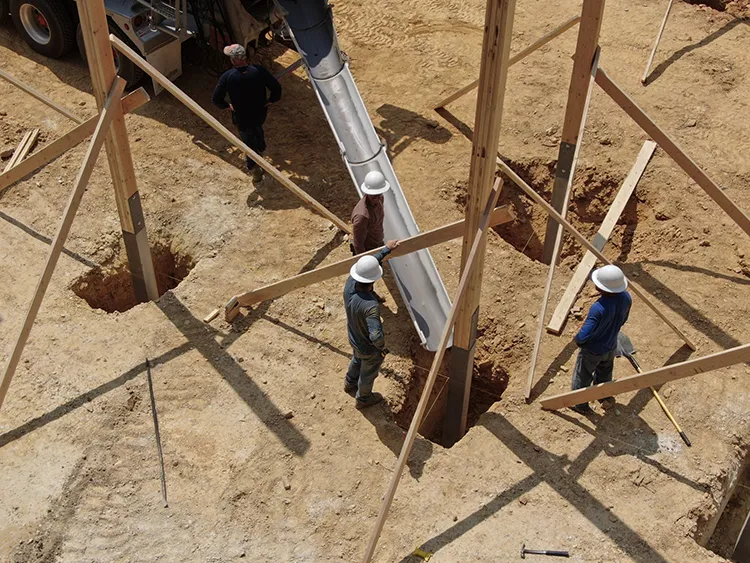
Steel Structures America builds post-frame and metal buildings throughout Idaho, Washington, Oregon, Colorado, and Montana. Every project we take on starts with a site evaluation. We look at the building location, the existing terrain, drainage patterns, soil conditions, and access and we factor all of that into the project plan and quote.
We are happy to advise on what your site needs before construction begins, whether that means coordinating site prep work directly or helping you understand what to ask a local excavation contractor. Getting site prep right is the foundation of a building that performs the way it should for decades.
To talk through your project and get a quote that includes a realistic look at site prep requirements, contact Steel Structures America at (866) 490-4012 or fill out our online quote request.