
Pole Barn Posts: In-Ground vs. On Concrete | Pros, Cons, and Lifespan
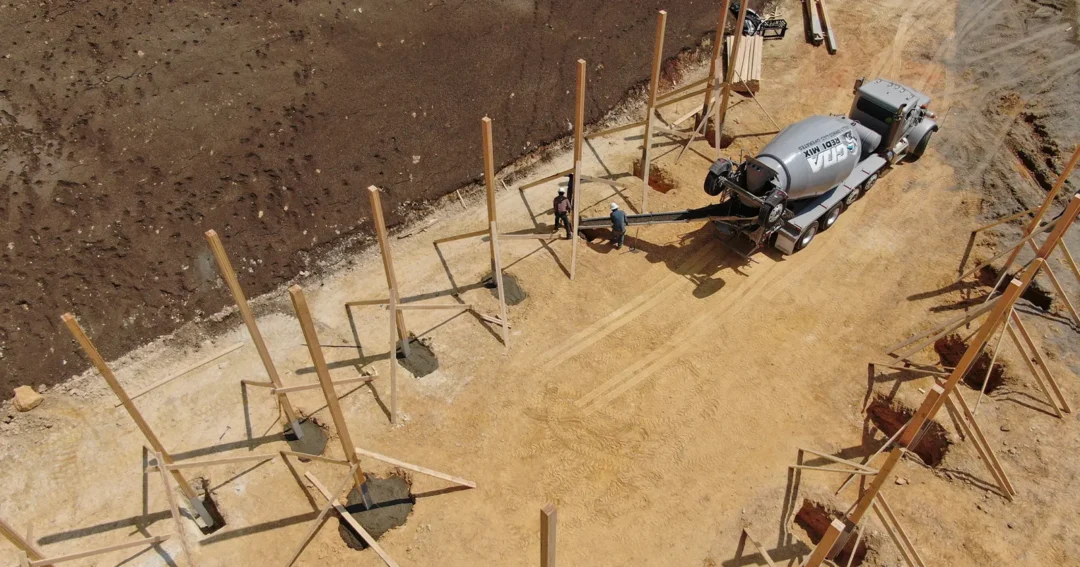
Pole barn posts in ground or on concrete? It’s one of the most common questions builders and buyers ask before starting a project, and it is a lot more important than it might sound. The method you choose directly affects how long your building lasts, what it will cost over time, and how much maintenance you will deal with down the road.
There is no single right answer for every situation, but there is a right answer for your situation. This article breaks down both methods honestly, covers the real lifespan differences, explains why post rot happens and how to prevent it, and walks through where Perma-Column fits in as a third option worth serious consideration.
Why Post Setting Method Matters So Much
In a pole barn or post-frame building, the structural posts do the heavy lifting. They carry the roof load, resist wind forces, and anchor the entire building to the ground. Unlike a stick-built home that sits on a continuous perimeter foundation, a pole barn transfers all of that load through individual posts set at intervals, typically every 8 to 12 feet.
That means each post-to-ground connection is critical. How well that joint is made, and how well it holds up over decades of freeze-thaw cycles, moisture exposure, and soil contact, determines whether your building stands strong at year 30 or starts causing headaches at year 15.
Option 1: In-Ground Posts
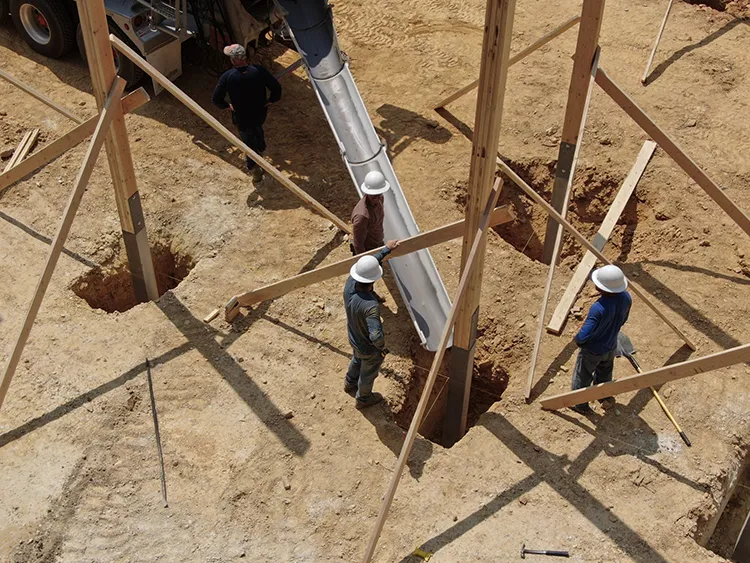
Setting posts directly in the ground is the traditional method and it is still the most common approach used in pole barn construction today. A hole is augered or dug below the local frost line, the post is set and plumbed, and concrete is poured around the base to lock it in place and create a sloped collar that sheds water away from the wood.
How It Works
The post goes into a hole that is typically 4 to 6 feet deep, depending on the local frost depth and the height of the building. The concrete collar around the base serves two purposes: it anchors the post against wind uplift, and it helps direct surface water away from the wood at grade level.
In some applications, builders use a bell-bottom footing (a flared auger hole at the bottom of the post hole ) to create a larger bearing surface underground. This improves both downward load capacity and resistance to wind uplift, which matters a lot on taller buildings or in high-wind areas.
The Pros of In-Ground Posts
- Lowest upfront cost of any post setting method
- Excellent wind uplift resistance due to the concrete mass surrounding the post below grade
- Fast and straightforward installation
- Well-understood by most post-frame builders and building inspectors
- Works well in dry, well-draining soils where moisture exposure is limited
The Cons of In-Ground Posts
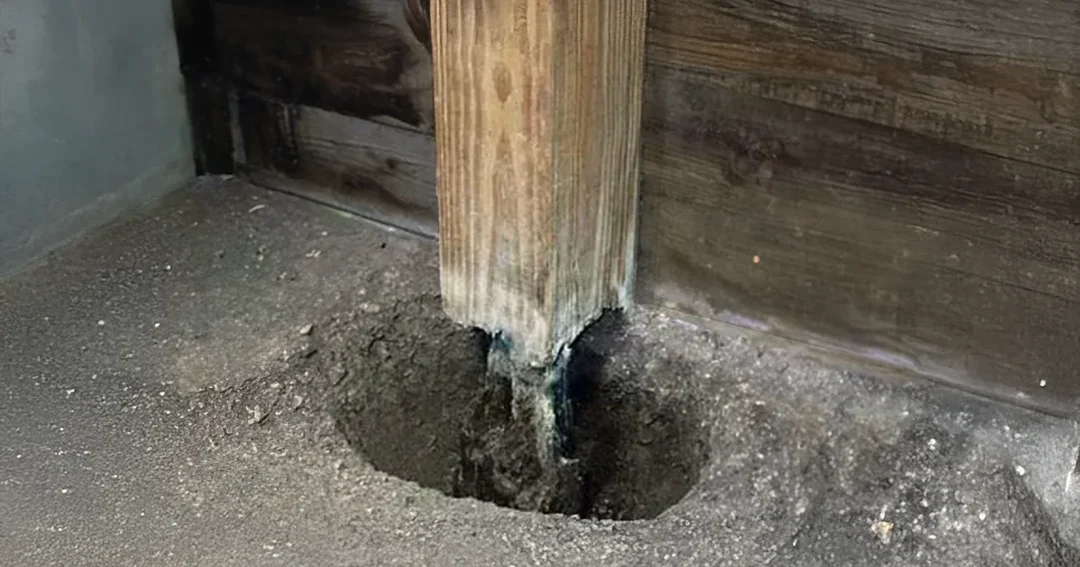
- Wood in direct contact with soil is exposed to moisture, fungi, and soil organisms that cause rot
- Even pressure-treated lumber has a finite lifespan in ground contact
- In wet soils or high-moisture environments, post rot can develop faster than most buyers expect
- Once rot sets in, repairing or replacing a buried post is expensive and disruptive
- The zone right at grade level (where the post transitions from above-ground to below-ground ) is the most vulnerable spot and hardest to inspect
How Long Do Pole Barn Posts Last In Ground?
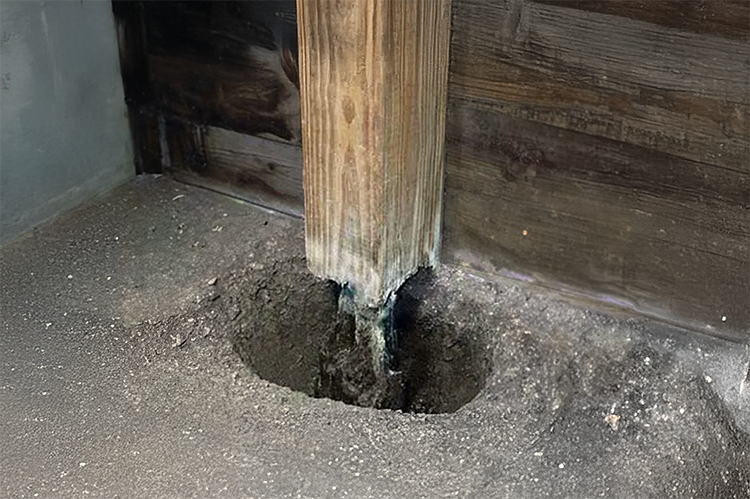
This is the big question, and the honest answer is: it depends. Several factors determine how long treated posts last when buried in soil.
| Factor | Favorable Conditions | Unfavorable Conditions |
| Soil type | Sandy, well-draining | Clay, compacted, high moisture |
| Climate | Dry with low annual rainfall | Wet, humid, frequent freeze-thaw |
| Post treatment level | UC4B or higher rated treatment | UC3B or below-grade not rated |
| Drainage at grade | Good slope away from building | Water pools against building |
| Concrete collar quality | Proper slope, tight contact | Cracked, settled, water pools |
In ideal conditions (dry climate, well-draining sandy soil, UC4B-rated treated lumber, and good site drainage) in-ground treated posts can last 40 years or more. In tough conditions like wet clay soil, high moisture, poor drainage, or lower treatment ratings, problems can start appearing in as little as 15 to 20 years.
The Pacific Northwest, western Oregon, and wetter parts of the region SSA serves tend to be harder on buried posts than the high desert of eastern Oregon, Colorado, or drier inland areas of Idaho and Montana.
Treated Posts for Pole Barns: What the Treatment Ratings Mean
Not all pressure-treated lumber is the same. The American Wood Protection Association (AWPA) assigns use categories to treated lumber based on the severity of the exposure conditions the wood is designed to handle.
| Rating | Use Category | What It Means |
| UC3B | Above-ground, wet | For above-grade applications with frequent moisture exposure. Not rated for ground contact. |
| UC4A | Ground contact, general use | Minimum rating for posts in ground contact. Suitable for well-drained sites with moderate exposure. |
| UC4B | Ground contact, heavy use | Higher treatment retention. Recommended for critical structural posts in moist or high-exposure environments. |
| UC4C | Ground contact, severe use | Highest standard treatment for the most demanding in-ground applications. |
For pole barn posts going in the ground, UC4B should be considered the practical minimum for any building where longevity matters. Ask your contractor what treatment rating they use and make sure it is specified in your contract.
Option 2: Posts Set On Concrete
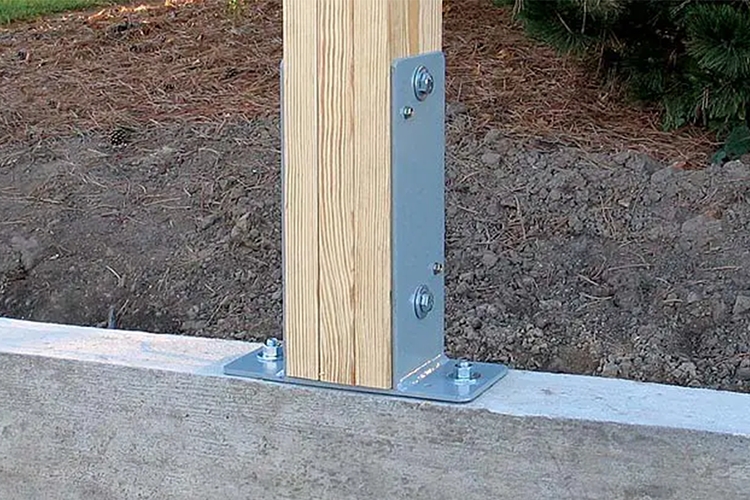
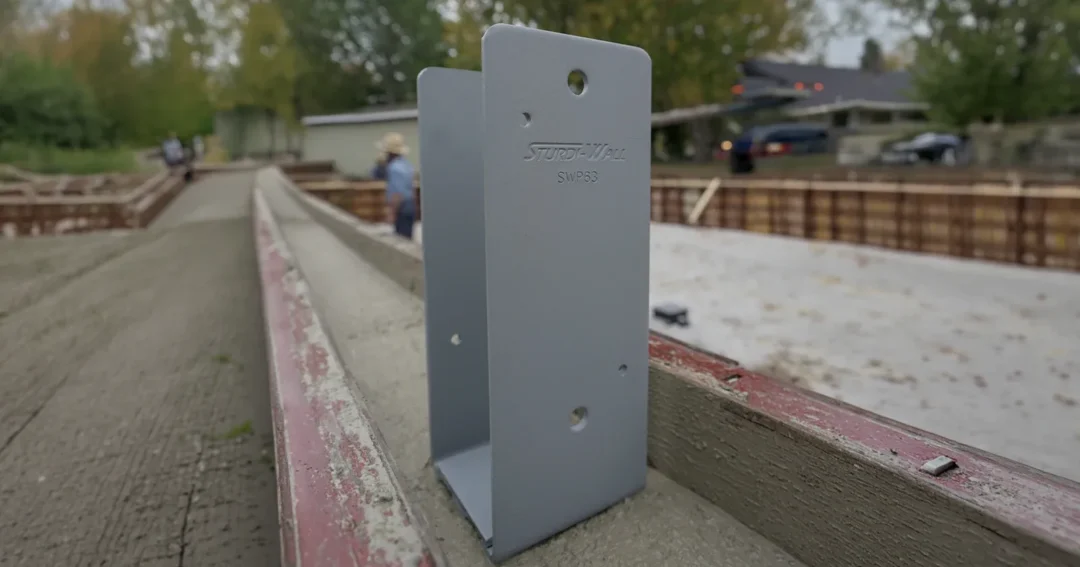
Rather than burying the post, this approach sets a concrete footing or pad first, then mounts the post above grade using an anchor bracket or notched base. The wood never touches the soil.
The Pros of On-Concrete Posts
- Eliminates wood-to-soil contact, which is the primary cause of post rot
- Posts can theoretically last indefinitely if kept dry above grade
- Easier to inspect the post base over time
- May allow for post replacement without major excavation
The Cons of On-Concrete Posts
- Uplift resistance depends entirely on the anchor design and footing mass as opposed to the concrete mass surrounding a buried post
- Requires careful engineering, especially in high-wind regions like Colorado mountain areas, eastern Montana, or the Snake River Plain
- More complex installation requiring accurate footing placement and proper anchor specification
- Not all builders are experienced with this method, which increases the risk of errors
- Generally higher cost than standard in-ground post installation
Posts set on concrete can absolutely be engineered to perform well, but the uplift resistance math is different from in-ground posts. A post buried 5 feet with a concrete collar has a lot of mass resisting wind. A post sitting on a bracket depends on the anchor pattern, the bracket rating, and the footing size. This isn’t a problem, it just needs to be engineered correctly for your specific wind load requirements.
How to Prevent Pole Barn Post Rot
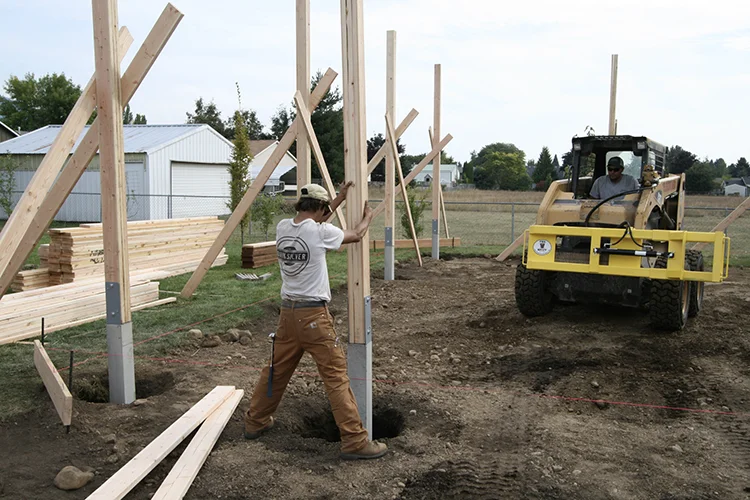
If you are going with in-ground posts, there are several things that meaningfully extend their lifespan. These details are the difference between a 20-year building and a 40-year building.
1. Start with the Right Treatment Rating
As covered above, UC4B is the practical minimum. If your site has wet clay soil, poor drainage, or you are in a high-moisture climate, consider UC4C or ask about alternative materials.
2. Get the Concrete Collar Right
The concrete collar at grade level should slope away from the post on all sides. This is what directs rainwater and snowmelt away from the wood. A flat or low-centered collar lets water pool against the post at the most vulnerable point: right at grade where wet and dry cycles are most frequent.
3. Prioritize Site Drainage
Good drainage away from the building is one of the highest-value things you can do for your foundation’s longevity. A 2 to 4 percent slope away from the building on all sides dramatically reduces moisture accumulation around post bases. This costs very little to do right during site prep and is expensive to fix later.
4. Choose the Right Post for Your Site
In areas with known drainage issues or wet clay soils, a premium post treatment or an alternative foundation system may be the better long-term investment even if the upfront cost is higher.
The Third Option: Perma-Column
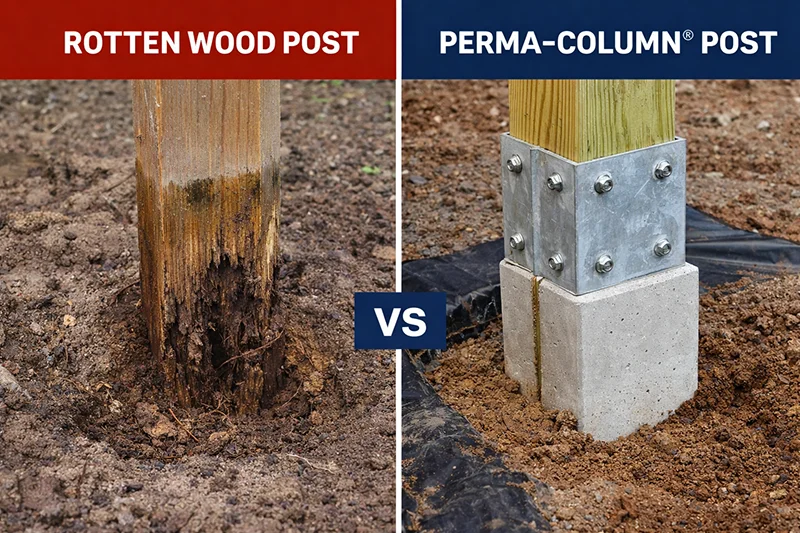
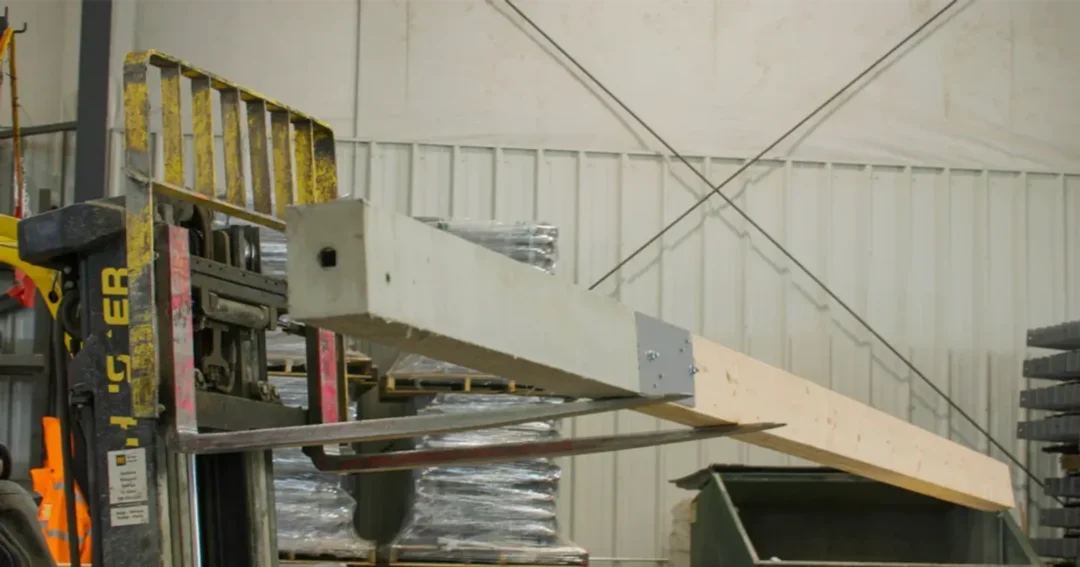
Perma-Column is a precast concrete column system designed specifically for post-frame buildings. It has become one of the most significant upgrades available in pole barn construction, and it is what Steel Structures America uses when clients want the best long-term foundation performance.
The concept is straightforward: instead of burying a wood post in the ground, a precast concrete column is set in the ground. The concrete column handles everything underground, resisting soil moisture, transferring load, and providing uplift resistance. The wood post then connects to the top of the Perma-Column unit at or just above grade, where it stays dry and is no longer in contact with soil.
Perma-Column vs. In-Ground Posts
| In-Ground Wood Posts | Perma-Column System | |
| Wood-to-soil contact | Yes – full buried length | None – wood stays above grade |
| Post rot risk | Present, varies by conditions | Eliminated below grade |
| Uplift resistance | Excellent (concrete mass) | Excellent (precast + concrete backfill) |
| Typical lifespan | 20-40+ years (conditions dependent) | 50+ years – concrete does not rot |
| Upfront cost | Lowest | Medium-high (but long-term savings) |
| Best for | Dry sites, budget-focused builds | Any site, long-term builds, wet climates |
Perma-Column vs. Posts on Concrete
Perma-Column is also a better option than simply setting posts on a concrete pad in most post-frame applications. Here is why:
- Perma-Column is set in the ground, so it gets the same uplift resistance as an in-ground post
- The precast concrete column is designed specifically for this application with the right dimensions and reinforcement
- Installation is more straightforward than pouring and accurately placing individual concrete footings with brackets
- The system has a proven track record and is widely recognized by building departments and engineers
Who Should Consider Perma-Column
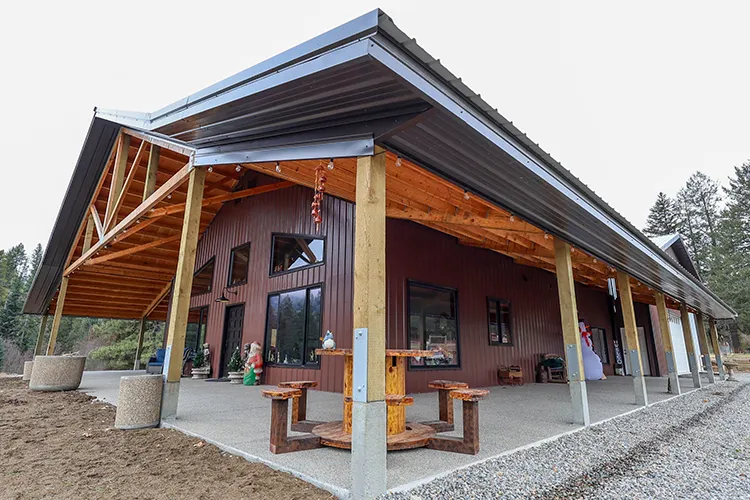
Perma-Column makes the most sense if any of these apply to your project:
- You are building in a wet climate or on a site with clay soil or drainage challenges
- You are building a shop, barndominium, contractor yard, or any structure with significant interior investment
- You want the building to last 50-plus years with minimal foundation maintenance
- You are in a region with aggressive freeze-thaw cycles that increase moisture exposure at grade
- You simply want the best available foundation system for your post-frame building
Steel Structures America is a licensed Perma-Column installer. When it is the right fit for a project, we present it as part of the quote and explain the long-term value compared to standard in-ground post systems. If you have questions about whether Perma-Column makes sense for your site and budget, we are happy to walk through it with you.
Making the Right Call for Your Pole Barn
Here is a practical summary to help you think through the decision:
| Your Situation | Recommended Approach | Why |
| Well-draining sandy or gravelly soil, dry climate | In-ground UC4B posts | Lower cost, conditions are favorable for long post life |
| Clay soil, wet climate, or site with drainage challenges | Perma-Column | Eliminates the biggest failure risk in your environment |
| High-value shop, barndominium, or finished interior | Perma-Column | Protects interior investment with best available foundation system |
| Budget-constrained, dry site, equipment storage use | In-ground UC4B posts with good site drainage | Cost-appropriate for the use case and conditions |
| Unsure about soil or drainage conditions | Perma-Column or consult your contractor | When in doubt, the upgrade protects against the unknown |
Have questions about your specific site conditions or want to talk through which foundation approach makes sense for your project? Reach out to Steel Structures America at (866) 839-0506 or request a quote online. Site evaluation and foundation recommendations are part of every project we build.