
Barndominium Planning Checklist: Everything to Decide Before You Hire a Builder
A barndominium planning checklist is the single best tool you can have before your first conversation with a builder. Most people spend months falling in love with floor plans and exterior photos online, then show up to a contractor meeting without knowing their site dimensions, their budget ceiling, or whether their county even allows residential use in their zone. That mismatch wastes everyone’s time and sometimes kills projects before they start.
This guide covers every major decision you need to make before you hire a builder. Work through it section by section, and you will walk into that first meeting ready to have a real conversation.
1. Know Your Land Before Anything Else
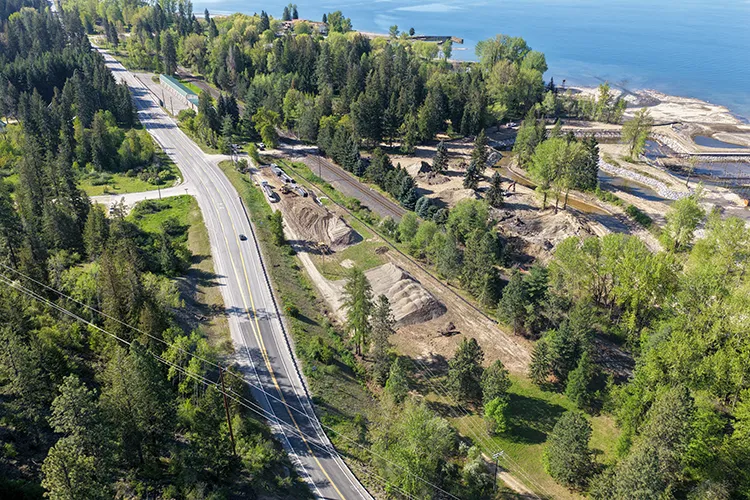
Your land drives almost every other decision on this list. Before you can meaningfully talk to a contractor about size, layout, or budget, you need to understand what your property will actually allow.
Site Questions to Answer First
- What are the exact dimensions and total acreage of your parcel?
- Where does the road access come in, and is it paved or gravel?
- What is the topography? Is the site relatively flat, sloped, or rolling?
- Is there a natural drainage direction? Where does water flow after heavy rain?
- Are there any easements, setback lines, or deed restrictions recorded on the property?
- What is the soil type? Sandy, clay, rocky, or loamy soils all affect your foundation options and cost.
- Is the land in a flood zone? Check the FEMA flood map before you plan anything.
- What direction does your site face? Solar orientation affects window placement, passive heating, and energy efficiency.
A surprising number of barndominium buyers skip this step entirely and only discover problems during the permit process. Know your land first.
2. Sort Out Zoning and Permits Early
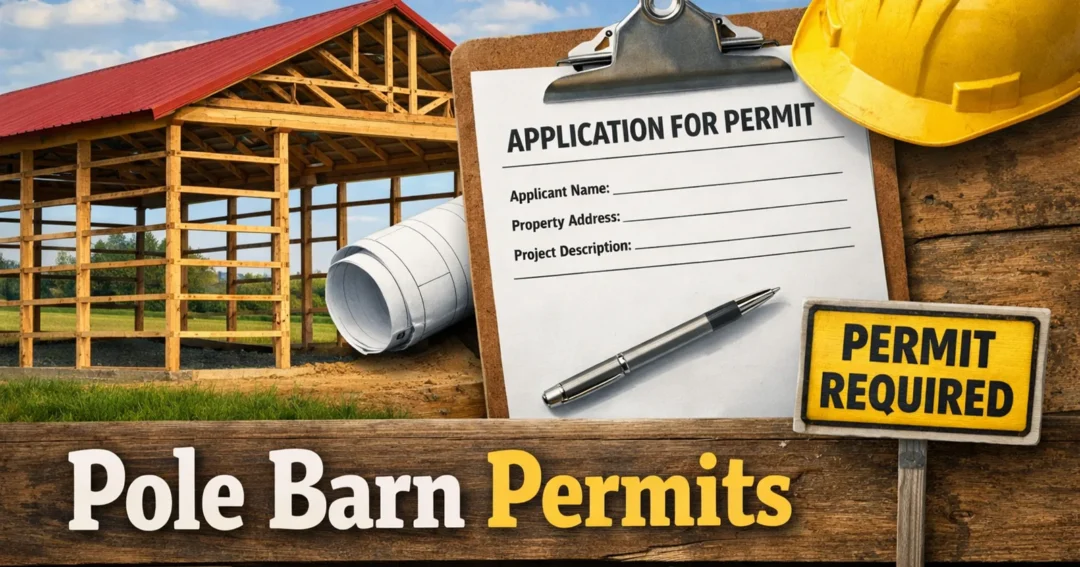
Zoning is the most common reason a barndominium project stalls or fails entirely. In many rural counties you have a lot of freedom, but some areas restrict residential use in agricultural zones, require specific setbacks, or have rules about structure height, exterior materials, or even the mix of shop space and living space in a single building.
Zoning and Permit Checklist
- Contact your county planning or zoning office and ask directly: Can I build a barndominium on my parcel?
- Find out what zone your land is in and what the permitted uses are.
- Ask about setback requirements from property lines, roads, and any waterways.
- Ask about height restrictions, especially if you want a tall shop bay.
- Find out if a septic permit, well permit, and electrical service permit are required separately.
- Ask whether you need a building permit for the structure, and if so, whether stamped engineering drawings are required.
- Find out if there is a deed restriction or HOA that might limit your building type.
Your contractor can often help navigate this, but it is much better to go into the project knowing the rules of the game rather than discovering surprises mid-build.
3. Nail Down Your Budget Range
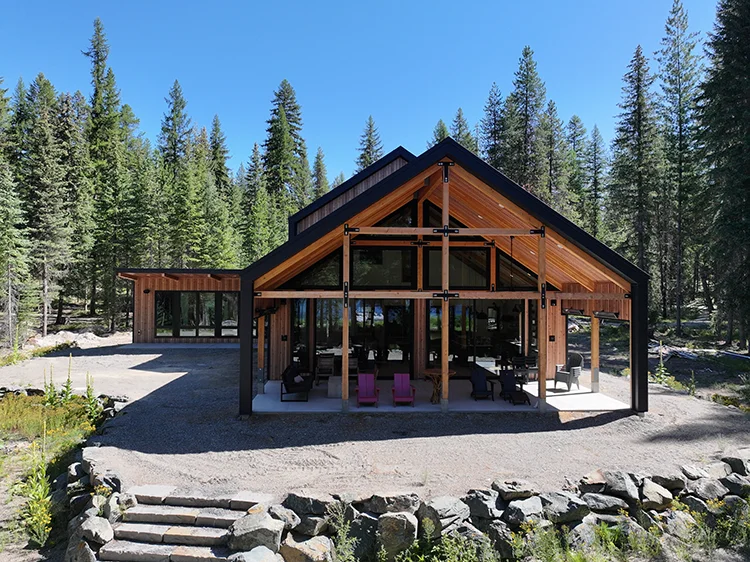
You do not need to know your exact number, but you need to know your range. Barndominium costs vary significantly based on size, finishes, location, and how much of the work you are hiring out vs. managing yourself. Walking into a contractor meeting with no budget idea is like walking onto a car lot and saying you have no idea what you want to spend. The conversation goes nowhere useful.
Budget Planning Questions
- What is the maximum you can finance or spend on the total project?
- Do you have cash for any portion of the build, or is this entirely financed?
- Have you spoken to a lender about a construction loan? If not, that is a critical early step.
- Are you planning to owner-manage parts of the project, like site prep or interior finishing, to reduce contractor costs?
- Have you set aside 10 to 15 percent of your total budget as a contingency for surprises?
- Do you understand the difference between shell cost (structure only) and turnkey cost (everything finished)?
If you have not already read our guide on barndominium cost, that is a good starting point before you set your number.
4. Decide on the Right Size and Layout
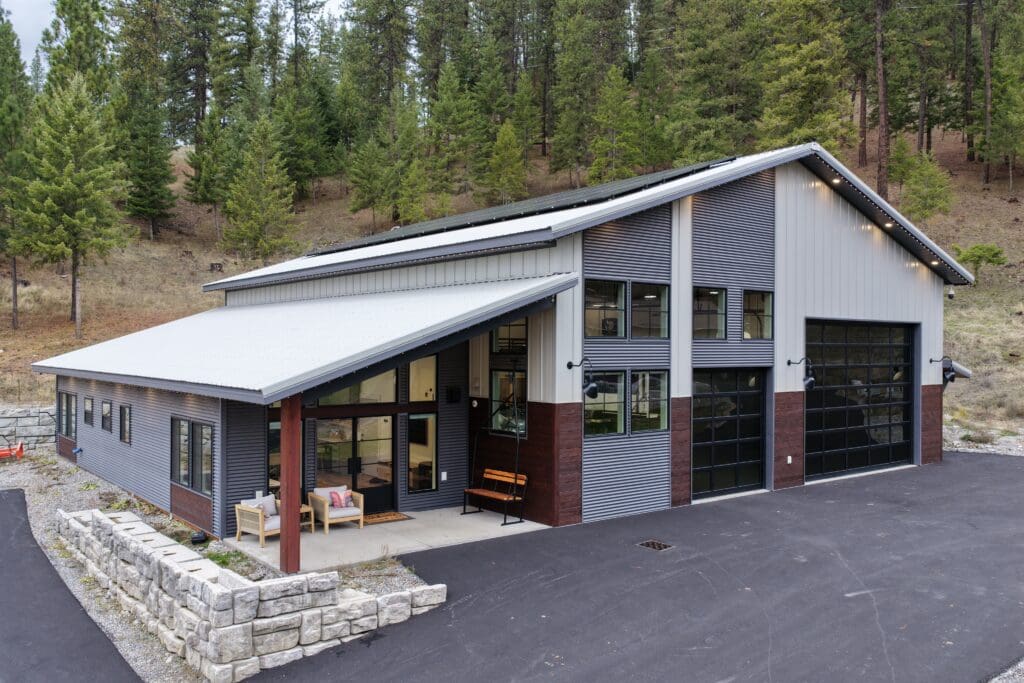
Size and layout are where most people have already done a lot of dreaming. Now it is time to translate that dreaming into real decisions. The layout questions below are what your contractor will need to work from.
Size and Layout Decisions
- How much total square footage do you want? Break it into living area and shop/garage area separately.
- What is the footprint? A 40×80 barndominium with a loft feels completely different from a 60×60 with a single story.
- How many bedrooms do you need, and do you anticipate that changing in the next 10 years?
- How many bathrooms?
- Do you want an open floor plan in the living area, or do you prefer more defined rooms?
- What is your priority for ceiling height? Shop ceilings typically run 14 to 18 feet; living areas are usually 9 to 12 feet.
- Do you want a loft or a true second story?
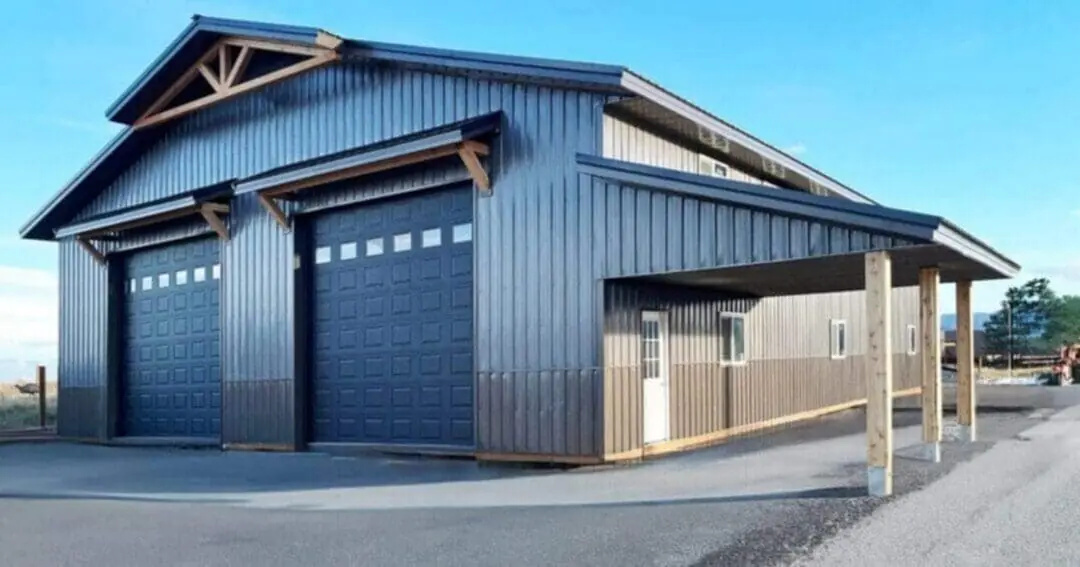
- How many overhead doors do you want in the shop section, and what size?
- Do you want a covered porch, wraparound porch, or entry awning?
- Do you want a mudroom or utility room connecting the shop and living area?
You do not need to have finalized floor plans before talking to a builder. But you should know the answers to the questions above before that first meeting. A good contractor will help you refine the layout, but they need your priorities and constraints to work from.
5. Make Your Exterior Decisions
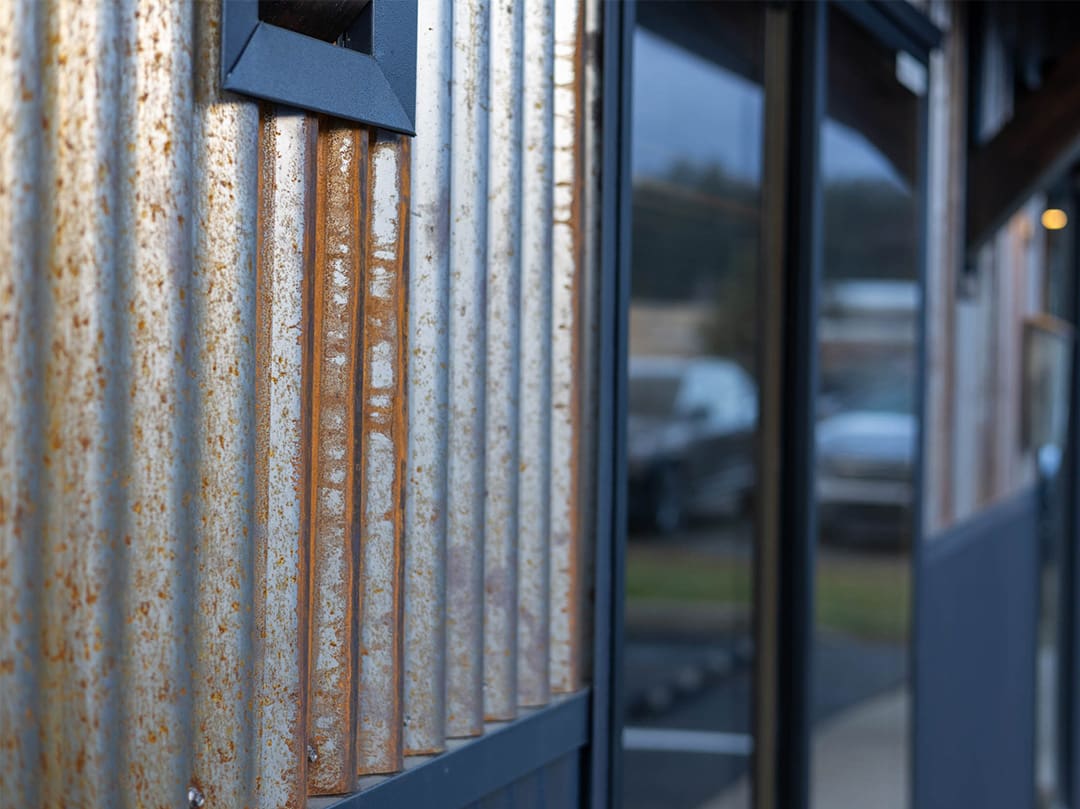
The exterior is what most people picture when they think about a barndominium, and your builder will need to know your preferences before they can quote accurately. Exterior material choices affect both cost and lead time.
Exterior Decisions to Make
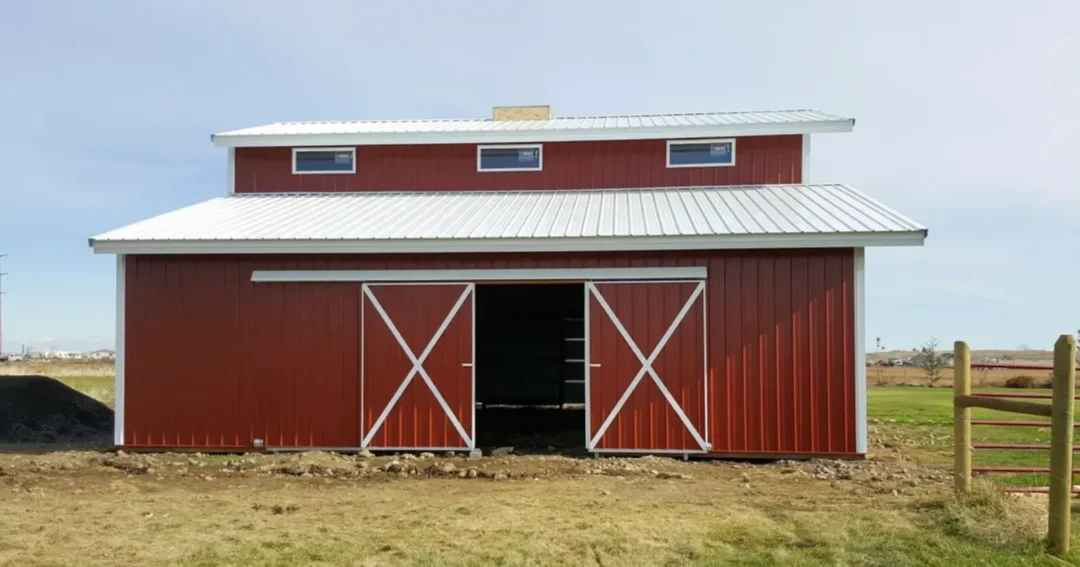
- What siding material do you want? Metal panel is standard, but color, profile, and gauge all vary.
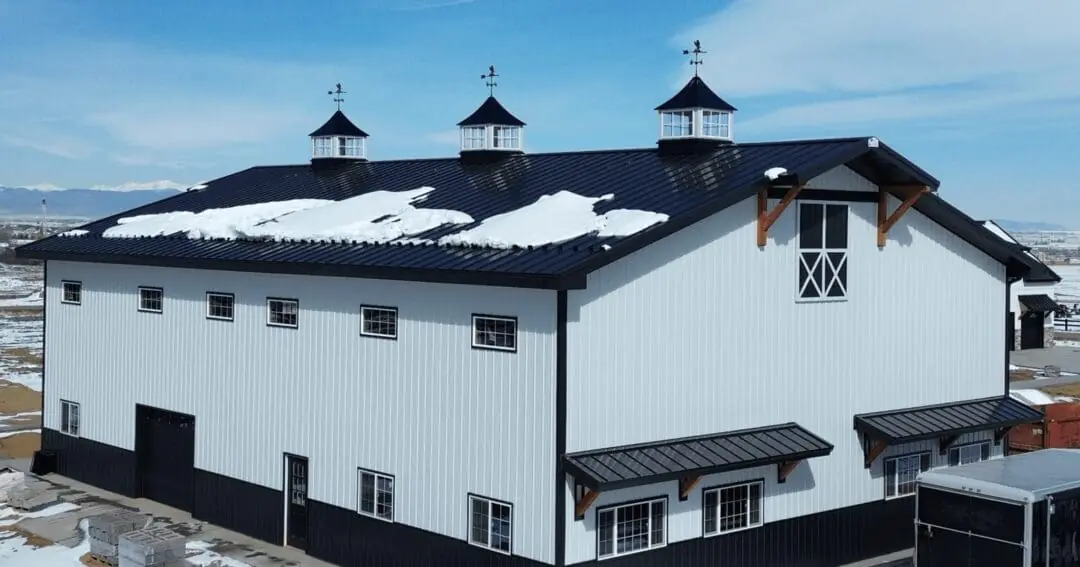
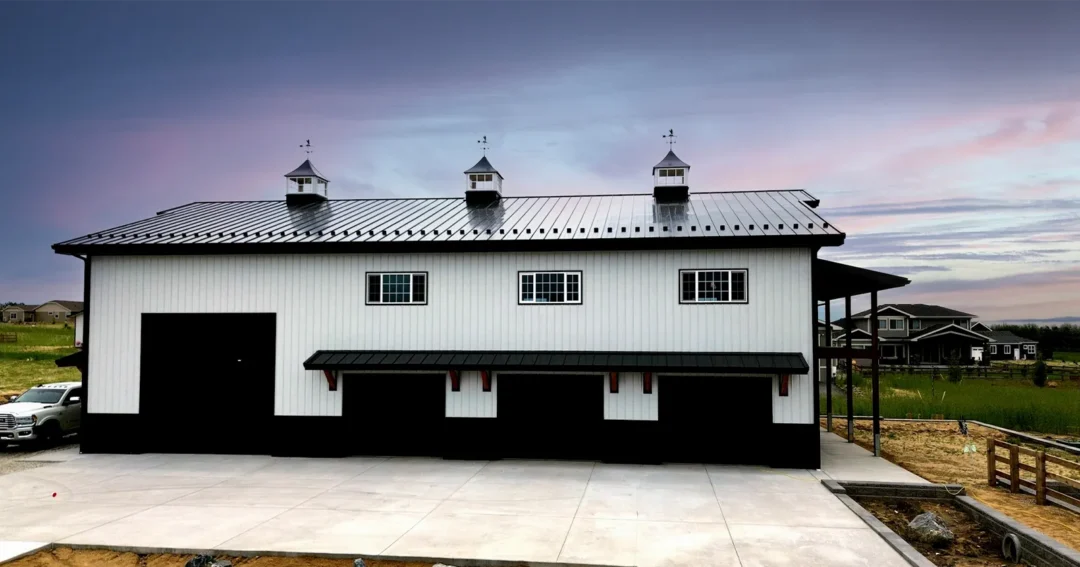
- Do you want wainscoting or a two-tone exterior? If so, what materials?
- What roofing material do you want? Standing seam metal is popular; exposed fastener panels are a common budget option.
- What color combination are you leaning toward? Your contractor may have a design tool or sample panels to help.
- What style of windows do you want on the exterior? Fixed, casement, or double-hung?
- Do you want a cupola or any decorative roofline elements?
- What type and size of entry door?
- What overhead door style? Flush, carriage house, or custom?
6. Plan Your Utilities and Mechanical Systems
Utilities are where the real money hides in a barndominium build. Many buyers focus entirely on the structure and underestimate what it costs to get water, power, and heat into the building and working correctly. Plan these before you sign any contracts.
Utility and Mechanical Checklist
- Is there electrical service at the road, or will you need to bring it in from a distance?
- What electrical panel size do you need? A shop with welders, compressors, and a lift needs significantly more amperage than a garage with basic lighting.
- Will you have public water, or do you need a well?
- Will you have public sewer, or do you need a septic system?
- What is your heating and cooling plan for the living area? Mini split systems are the most common choice for barndominiums.
- What is your plan for heating the shop? Propane or natural gas radiant heat, in-floor radiant heat, or a unit heater?
- Do you want in-floor radiant heat in the living area or the shop slab?
- Will you have a wood stove or fireplace as a supplemental heat source?
- What is your hot water plan? Traditional tank, on-demand/tankless, or a heat pump water heater?
- Do you want a whole-house generator or generator hookup?
- Will you have internet service at the site, or will you need satellite internet?
If you are financing the build, your lender will likely want to see a complete budget that includes all utility infrastructure. Do not leave these as afterthoughts.
7. Think Through Your Interior Finishes
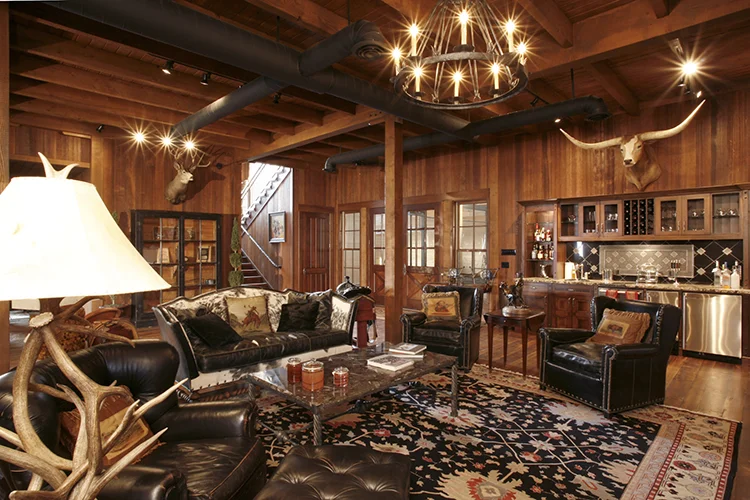
Interior finishes cover a huge range from bare and functional to fully custom residential. Knowing where you land on that spectrum helps your contractor quote accurately and helps you avoid finish sticker shock later.
Interior Finish Questions
- What are your wall finish preferences in the living area? Drywall, shiplap, tongue and groove, or some combination?
- What flooring type do you want? Polished concrete, hardwood, luxury vinyl plank, or tile?
- What is your kitchen plan? Full custom cabinets, semi-custom, or builder grade?
- What countertop material? Granite, quartz, butcher block, or laminate?
- What are your bathroom finish preferences?
- What wall and ceiling treatment do you want in the shop area? Painted OSB, metal liner panels, or open to the framing?
- What kind of shop floor? Bare concrete, sealed and polished concrete, or epoxy coating?
- Do you want built-in storage, workbenches, or cabinetry in the shop?
- What is your lighting plan for both areas?
You do not need to pick every fixture and finish before talking to a builder. But you should be able to describe your general finish level so they can quote with the right allowances.
8. Understand the Build Process and Timeline
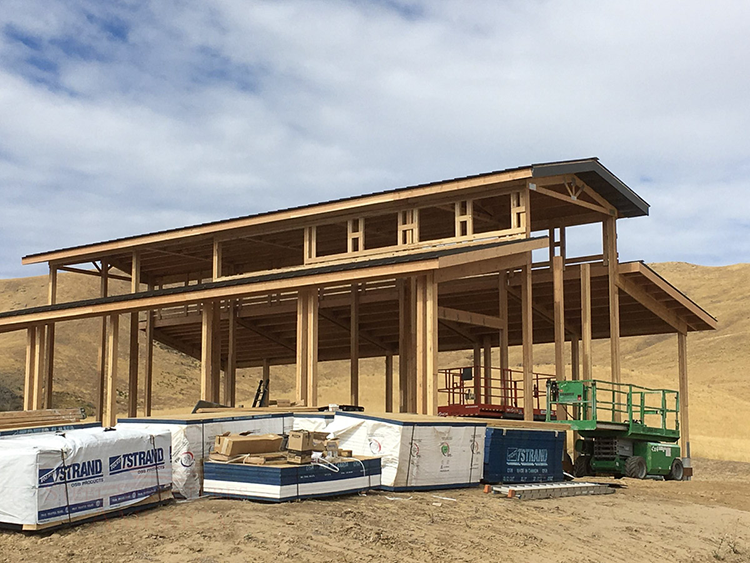
Knowing roughly how a barndominium build flows helps you ask better questions and set realistic expectations. Here is the general sequence of events on a contractor-built project.
| Phase | What Happens |
| Design and Planning | Work with your builder on layout, specs, and pricing. Engineering drawings are produced and submitted for permits. |
| Permitting | County reviews drawings and issues building permit. Timeline varies widely by county, from two weeks to several months. |
| Site Prep | Land clearing, grading, and drainage work. Access road may be improved at this stage. |
| Foundation | Posts set or concrete slab poured. In-floor plumbing and radiant heat tubing go in before the pour if applicable. |
| Framing and Shell | Structure goes up. Roofing and exterior walls are installed. Windows and doors are set. |
| Rough-In | Electrical, plumbing, and HVAC rough-in happens before insulation and walls go up. Inspections required. |
| Insulation and Finish | Insulation installed, then drywall, interior finishes, trim, cabinets, flooring, and fixtures. |
| Final Inspection | County inspects and issues certificate of occupancy. You get the keys. |
Total build times vary, but most contractor-built barndominiums take 6 to 14 months from first meeting to move-in when you account for design, permitting, and construction.
9. Know What to Ask Your Builder
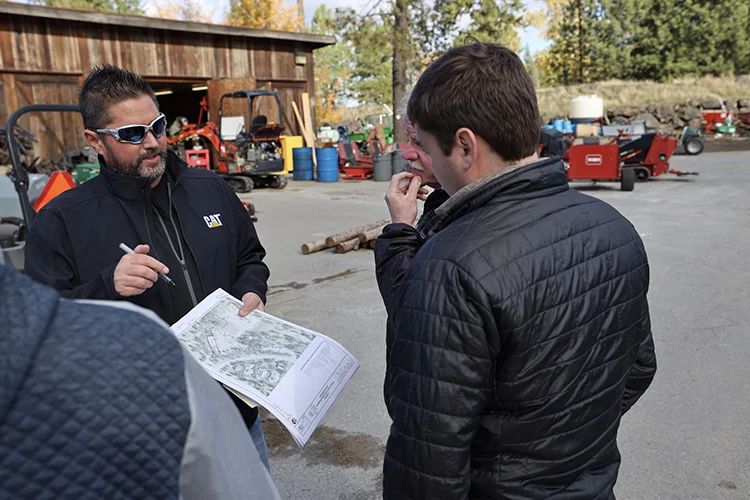
When you are ready to start interviewing contractors, come prepared. The goal is not to quiz them but to figure out whether they are the right fit for your project and your timeline.
You can also check out out guide on how to choose the right barndominium contractor.
Questions to Ask a Barndominium Builder
- How many barndominiums have you completed in the last two years?
- Can you provide references from recent barndominium clients?
- Do you handle permitting, or does that fall to the owner?
- Do your builds include stamped engineering drawings?
- How do you handle subcontractors for electrical, plumbing, and HVAC?
- What does your quote include, and what is explicitly excluded?
- What is your current build schedule and when could my project start?
- What does your payment schedule look like?
- What warranties do you offer on the structure and finishes?
- How do you handle change orders once the build is underway?
A contractor who answers these questions confidently and completely is one worth spending more time with.
We have also put together a full guide on choosing your contractor, here.
10. Final Pre-Hire Checklist
Before you sign a contract with any builder, run through this final check.
- You have confirmed your zoning allows a barndominium on your parcel.
- You have a financing plan in place or a lender conversation scheduled.
- You know your target size and can describe your layout priorities.
- You have a rough exterior finish preference.
- You have a utility plan for power, water, sewer, and heat.
- You have a ballpark on interior finish level.
- You have verified the contractor’s references and recent project history.
- You have reviewed the contract scope of work carefully and understand what is and is not included.
- You have a contingency fund set aside.
- You feel confident in the contractor’s communication style and responsiveness.
If you can check every item on that list, you are genuinely ready to move forward.
Ready to Start Your Barndominium Build?
Steel Structures America builds custom barndominiums across Idaho, Washington, Oregon, Colorado, and Montana. Our team works with you from early planning through construction, and we are happy to answer any of the questions on this checklist in your first conversation.
Give us a call at (866) 490-4012 or reach out through our website to talk through your project. We build barndominiums the right way, and we are glad to help you figure out exactly what that looks like for your land and your goals.