
Pole Barn Windows: How to Choose the Right Windows for Your Building
Pole barn windows are a detail that most buyers think about late in the planning process, often as an afterthought behind the roof, the doors, and the floor plan. That is a mistake. The windows you choose affect natural light, ventilation, heating and cooling efficiency, and the overall look of your building, and changing them after construction is expensive. Getting the window plan right before your contractor starts framing is the smarter move.
This guide covers every major decision you will need to make about windows in a post-frame building, whether you are building a shop, a garage, a barndominium, or a full pole barn home.
Why Windows Matter More Than You Might Think
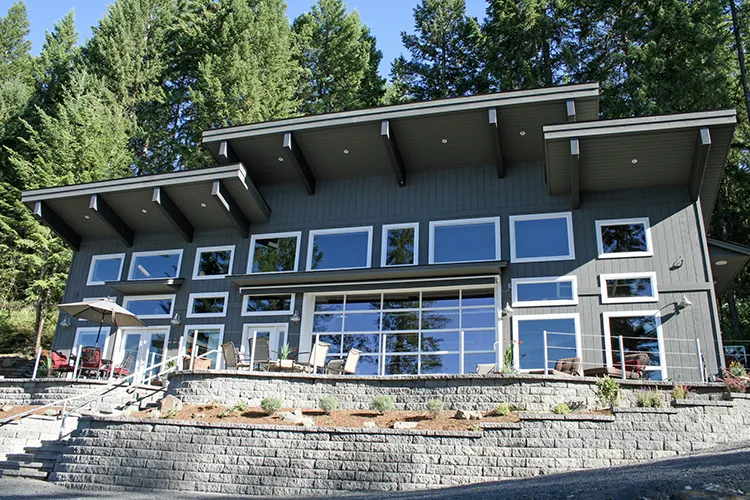
A lot of people building shops or agricultural buildings default to minimal windows, figuring they just need a few for light and ventilation. That is fine for a basic storage building. But as soon as you are spending time in the building, whether it is for hobbies, a home business, livestock management, or living space, the window plan starts to matter a lot more.
Windows affect your building in several specific ways.
- Natural light changes how comfortable a workspace feels over the course of a long day. Fluorescent-lit shops with no windows feel like basements by late afternoon.
- Ventilation is critical in hot summer months, especially in shops with vehicles, machinery, or finishing work happening inside.
- Energy efficiency: windows are one of the biggest sources of heat loss and heat gain in a well-insulated building. Choosing the wrong window can undermine an otherwise excellent insulation system.
- Condensation control: in cold climates like Idaho, Montana, and Colorado, the wrong window can produce significant condensation on the interior glazing, which creates moisture problems in an otherwise dry building.
- Appearance: windows define the character of your building from both inside and out. A building with well-placed windows of the right size and style looks intentional. A building with whatever windows were cheapest looks like it.
The Main Window Types for Pole Barns and Post-Frame Buildings
Post-frame buildings use standard residential and light-commercial window products. There is nothing exotic or specialized about the windows themselves. What matters is choosing the right type for each location in your building.
Single-Hung Windows
Single-hung windows have a fixed upper sash and a lower sash that slides up to open. They are the most common window type in residential construction. In pole barns and shops, they work well for general wall placement where you want some ventilation but do not need maximum airflow. They are typically the most affordable option.
Double-Hung Windows
Double-hung windows have both upper and lower sashes that open. This allows more ventilation flexibility and makes them easier to clean from the inside, which is useful in taller buildings where exterior access is inconvenient. They are a good choice for living spaces in barndominiums and pole barn homes.
Casement Windows
Casement windows are hinged on one side and swing outward using a crank. They seal very tightly when closed, which gives them excellent energy performance. Because the entire sash area opens, they provide maximum ventilation for their size. A common choice for shop buildings where you want good airflow from a smaller window.
Awning Windows
Awning windows are hinged at the top and swing outward from the bottom, creating an awning effect. This means they can remain open during light rain without letting water in, which makes them useful in agricultural or working shop settings. They are often placed high on walls above equipment or in areas where a full-opening window would be impractical.
Fixed Windows
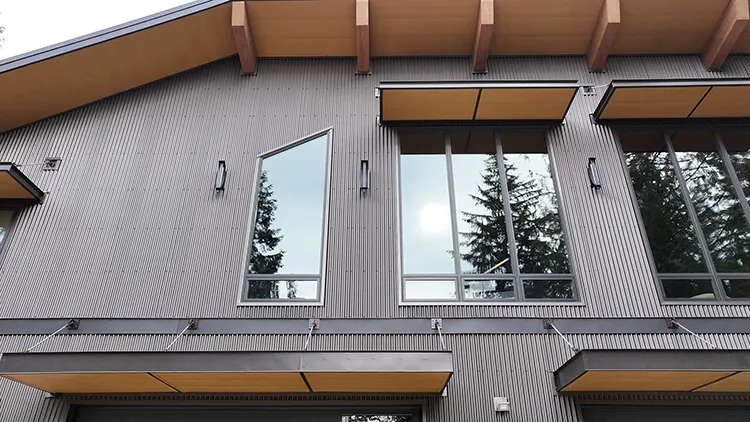
Fixed windows do not open. They are used where you want natural light but do not need ventilation. They are more thermally efficient than operable windows because there is no sash gap. In barndominiums and shop offices, fixed windows are often used for large picture windows or as upper-floor or clerestory windows that provide light without compromising the building envelope.
Sliding Windows
Sliding windows open horizontally. They are a practical choice for wide but not particularly tall openings, and they are commonly used in shop settings. They are easier to operate than crank-style windows in dusty or dirty environments where hardware can get gummed up over time.
Window Frame Materials: What to Ask Your Contractor
The frame material affects both the upfront cost and the long-term performance of your windows. Here are the main options.
| Frame Material | Advantages | Limitations |
| Vinyl (PVC) | Low cost, low maintenance, good thermal performance, widely available | Can warp or discolor in extreme heat; limited color options |
| Aluminum | Durable, low maintenance, slim frames, handles large spans well | Conducts heat and cold; can cause condensation in cold climates without thermal break |
| Fiberglass | Excellent thermal performance, dimensionally stable, very durable | Higher cost; less common in standard window packages |
| Wood | Classic appearance, good insulation, paintable for exact color match | Requires regular maintenance; susceptible to moisture damage if not maintained; higher cost |
For most pole barns and post-frame buildings in SSA’s service area, vinyl is the most common choice for budget to mid-range projects. Fiberglass and aluminum with thermal breaks are worth the upgrade cost in residential living areas, particularly in cold climates where condensation performance matters.
Glazing Options: Single, Double, and Triple Pane
The glazing is the glass portion of the window, and it has a major impact on energy performance.
Single-Pane Glazing
Single-pane windows are still used in some basic shop or agricultural buildings where the interior is not heated and energy performance is not a priority. They are lower cost upfront but provide essentially no insulation value. In any conditioned space, including a shop with a heater, single-pane windows will be a significant source of heat loss in winter and heat gain in summer.
Double-Pane Glazing
Double-pane windows are the standard for virtually any conditioned building. Two panes of glass with an insulating gas fill (usually argon) in between provide meaningfully better thermal performance than single-pane at a modest cost increase. For any heated shop, garage, barndominium, or pole barn home, double-pane is the baseline recommendation.
Triple-Pane Glazing
Triple-pane windows add a third layer of glass and a second insulating gas cavity. They perform significantly better than double-pane in very cold climates, which is relevant for SSA’s Montana, Colorado mountain, and northern Idaho service areas. The cost premium is real, but for a pole barn home or highly finished shop in a cold climate zone, the efficiency payoff is worth calculating.
Energy Ratings: What to Pay Attention To
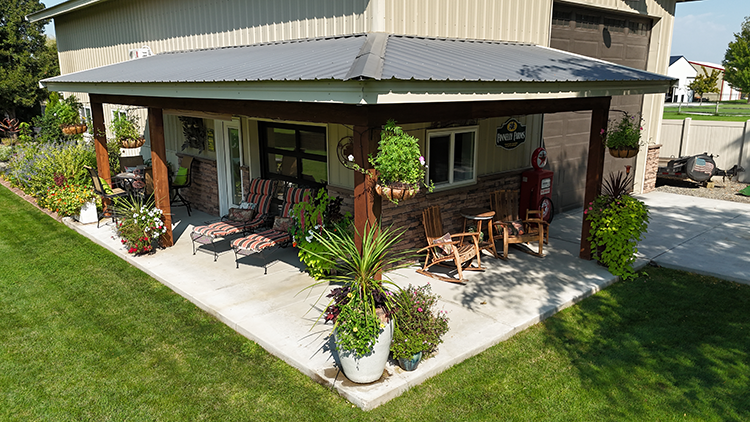
When your contractor specifies windows or you are reviewing a quote, two energy ratings matter most.
U-Factor
The U-factor measures how well the window insulates. Lower is better. A U-factor below 0.30 is good; below 0.22 is excellent for cold-climate applications. In Montana and the Colorado mountains, pushing for a lower U-factor in living spaces is a worthwhile upgrade.
Solar Heat Gain Coefficient (SHGC)
The SHGC measures how much solar heat comes through the glass. For buildings in cold climates where you want passive solar gain in winter, a higher SHGC on south-facing windows makes sense. For west-facing windows in hot summer climates, a lower SHGC reduces cooling loads. Your contractor should be able to match glazing specs to your window orientation.
Pole Barn Window Sizing: How Big Should Your Windows Be?
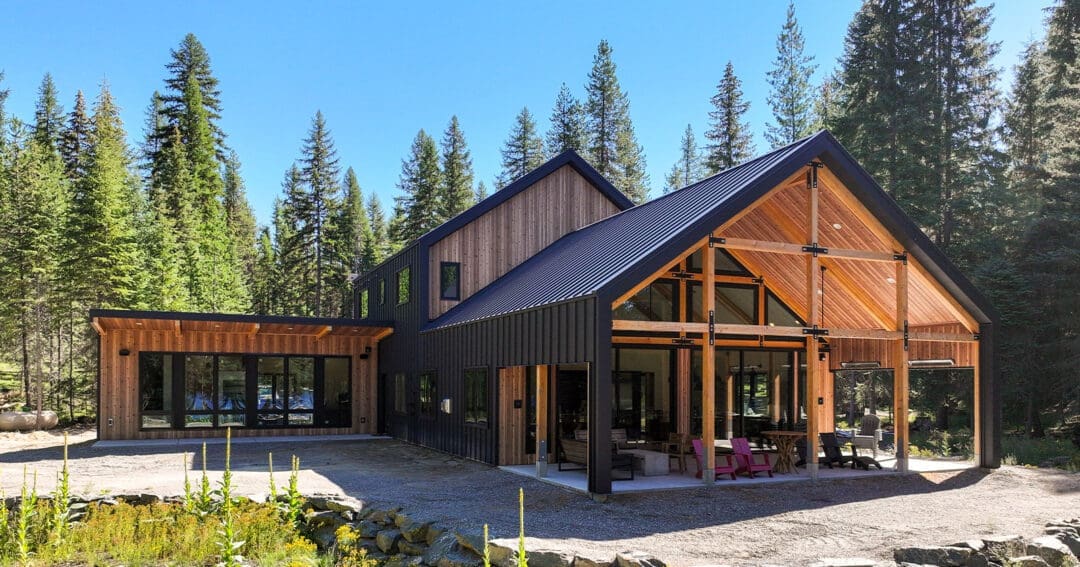
Window sizing in post-frame buildings is more flexible than in stick-built construction because the post-frame system does not rely on the window rough opening for structural support in the same way. This gives your builder more freedom to size windows to your preference rather than to standard stud spacing.
Here are some general sizing guidelines by building type.
Shop and Garage Buildings
- Functional lighting: plan for windows on at least two walls to reduce glare and provide even natural light.
- For a 40×60 shop, four to six windows of 36 to 48 inches wide is a typical starting point.
- Taller walls allow windows placed higher, which brings in light without interfering with wall-mounted equipment or storage.
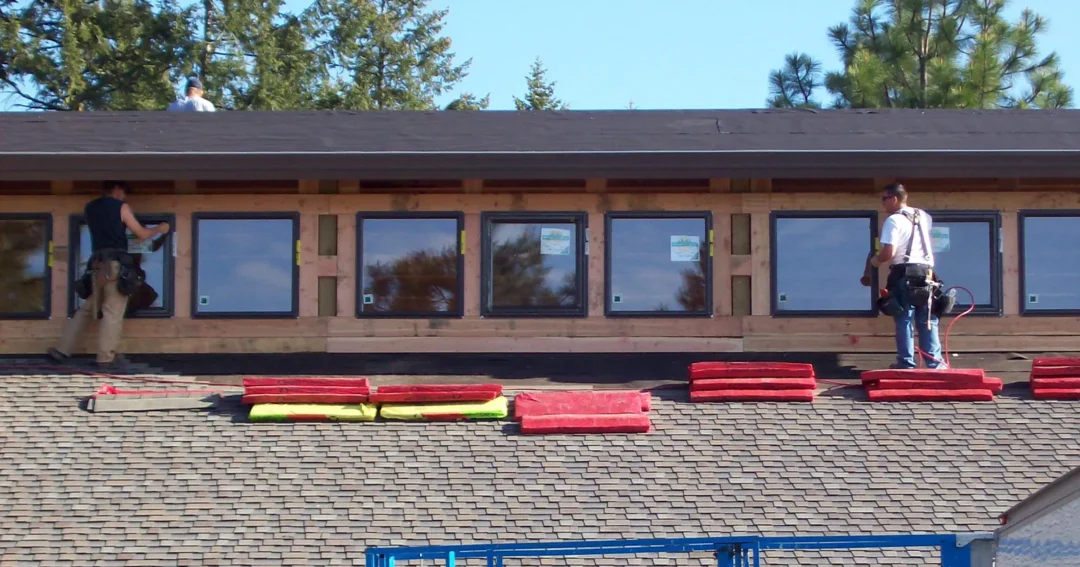
- Consider a row of fixed windows near the eave line for consistent ambient light without losing wall space.
Agricultural and Storage Buildings
- Minimal windows are typical and appropriate for pure storage use.
- For livestock buildings, ventilation windows that can be opened wide are more important than fixed glazing.
- Awning-style windows high on the wall work well in livestock settings because they let in air and light while staying above animal reach.
Residential Pole Barn Homes and Barndominiums
- Window planning in living spaces should follow general residential design principles.
- South-facing windows maximize passive solar gain in cold climates.
- Egress windows are required by code in bedrooms. Egress sizing is specific and your contractor must follow local code requirements.
- Larger windows in living rooms and kitchens significantly improve how the interior feels and lives.
- Avoid undersizing windows in finished living spaces to save money upfront. The difference in cost between a 30-inch and a 48-inch window is modest compared to the difference in how the room feels.
Window Placement: Getting the Position Right
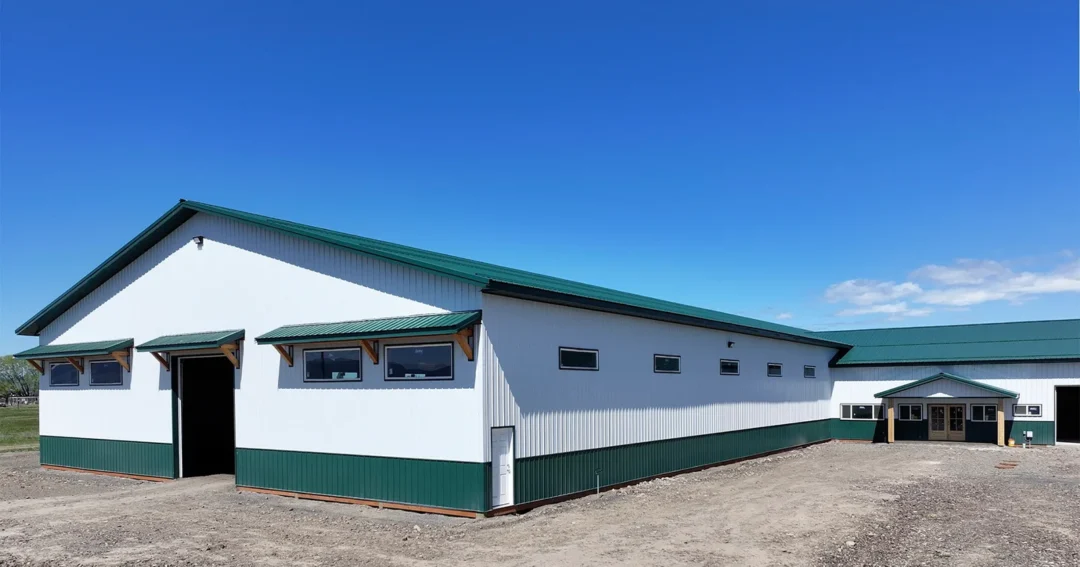
Where you put windows matters as much as what type you choose. These principles apply to most post-frame buildings.
- Place windows to bring in natural light from multiple directions. A building lit from one side feels dim and shadowy even with large windows.
- For working shops, avoid positioning windows directly in your sightline when facing your primary workbench. Glare is worse than no window at all.
- In cold climates, concentrate larger windows on the south side for passive solar benefit and use smaller windows on north-facing walls.
- Keep windows away from corners when possible. Corner placement creates structural complexity and can compromise the building envelope if not detailed carefully.
- Think about where equipment, shelving, or vehicles will be positioned inside the building. Windows should not compete with your use of wall space.
- If the building will have overhead doors, plan your window placement around the door header heights so windows line up cleanly and do not create awkward framing situations.
What Pole Barn Windows Cost
Window costs in post-frame buildings vary based on type, size, glazing package, and the number of windows in the building. Here is a rough sense of what to expect.
| Window Type | Approximate Installed Cost | Notes |
| Basic vinyl single-hung, double-pane | $300 to $600 per window | Standard shop and garage windows |
| Mid-grade casement or double-hung, double-pane | $500 to $900 per window | Living areas and barndominiums |
| High-performance fiberglass or triple-pane | $900 to $1,800+ per window | Cold climate living spaces, high performance builds |
| Large fixed picture windows | $700 to $2,000+ depending on size | Living rooms, great rooms, view-oriented spaces |
These are installed costs including labor. Actual pricing in your area will depend on local labor rates and what your contractor includes in their window package. Ask for an itemized window line item in your quote so you can see exactly what is included.
Questions to Ask Your Contractor About Windows

Windows are typically specified during the design phase and ordered with your material package. Once the framing is done, changing your window plan becomes significantly more expensive. Here is what to nail down early.
- What window brand and product line is included in your standard quote, and what does an upgrade look like?
- Are the windows double-pane as standard, or is that an upgrade?
- What U-factor and SHGC ratings do the included windows carry?
- How are windows installed in your buildings? Are they set flush with the exterior metal siding or inset with a reveal?
- How is the window-to-wall interface flashed and sealed to prevent air and water infiltration?
- If I want to add or enlarge windows from your standard plan, what does that cost?
- Are egress windows in bedrooms included and sized to code?
- Do the windows carry a manufacturer’s warranty, and what does it cover?
A Few Things Buyers Often Overlook
These are the window decisions that tend to come up late in the process when they should have been made earlier.
- Egress requirements: if any part of your building is a finished bedroom, the window in that room must meet egress code. This specifies minimum clear opening area, minimum height and width, and maximum sill height from the floor. Your contractor should know this, but verify it is in the plans.
- Window well framing: post-frame wall framing uses different rough opening details than stud framing. Your contractor needs to know window sizes before framing, not after.
- Exterior trim: the trim around your windows affects the look of the building significantly. Some builders include basic trim; others charge separately. Know what is in your quote.
- Interior sill depth: post-frame walls can be thicker than stud walls depending on the insulation system used. A deep wall means a deep interior sill, which can be a feature or an annoyance depending on how it is detailed.
- Window operation in dusty environments: shops with sawdust, grinding, or vehicle traffic get dirty fast. Casement and awning hardware can accumulate debris. Choose hardware appropriate for your environment.
Ready to Plan Your Pole Barn Windows?
Steel Structures America builds custom pole barns, shops, garages, and post-frame homes across Idaho, Washington, Oregon, Colorado, and Montana. We work through window placement, sizing, and specification during the design process so there are no surprises once construction starts.
If you are planning a build and want to talk through your window options, give us a call at (866) 839-0506 or request a quote online. Getting the windows right from the start makes a real difference in how your building looks and lives for decades to come.