
Pre-Engineered vs. Custom Metal Buildings: Which Is Right for You?
A pre-engineered metal building is one of the most popular ways to get a durable, versatile structure up fast without paying for a fully custom design. But for some projects, a custom metal building is the smarter investment. Understanding the difference between the two comes down to what your project actually needs in terms of size, timeline, flexibility, and budget.
This guide walks you through how both options work, where each one shines, and how to figure out which path makes sense for your build.
What Is a Pre-Engineered Metal Building?
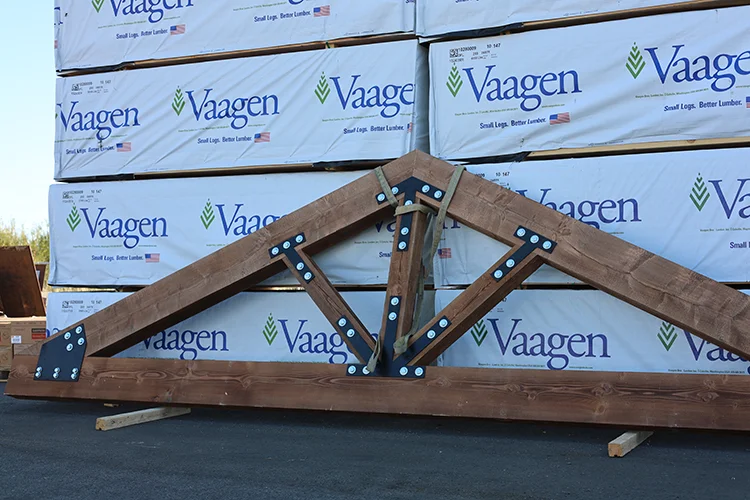
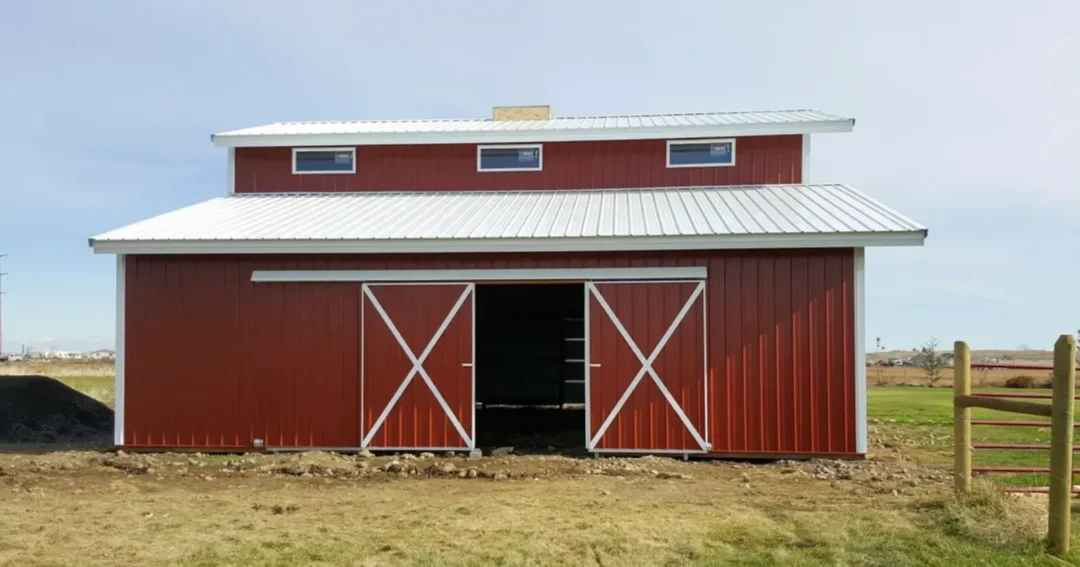
A pre-engineered metal building is designed and manufactured in a factory, then shipped to your site as a package of components ready to assemble. The structural system, framing, roofing, and siding are all designed together as a coordinated system, typically using standard dimensions and proven load configurations.
Pre-engineered steel buildings have been around for decades and are the go-to choice for everything from agricultural storage to warehouses to retail buildings. The term ‘pre-engineered’ doesn’t mean generic. It means the engineering work was done in advance for a set of well-tested design parameters, which is what allows manufacturers to offer faster lead times and more competitive pricing.
Common applications include:
- Equipment storage and farm shops
- Warehouses and distribution buildings
- Retail and light commercial buildings
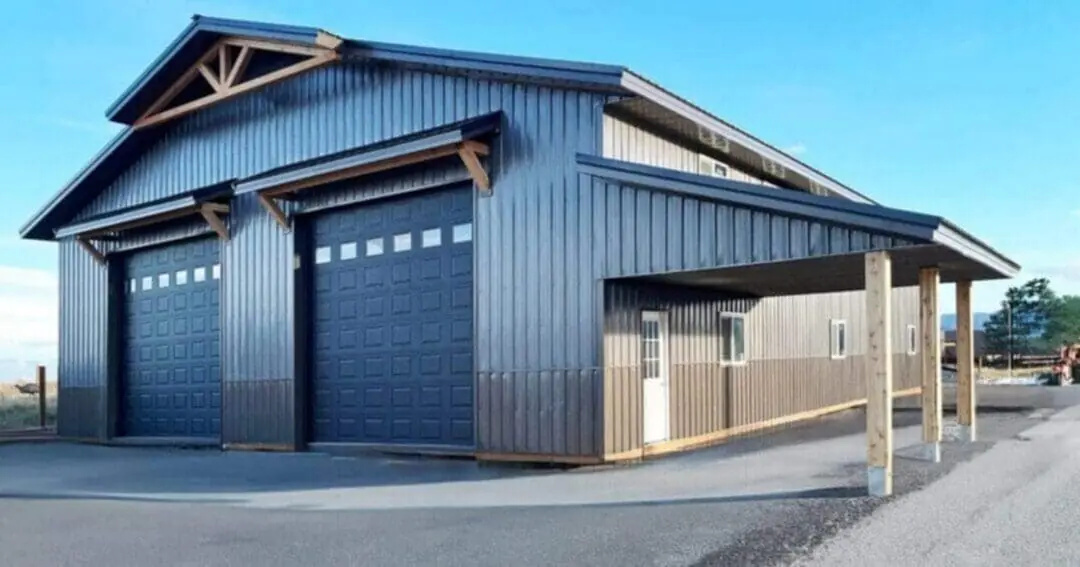
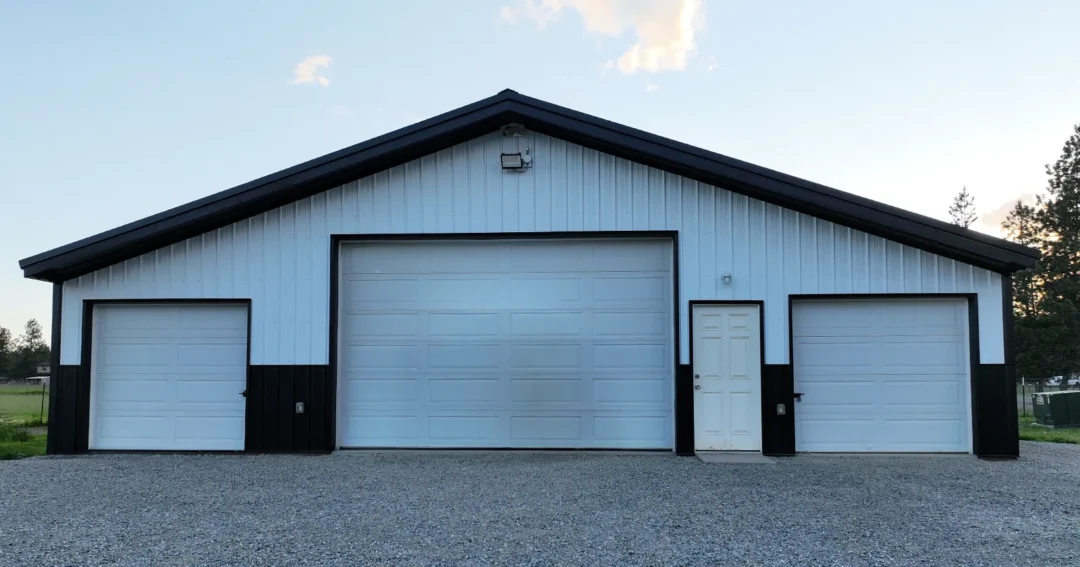
- Garages and hobby shops
- Churches and community buildings
What Is a Custom Metal Building?
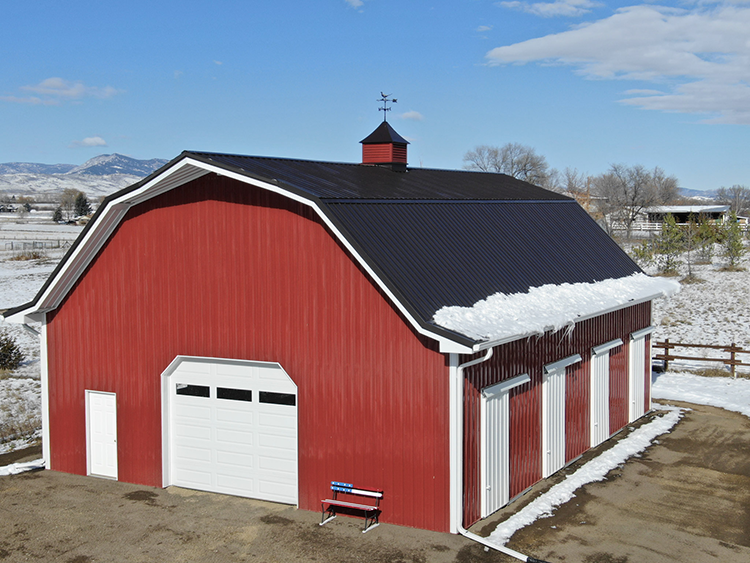
A custom metal building starts from scratch. An engineer designs the structural system specifically for your project based on your dimensions, intended use, local building codes, snow and wind load requirements, and any unique features you need.
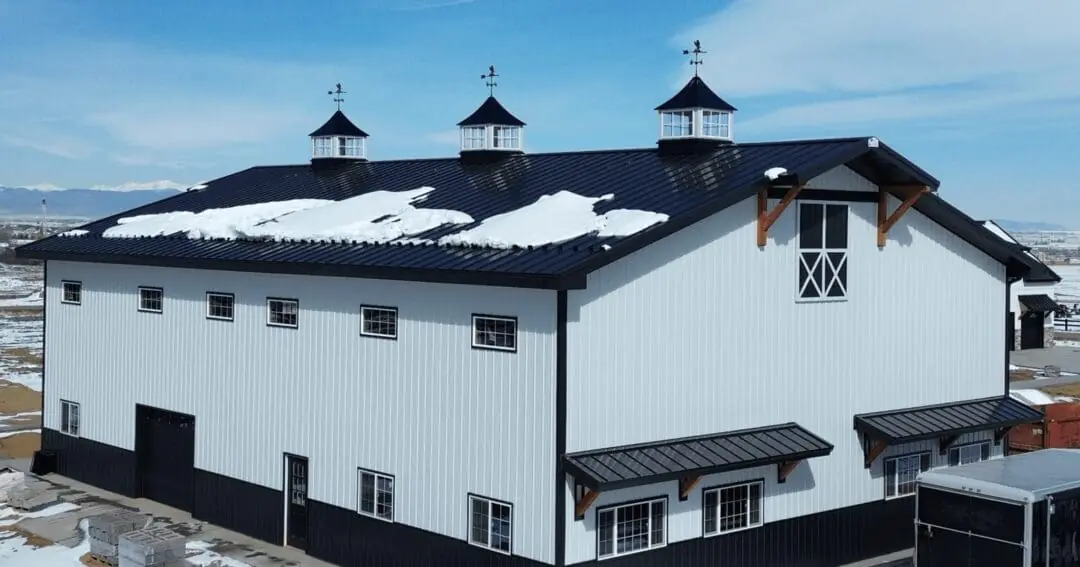
Custom metal buildings are the right call when your project doesn’t fit within standard parameters. That might mean unusual dimensions, mixed-use spaces with different load requirements, specialty clearspan spans, architectural features, or specific foundation conditions that require a non-standard approach.
Custom designs take longer and cost more upfront, but for the right project they’re the only way to get exactly what you need.
Pre-Engineered vs. Custom Metal Buildings: The Core Differences
| Factor | Pre-Engineered | Custom Metal Building |
| Lead Time | 6 to 14 weeks typical | 12 to 24+ weeks |
| Price | Lower starting cost | Higher starting cost |
| Design Flexibility | Standard options | Nearly unlimited |
| Engineering Drawings | Included in package | Custom-designed |
| Best For | Standard spans and uses | Unique or complex projects |
| Erection | DIY-friendly kits available | Usually contractor-installed |
Cost: Which Option Is Cheaper?
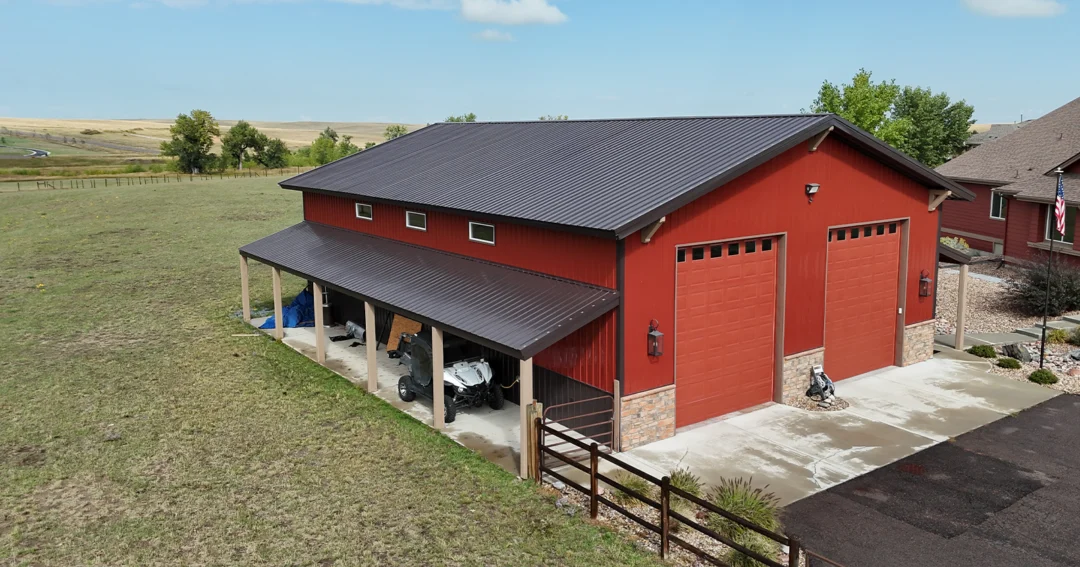
Pre-engineered metal buildings typically have a lower starting cost because the engineering, detailing, and manufacturing processes are already optimized. When a manufacturer produces hundreds of similar buildings, they get efficient at it, and that efficiency gets passed on to the buyer.
Custom metal buildings cost more at the design and engineering stage because you’re paying for original work. However, if a custom building allows you to use your site more efficiently, incorporate features that add real value, or avoid costly workarounds down the road, the upfront premium often makes sense.
The honest answer is that cost comparison depends heavily on project scope. A straightforward 40×60 shop is almost always cheaper as a pre-engineered package. A 120×200 clearspan facility with a mezzanine and crane system might actually be more cost-effective as a fully custom design because pre-engineered options at that complexity level start to require significant modifications anyway.
Lead Time: How Long Will Each Option Take?
Pre-engineered metal building packages typically run 6 to 14 weeks from order to delivery depending on the manufacturer and how busy their production schedule is. Because the designs are already engineered, the manufacturing process moves quickly.
Custom metal buildings take longer, often 12 to 24 weeks or more depending on design complexity. An engineer has to do original work, drawings go through review and approval, and production can’t start until that process is complete.
If your project has a hard deadline, a pre-engineered package is usually the safer bet for timeline predictability.
Design Flexibility: What Can You Actually Change?
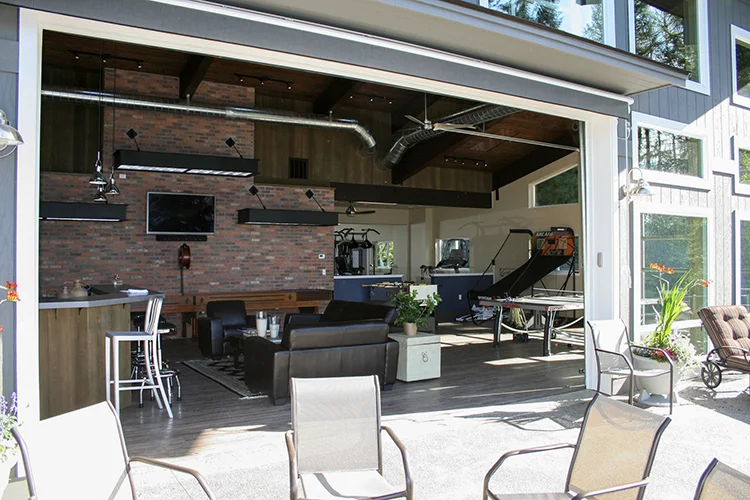
Pre-engineered metal buildings offer more flexibility than most people realize. Standard packages typically allow you to choose from a range of widths, lengths, heights, roof pitches, door openings, window placements, insulation options, and color combinations. Within those parameters, you have real room to customize.
Where pre-engineered buildings run into limits is when you need something that falls outside the standard design envelope. Very wide clearspans, irregular bay spacing, multiple roof lines, or complex foundation requirements can push a project beyond what the standard package can handle cleanly.
Custom metal buildings have nearly unlimited design flexibility. If you can draw it and it meets code, it can be built. That flexibility is the main reason commercial developers and buyers with unusual projects lean toward custom.
Steel Building Packages: What Comes in the Box?
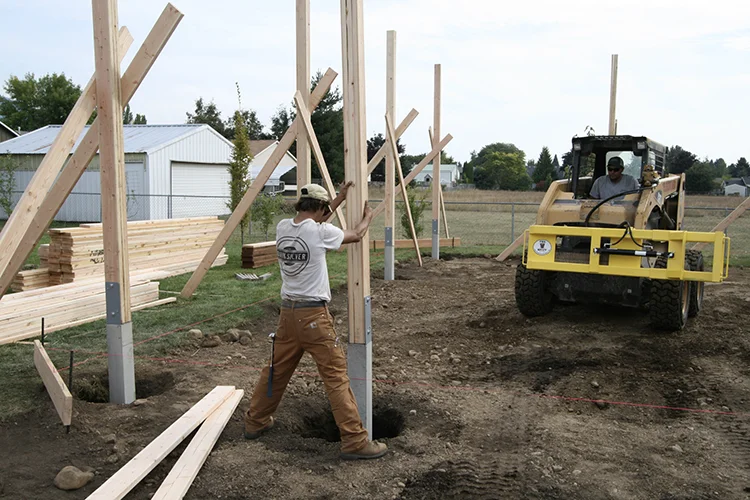
When you order a pre-engineered steel building package, you’re typically getting a complete set of structural components including primary framing, secondary framing, roofing panels, wall panels, trim, fasteners, and engineering drawings stamped for your state. Better packages include anchor bolts and base plates as well.
What packages generally don’t include: site prep, foundation, erection labor, doors, windows, insulation, electrical, or interior finish work. Understanding exactly what’s in and out of scope before you sign is critical for accurate budgeting.
Custom metal building contracts can be structured differently. Some are materials-only, some include engineering and erection, and some are full design-build packages. Make sure you know what you’re comparing when you get quotes.
Metal Building Kit vs. Turnkey: Different Decision Entirely
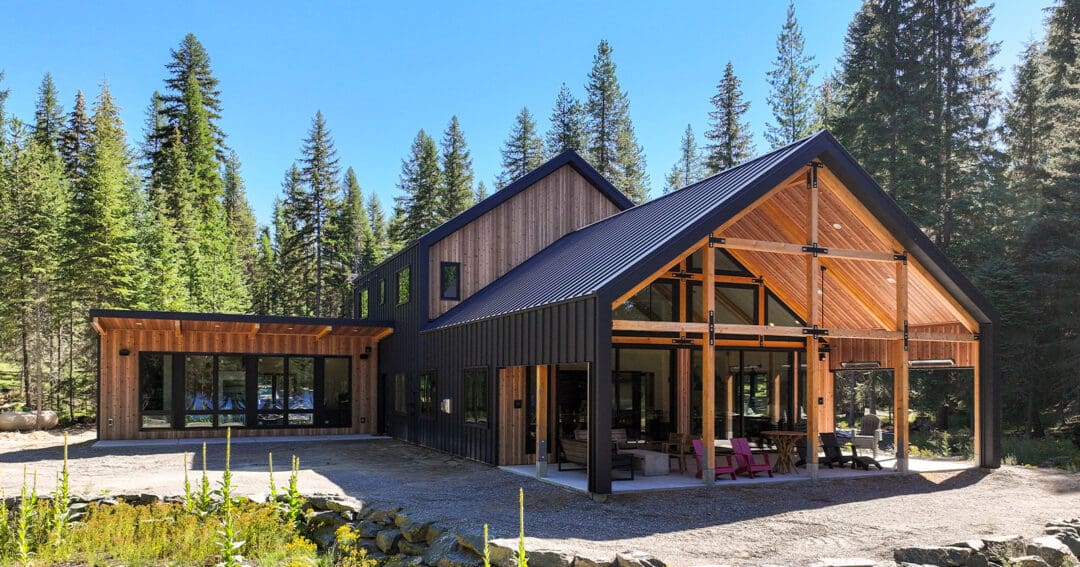
It’s worth separating the pre-engineered vs. custom question from the kit vs. turnkey question, because they’re not the same thing.
A metal building kit means you’re purchasing the components and either erecting them yourself or hiring a separate crew to do it. A turnkey metal building means a contractor handles the full project from site prep to final inspection.
Pre-engineered buildings are available as both kits and turnkey projects. Custom metal buildings are almost always turnkey because the complexity typically isn’t suited to DIY installation.
If you’re comparing a pre-engineered kit to a turnkey custom build, you’re mixing two variables at once. It’s cleaner to decide first whether your project needs pre-engineered or custom, then decide how you want to handle the construction side.
Which Is Better for Commercial Projects?
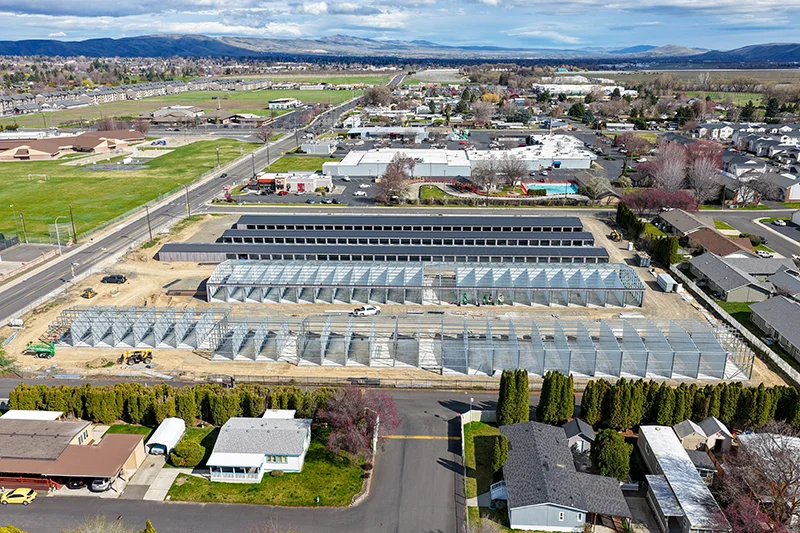
For most standard commercial applications like warehouses, retail buildings, self-storage, and agricultural facilities, pre-engineered buildings deliver strong value. They’re code-compliant, well-tested, and faster to permit because the engineering documentation is already prepared.
For larger or more complex commercial projects, custom metal buildings allow developers to maximize usable space, meet specific operational requirements, and integrate architectural features that a standard package can’t accommodate.
Many commercial buyers end up working with a builder who sources pre-engineered packages and then customizes the finish work, doors, insulation, and interior layout. This hybrid approach captures most of the cost and timeline benefits of a pre-engineered system while still getting a building tailored to their needs.
Which Option Does Steel Structures America Offer?
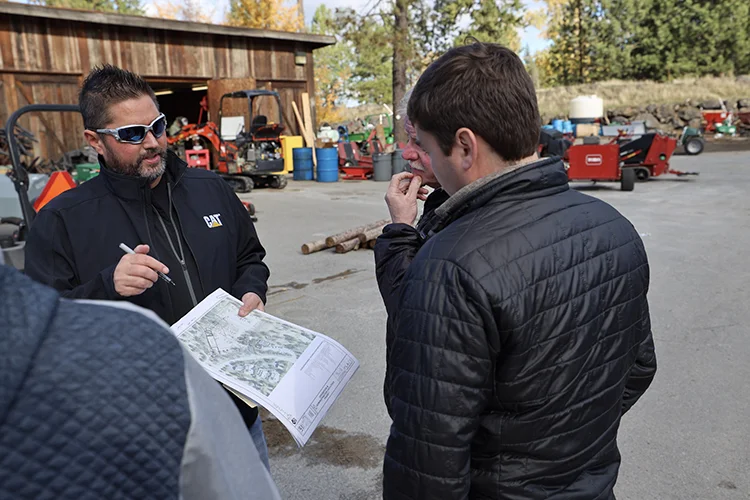
At Steel Structures America, we work with both pre-engineered and custom metal building systems depending on what your project calls for. We serve buyers across Idaho, Washington, Oregon, Colorado, Montana, and surrounding states, and we know that a one-size-fits-all approach doesn’t work for the range of projects we see.
If you have a clear picture of what you need and it fits standard parameters, a pre-engineered package is often the fastest and most cost-effective path. If your project is complex, your site has unusual conditions, or you need something outside the standard design envelope, we’ll work with you on a custom solution.
The best way to figure out which direction makes sense for your build is to get a quote on both and compare. Contact our team and we’ll walk you through the options specific to your project.
Final Thoughts: Pre-Engineered vs. Custom
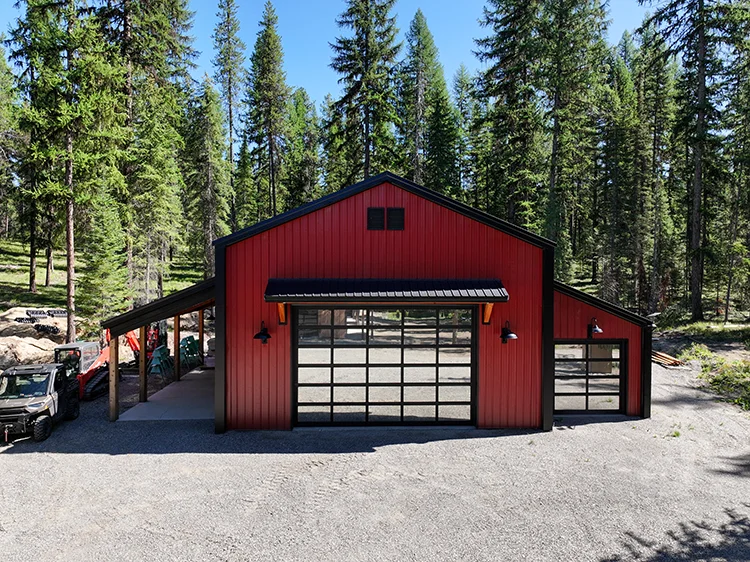
For most buyers, a pre-engineered metal building hits the sweet spot of cost, timeline, and flexibility. The engineering is already done, the components are proven, and the process from order to delivery is predictable.
Custom metal buildings are worth the extra investment when your project genuinely needs it. Unusual dimensions, complex use cases, and specific site conditions are all good reasons to go the custom route.
Either way, work with a builder who is transparent about what’s included in the package and what’s not. That’s where a lot of budget surprises happen, and you want to know the full picture before you commit.