
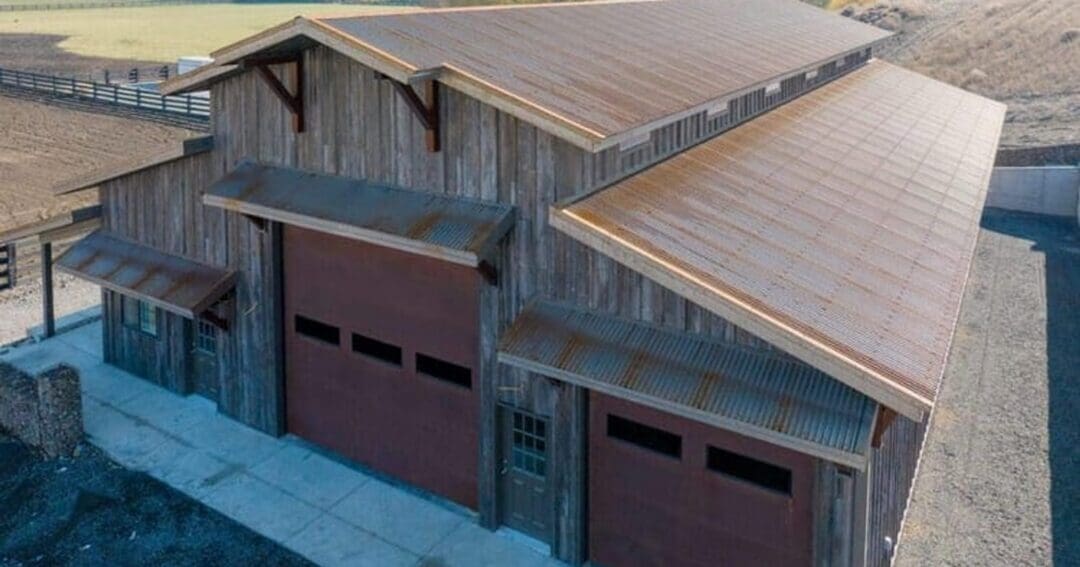
Metal Roof Ridge Cap: Installation, Materials & Maintenance
The metal roof ridge cap is the small but important piece that seals the peak where two roof panels meet. It’s not optional, and getting it right keeps water out of your building for decades.
Here’s what happens if it fails: water runs into the attic, condensation builds, and rust starts from the inside out. A well-installed metal roof ridge cap stops that. Let’s go through what you need to know.
What Does a Metal Roof Ridge Cap Do?
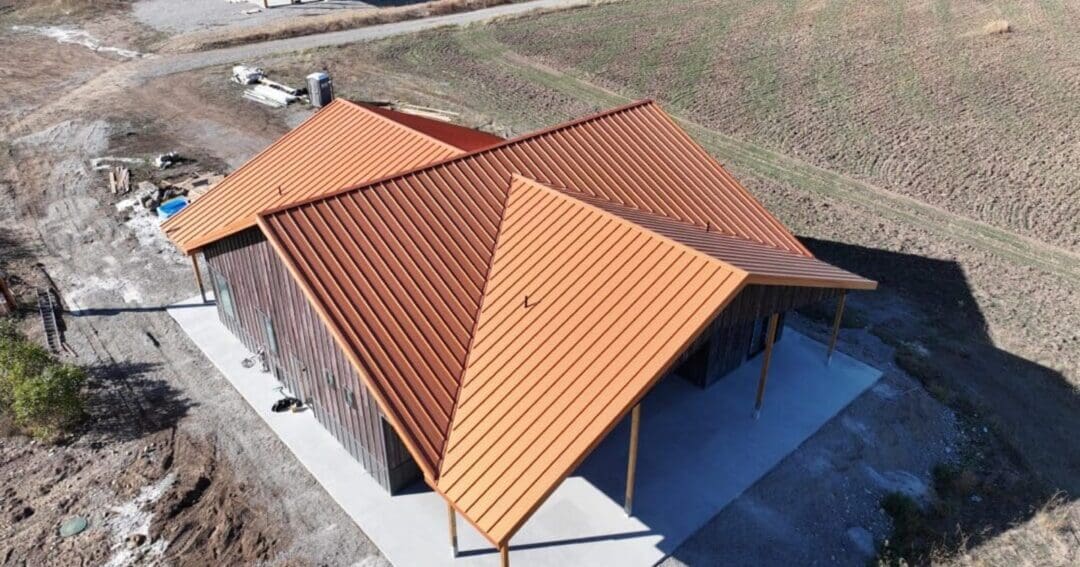
At the peak of your roof, two sloped panels meet at an angle. That joint is a direct path for rain. A metal roof ridge cap is a U-shaped or J-shaped metal channel that sits over the peak, overlaps both panels, and slopes down slightly so water sheds off instead of pooling.
It’s also the finishing detail. A metal roof with no ridge cap looks half-done. A properly finished ridge cap looks intentional and professional.
Metal Roof Ridge Cap Materials
Ridge caps come in the same gauges and finishes as your roof panels.
29-gauge steel is the thinnest and cheapest. It’s what a basic metal roof gets. It works fine in low-snow areas. In heavy snow or ice-dam climate, it can flex and leak.
26-gauge steel is the sweet spot. Stronger than 29, doesn’t flex in wind or under snow load, and it’s not expensive. This is what most metal buildings use.
24-gauge steel is heavy-duty. Used in high-snow regions, windy sites, or when the roof carries a lot of foot traffic for maintenance. It costs more but it won’t flex and it lasts longer.
Finishes match your roof: WeatherXL SMP (standard colors), PVDF (premium), wood-look prints, or bare Cor-Ten. Choose the finish that matches your panels so everything looks like one piece.
Material thickness matters more than the finish. A thin 29-gauge ridge cap with premium paint will fail before a 26-gauge ridge cap with standard paint.
How Metal Roof Ridge Caps Are Installed
Installation is straightforward, but it has to be done right or the whole roof leaks.
Step 1: Fit the cap. The ridge cap is custom-formed to match your roof pitch and the profile of your panels. It slides over the peak with a slight lip on each side that overlaps the top of the side panels.
Step 2: Fasten it. The cap is screwed down to the trusses (not just the panels) using stainless steel or coated fasteners. Fasteners go through pre-drilled holes, and every hole gets a rubber washer to seal and prevent rust.
Step 3: Seal the fasteners. Each screw head gets a dab of roofing sealant (usually silicone) to prevent water from running down the fastener hole.
Step 4: Deal with the ends. The cap ends at both roof peaks. Metal end caps get welded or riveted on to close the gap. Do this wrong and water seeps into the ends and runs down inside the building.
If your contractor doesn’t talk about end caps, that’s a red flag. They matter.
Common Metal Roof Ridge Cap Problems
Leaking at the ends. If the end caps aren’t sealed properly, water runs in the ends of the ridge cap channel and finds its way into the building. This is the number-one cause of ridge cap failure we see.
Fasteners backing out. Metal expands and contracts with temperature. If fasteners aren’t locked down (usually with a nylon or adhesive lock washer), they can work themselves loose. After a few winters, they back out and create gaps.
Sealant failing. The silicone sealant around fasteners hardens and cracks after 8 to 12 years. When it does, water gets in around the fasteners. It’s worth inspecting every 10 years and re-sealing.
Wrong gauge installed. A contractor who installs 29-gauge ridge cap on a snow-load building in Montana is taking a shortcut. Snow load will flex the thin cap, fasten pull loose, and leaks start in year 3 or 4.
Corrosion at joints. If the ridge cap and panels don’t match in material (like mixing galvanized steel cap with Cor-Ten panels), galvanic corrosion can start where they touch. It’s not common with modern coatings, but it’s real.
Metal Roof Ridge Cap Maintenance
A well-installed ridge cap needs almost no maintenance.
Every 2 years: Walk the roof (safely, or have a contractor do it) and look for loose fasteners, cracked sealant, or debris piled at the ridge. Clean out any moss or algae buildup.
Every 10 years: Have a contractor inspect the sealant around fasteners and re-seal if it’s cracked. This is cheap insurance.
After storms: Check for hail damage or fasteners loosened by high wind. Metal roof ridge caps are tough, but a direct hail hit or limb damage does happen.
If your building is in a coastal area or high-salt environment, the coating on the metal can degrade faster. Plan for more frequent inspections.
Choosing the Right Metal Roof Ridge Cap for Your Building
The right ridge cap depends on your climate and your budget.
In low-snow areas (under 30 psf): 26-gauge is standard. 29-gauge works if the contractor uses heavier fasteners and solid end caps.
In snow country (30-50 psf): Use 26-gauge or 24-gauge. Don’t skimp here. A leaking ridge cap in winter becomes a big repair in spring.
In high-wind areas: 26-gauge minimum. Wind pushes up on the edges and can flex a thin cap. Secure end caps are critical.
Finishes: Match your roof. If your roof is WeatherXL, the cap should be WeatherXL. If it’s wood-look, use wood-look cap. They age together.
Your contractor should recommend the right gauge and finish. If they don’t mention ridge cap gauge or seal method, ask. It’s a small detail that makes a huge difference.
Metal Roof Ridge Cap vs. Other Roofing Systems
If you’re comparing roofing types:
Metal roofing with ridge caps lasts 40+ years, can handle heavy snow and wind, and is recyclable. The ridge cap detail is simple and reliable when done right.
Asphalt shingles need a different ridge cap (asphalt ridge shingles). They last 15 to 25 years and need regular maintenance. Easier to install initially but more upkeep.
TPO or rubber roofing (commercial flat roofs) handle ridge caps differently—usually thermowelds them or uses a metal cap over the seam. Different system, but same goal: seal the peak.
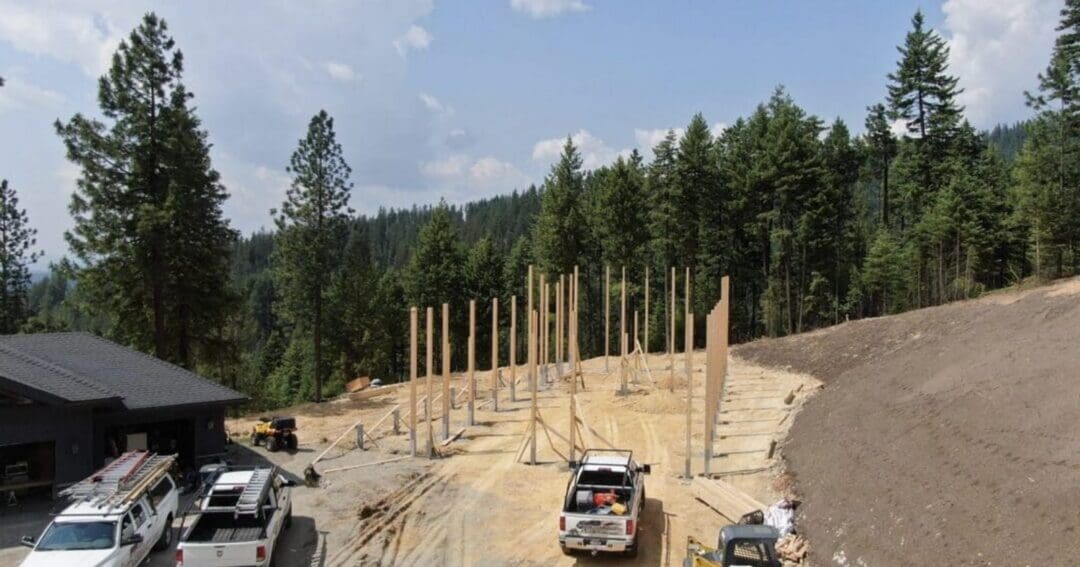
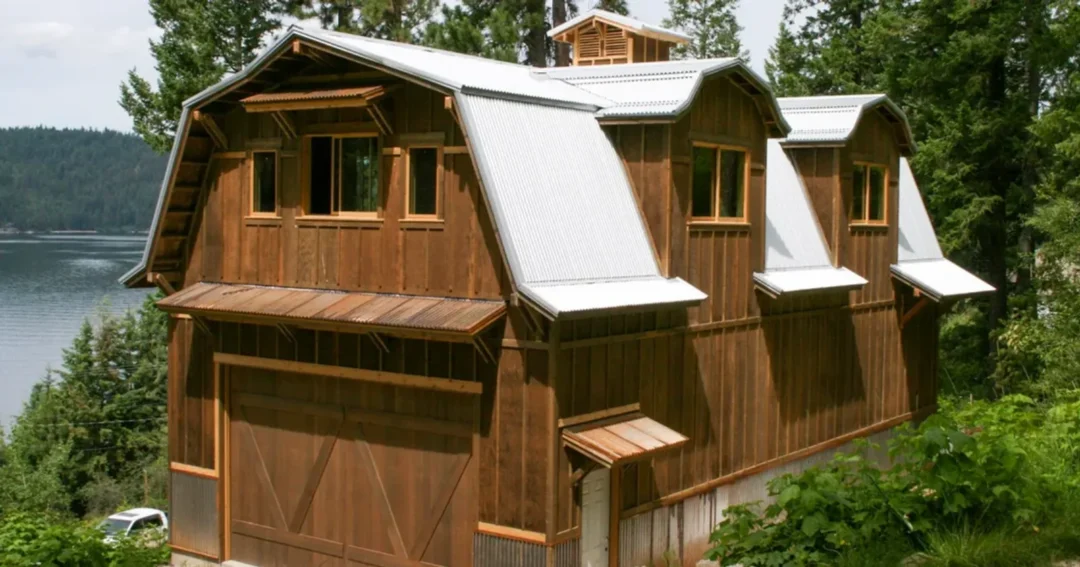
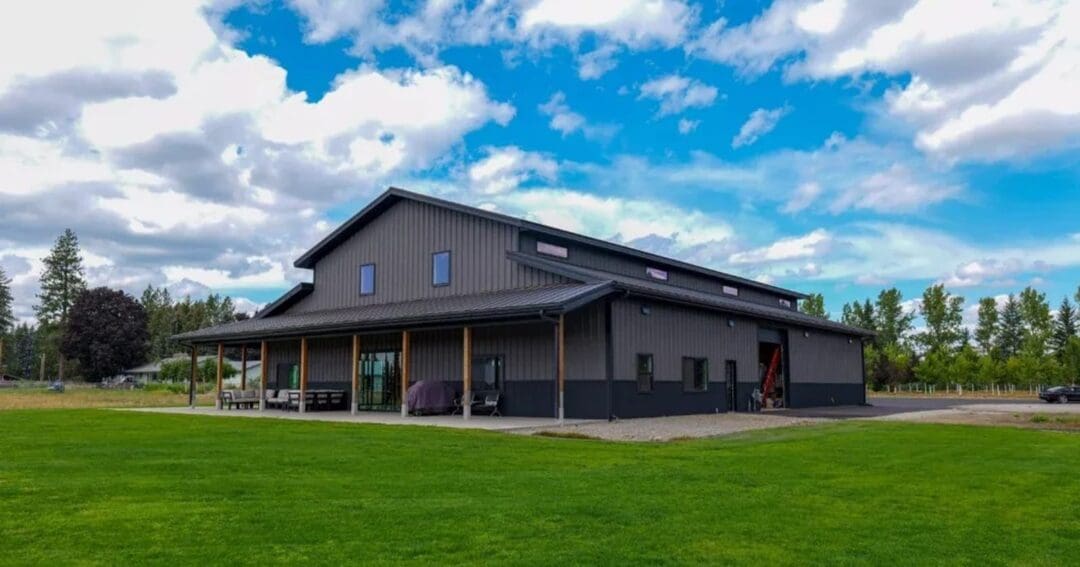
For a metal building or pole barn, a metal ridge cap is the standard because it matches the panels and lasts as long as the roof.
FAQ
Can you replace a metal roof ridge cap without replacing the whole roof?
Yes. A ridge cap can be unbolted and replaced in half a day. You won’t need to touch the panels. Just make sure the new cap matches the finish of your existing roof or the contrast will be obvious.
What happens if you don’t have a ridge cap?
Water will find its way down into the building. It might take a year or two, but condensation and slow leaks will damage the interior. Every metal roof needs a ridge cap.
How often do metal roof ridge caps need replacing?
If installed correctly with the right gauge, a metal ridge cap lasts 40+ years—the same as the roof panels. You might need to re-seal fasteners every 10 to 15 years, but the cap itself doesn’t wear out.
Do different roof profiles need different ridge caps?
Yes. A corrugated roof cap doesn’t fit a standing-seam roof. Each profile has a specific ridge cap shape. Your contractor will order the right one. Don’t assume they’re interchangeable.
Bottom Line
A metal roof ridge cap is small, but it’s critical. The right gauge, proper fastening, sealed end caps, and regular inspection keep your roof dry for decades. It’s the kind of detail that separates a contractor who cuts corners from one who builds it right the first time.
If you’re building a post-frame structure or metal building and want to understand how the ridge cap should be done, give us a call at (800) 833-9997. We design and build every detail to last.