
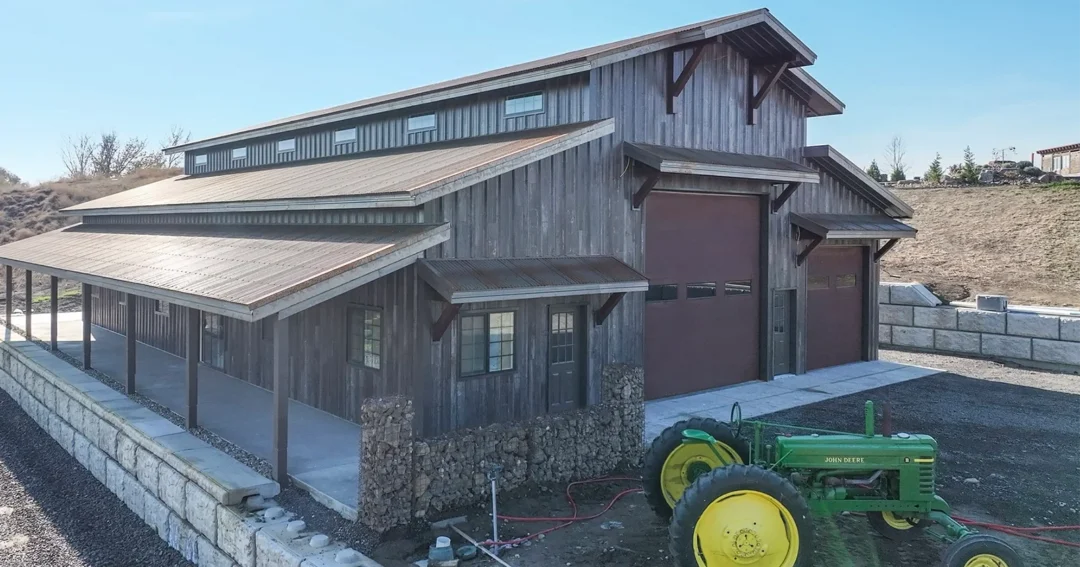
Pole Barns: The Complete Guide to Post-Frame Buildings
Pole barns are one of the most practical and cost-effective building solutions available today, and if you’ve landed here, you’re probably wondering whether one is the right fit for your property. Whether you’re looking to protect equipment, build a shop, house livestock, or even create a combined living and working space, a pole barn might be exactly what you need.
In this guide, we’ll walk you through everything: what a pole barn actually is, how post-frame construction works, what you can use one for, what they typically cost, what sizes are available, and how to find the right contractor to get the job done.
What Is a Pole Barn?
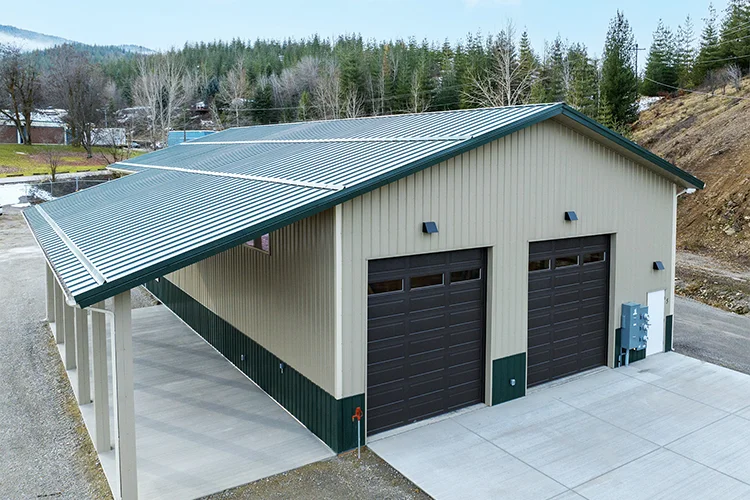
A pole barn (also called a post-frame building or pole building) is a structure built around a framework of large vertical posts or poles that are anchored into the ground or set on concrete footings. These posts carry the load of the roof and walls, which means the building doesn’t need a traditional concrete foundation or a network of interior load-bearing walls.
The result is a wide-open, clear-span interior that’s highly flexible and relatively fast to build. That combination of structural simplicity, open interior space, and lower cost per square foot is what’s made pole barns so popular across the country for decades.
The term ‘pole barn’ is the most common name you’ll hear, but you may also see these buildings referred to as post-frame buildings, post-frame structures, or pole buildings. They all describe the same construction method.
How Are Pole Barns Built? A Quick Look at Post-Frame Construction
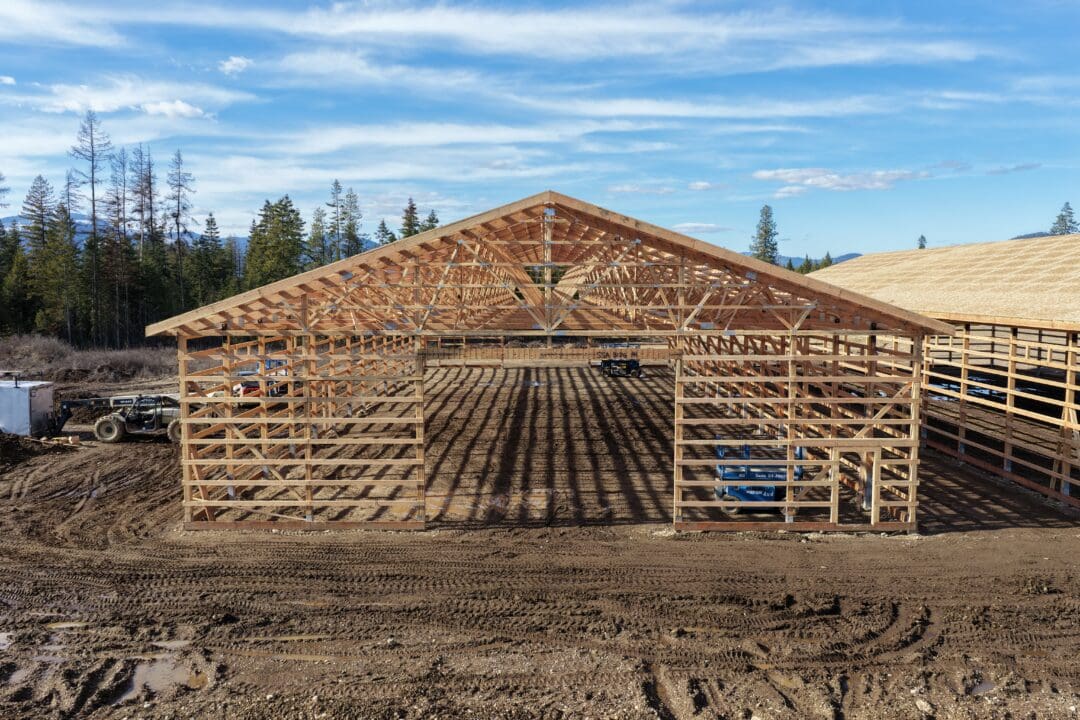
The core of any pole barn is its post-frame system. Here’s how it comes together at a high level:
- Large structural posts (typically laminated lumber or engineered columns) are set into the ground or anchored to concrete footings at regular intervals.
- Horizontal girts run between the posts along the walls to provide structure for siding attachment.
- Roof trusses span between the posts at the top, forming the roof structure.
- Metal roofing and siding panels are attached to the frame, creating the exterior shell.
Because the posts carry the structural load, pole barns don’t require a full perimeter concrete foundation the way a traditional stick-built structure does. That’s a significant cost savings, and it also means these buildings can go up quickly compared to other construction methods.
We go deeper into the details of post frame construction in this article.
What Are Pole Barns Used For?
One of the biggest advantages of a pole barn is how adaptable it is. The same basic building system can be configured for a huge range of uses. Here are the most common applications:
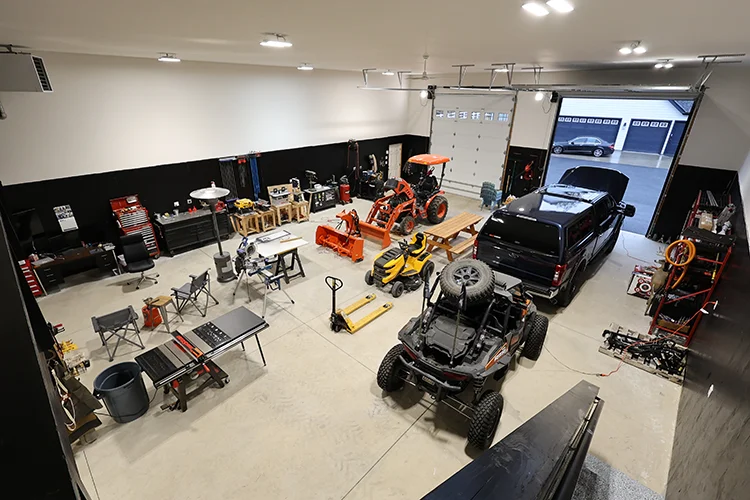
Hobby Shops and Toy Storage
If you’ve got an RV, boat, side-by-side, classic car collection, or a serious hobby workshop, a pole barn is one of the best ways to protect your investment and give yourself a proper space to work. Acreage owners especially love the ability to build a large, purpose-built shop with tall overhead doors and a wide clear-span interior.
Garages and Vehicle Storage
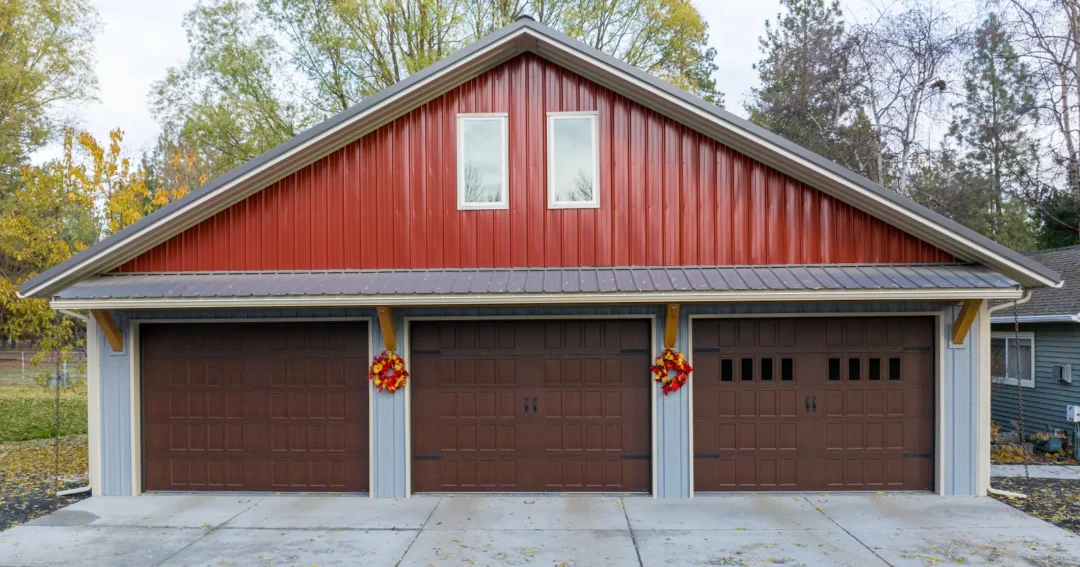
From two-car detached garages to large multi-vehicle shops, pole barns are a popular choice for residential garage buildings. You can design them with multiple overhead doors, plenty of ceiling height for lifts, and extra space for a workshop area.
Barndominiums and Living Quarters
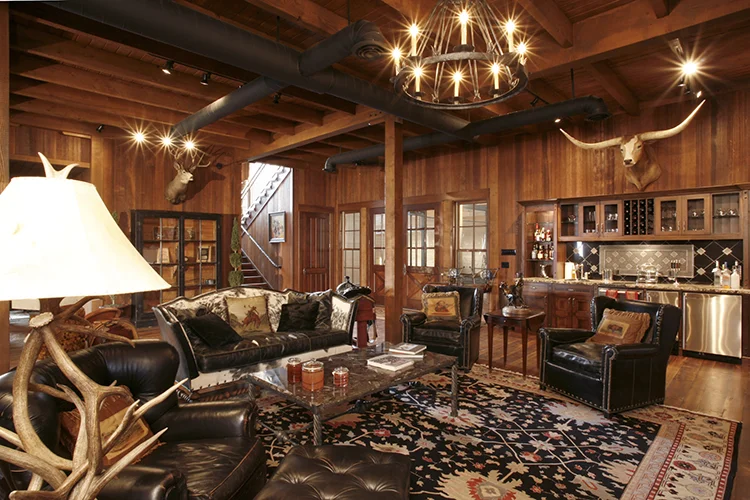
Barndominiums, or homes that combine a living area with a shop or garage space, are one of the fastest-growing segments in residential construction. Post-frame construction is a natural fit for this building type, offering open floor plans, flexible layouts, and a lower cost per square foot compared to traditional home construction. A well-designed barndominium can give you the home and the shop all under one roof.
Agricultural Buildings
Pole barns have been a staple of farm and ranch operations for generations. They’re used to store equipment, shelter livestock, store hay and grain, and provide covered workspace on farms of all sizes. The large clear-span interior and tall ceilings are ideal for tractors, combines, and other large machinery. Read more about agricultural buildings here.
Contractor Shops
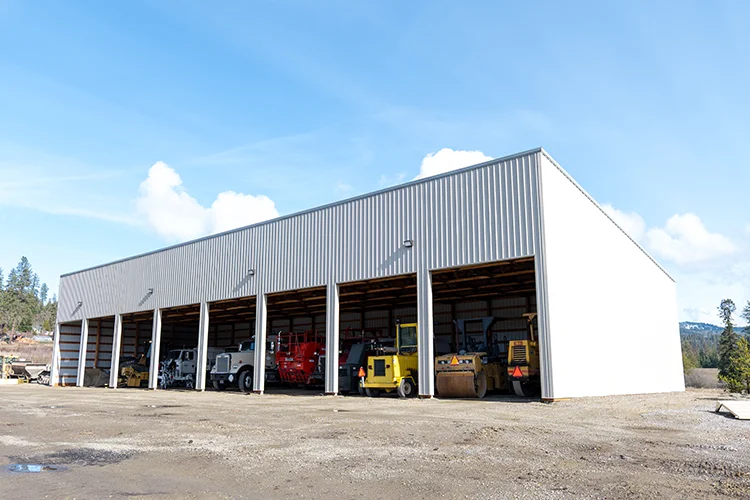
Small business owners and contractors frequently build pole barn shops to store their trucks, trailers, and equipment, create a centralized workspace, and operate their businesses efficiently. A well-built contractor shop protects valuable equipment and gives a business a professional home base.
Commercial and Storage Buildings
Pole barns are widely used for commercial purposes in warehouses, self-storage facilities, equipment yards, and light industrial buildings. The ability to build large clear-span spaces quickly and cost-effectively makes them an attractive option for business owners and commercial property investors.
Pole Barn Sizes: What’s Available?
Pole barns are highly customizable when it comes to size. There’s no single ‘standard’ size. Buildings are typically designed around the owner’s specific needs and the footprint available on the property.
That said, here’s a general look at the size ranges commonly built for different uses:
| Use Type | Typical Size Range |
| Small hobby or storage | 20×24 to 30×40 |
| Two to three car garage | 24×30 to 30×50 |
| Large hobby shop or farm building | 40×60 to 50×80 |
| Barndominium or shouse | 40×60 to 60×100+ |
| Contractor shop | 40×60 to 80×100+ |
| Commercial or agricultural | 60×100 to 80×200+ |
Keep in mind that the sizes listed above are just starting points. Every property and project is different, and the right size depends on what you’re storing, how you plan to use the space, and your site’s specific requirements. To go into more detail, we have a guide on pole barn sizes here.
How Much Does a Pole Barn Cost?
Cost is one of the first questions most people have, and the honest answer is: it depends on a lot of factors. That said, here’s a general ballpark to give you a starting point.
| Building Type | Typical Cost Range |
| Basic storage or equipment building | $15 – $25 per sq ft (materials + labor) |
| Finished hobby shop or garage | $25 – $40 per sq ft |
| Barndominium with living quarters | $50 – $100+ per sq ft |
| Commercial or agricultural building | $20 – $35 per sq ft |
These are rough estimates. Your final cost will depend on the size and height of the building, local material and labor costs, the level of finish (insulation, electrical, concrete floors, overhead doors, etc.), your site conditions and any site prep needed, and the type of foundation system used.
Pole Barn Foundations: In-Ground Posts vs. Concrete Systems
One of the most important decisions you’ll make when planning a pole barn is how the posts will be anchored. There are two primary approaches:
In-Ground Posts
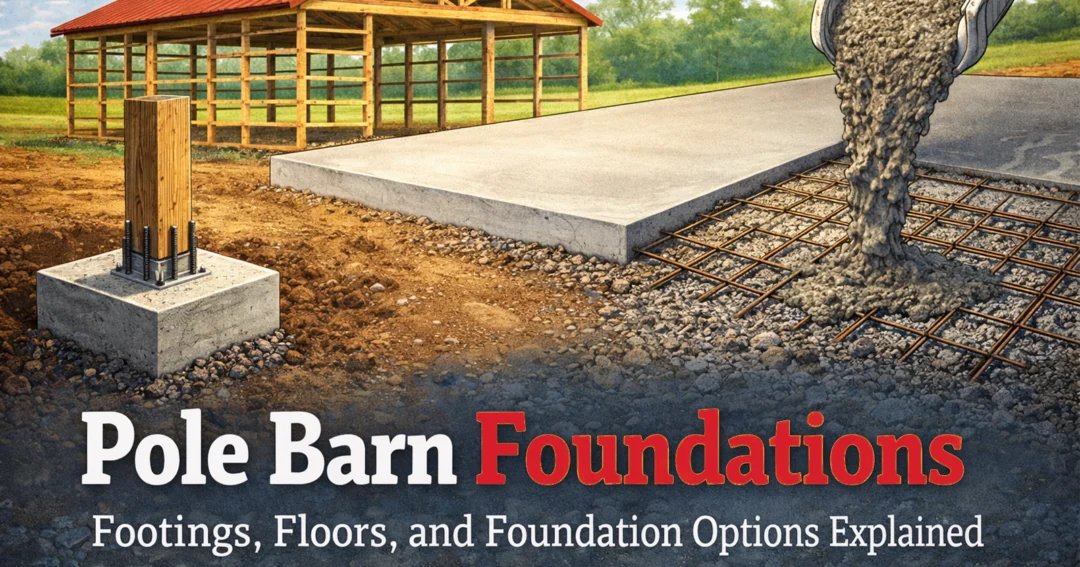
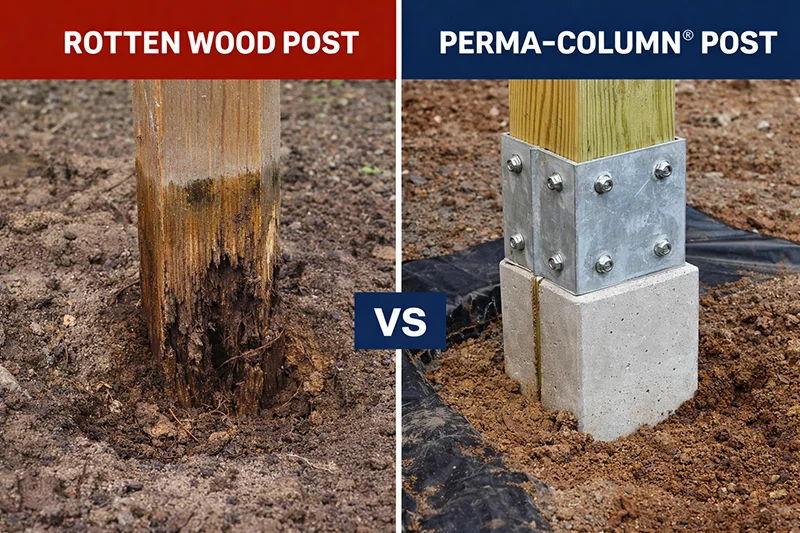
The traditional method involves setting treated wood posts directly into the ground. This is the most common approach and typically the most affordable. Treated posts are designed to resist rot and insect damage, but even the best treated lumber will eventually break down over time when buried in soil, especially in wet climates.
Concrete Bracket Systems (Perma-Column and Similar)
An increasingly popular alternative is to use a precast concrete column or bracket system that keeps the wood post above the soil line. Systems like Perma-Column eliminate wood-to-soil contact entirely, which is the primary cause of post rot. This approach adds some cost upfront but can significantly extend the lifespan of the building.
We’re a Perma-Column partner and use this system on every project.
Pole Barns vs. Metal Buildings: What’s the Difference?
If you’ve been researching buildings, you’ve probably come across both ‘pole barns’ and ‘metal buildings’ and wondered how they’re different. Here’s a quick summary:
| Feature | Pole Barn | Metal Building |
| Structural System | Large wood posts set into ground or on footings | Rigid steel frame anchored to a concrete slab |
| Foundation | Posts in ground or on footings — no full perimeter foundation required | Typically requires a full concrete slab foundation |
| Interior Spans | Wide clear-spans possible, some variations have interior posts | Very large clear-spans possible with rigid steel framing |
| Cost | Often lower cost per sq ft, especially at smaller sizes | Can be more economical at very large commercial scales |
| Best For | Residential, agricultural, hobby shops, contractor shops, barndominiums | Large commercial, industrial, and wide-span structures |
| Speed of Construction | Fast — no perimeter foundation required | Fast once foundation is complete |
Both are excellent building systems with their own strengths. The right choice depends on your specific use case, site, budget, and local permit requirements.
Do You Need a Permit for a Pole Barn?
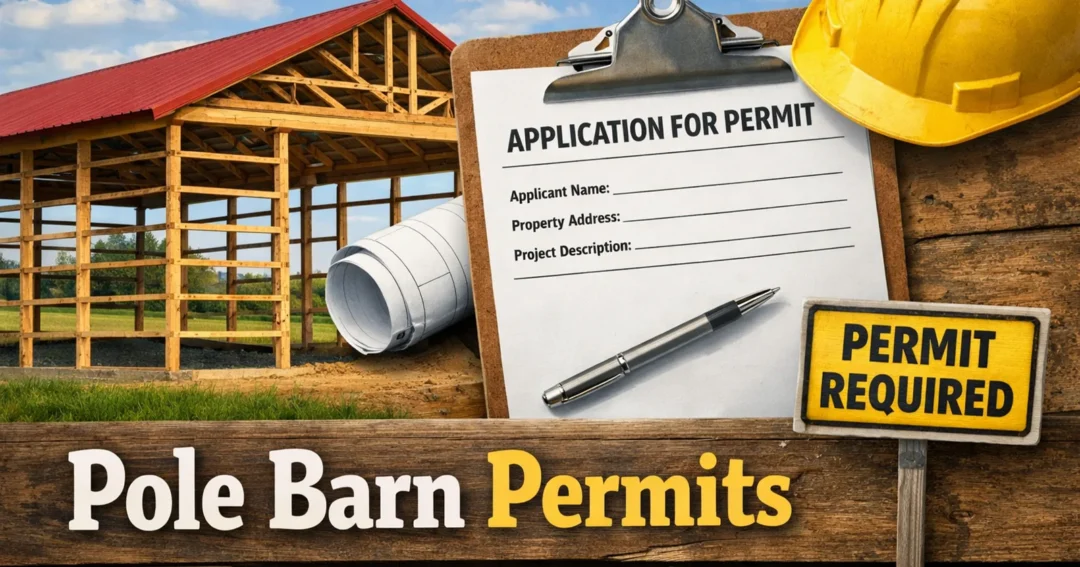
In most jurisdictions, yes. You’ll need a building permit for a new pole barn, especially if it’s above a certain square footage or if it will include electrical, plumbing, or HVAC. Requirements vary quite a bit by county and state, so it’s important to check with your local building department before you start construction.
Key things that typically affect permit requirements include the size of the structure, whether it will be used for residential occupancy, zoning and setback rules for your property type, wind and snow load requirements in your area, and whether you’re in a special flood zone or other regulated area.
Getting permits handled correctly upfront protects you when it comes time to sell or refinance the property, and ensures your building meets local safety standards.
Residential vs. Commercial Pole Barns
Pole barns work well at both scales, but there are some differences worth understanding.
Residential Pole Buildings
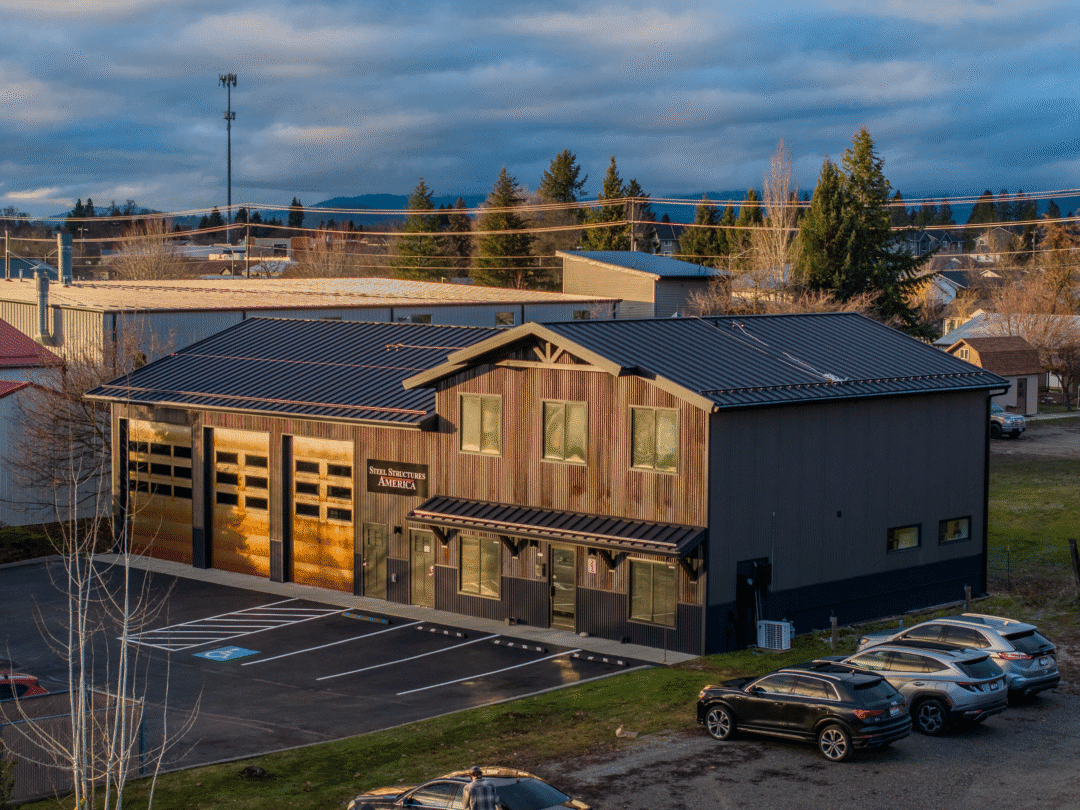
Residential pole buildings include everything from a simple detached garage to a full barndominium with living quarters. At this scale, the focus is often on finished interiors, insulation, electrical, and aesthetics alongside structural function. Buyers in this category are frequently owner-operators who plan to use the building for personal hobbies, storage, or as their primary home.
Commercial Pole Barns
Commercial pole barns are typically larger, built for business operations, and designed with durability and functionality as the top priorities. These include contractor shops, storage facilities, agricultural buildings, and light commercial structures. Permitting and engineering requirements tend to be more involved at commercial scale, and the buildings are often designed for specific operational workflows.
What to Look for in a Pole Barn Contractor
Choosing the right builder makes a bigger difference than most people realize. A well-built pole barn will perform well and last for decades. A poorly built one can come with problems that are expensive and disruptive to fix.
Here are the key things to look for when evaluating pole barn contractors:
- Local experience: A contractor who builds regularly in your area will understand local permit requirements, soil conditions, and weather-related design considerations.
- Clear, detailed quotes: A good contractor gives you a written quote that spells out exactly what’s included and what isn’t.
- References and past projects: Ask to see examples of completed buildings similar to what you’re planning. Talk to past customers if possible.
- Proper licensing and insurance: Make sure your contractor is properly licensed in your state and carries liability insurance and workers’ compensation coverage.
- Proper Materials: Be cautious of builders who put wood posts directly in the ground. It’s cheaper upfront, but it leads to rot and failure over time. Engineered systems like Perma-Column® exist specifically to eliminate that problem.
- Communication: The best builders keep you in the loop throughout the process. If a contractor is hard to reach during the sales process, that’s a warning sign.
If you need more help, we have put together a full guide on vetting and choosing your metal building contractor here.
Why Choose Steel Structures America?
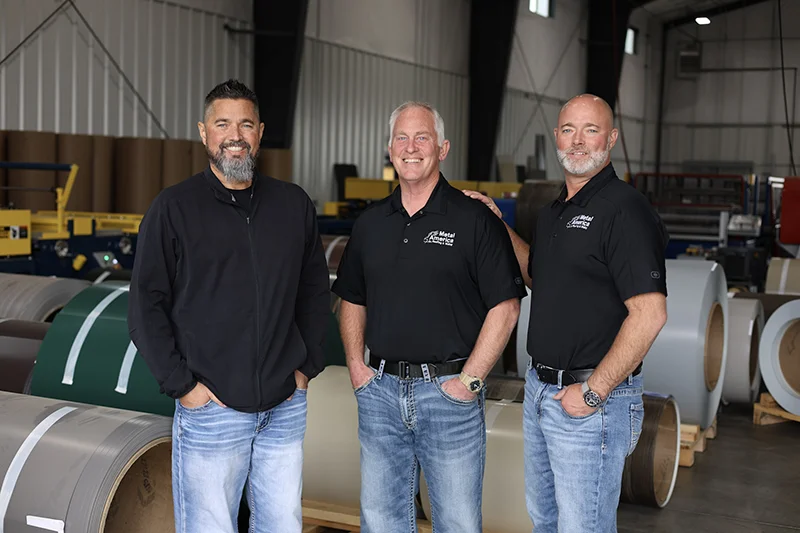
Steel Structures America has a Headquarters in Post Falls, Idaho, and serves customers across Idaho, Washington, Oregon, Colorado, Montana, and surrounding states through its many locations. We specialize in custom pole barns, metal buildings, barndominiums, agricultural buildings, contractor shops, commercial structures, and more.
Here’s what sets us apart:
- Custom design: We don’t sell cookie-cutter buildings. Every project is designed around your specific needs, property, and goals.
- Quality materials: We use high-quality materials including Perma-Column foundation systems for enhanced post-frame durability.
- Local expertise: Our team has deep experience building across the Pacific Northwest, Mountain West, and surrounding regions; we understand local codes, soil conditions, and climate demands.
- Transparent process: From your first quote through final walkthrough, we keep you informed every step of the way.
- Full-service approach: We handle design, permitting support, and construction so you don’t have to juggle multiple contractors.
Whether you’re planning a simple storage building or a large custom barndominium, we’d love to help you figure out the right solution for your property.
Ready to Get Started? Here’s What to Do Next
Getting started is easier than you might think. Here’s a simple path forward:
- Define your use case: What do you need the building for? What size do you think you need? What’s your rough budget? Having clear answers to these questions will make every conversation with a contractor more productive.
- Check your local permit requirements: Your county building department can tell you what’s required for a new structure on your property. This step is worth doing early.
- Request a quote: Contact us to discuss your project. We’ll help you figure out the right size, design, and configuration for your needs and give you a detailed, transparent quote.
- Review your options: We’ll walk you through material choices, foundation options, add-ons like insulation and electrical, and anything else that affects your build.
You can reach Steel Structures America at (800) 833-9997 or click here to request a quote or learn more about our services.
Frequently Asked Questions
How long does it take to build a pole barn?
A straightforward storage or agricultural pole barn can often be framed and dried-in within a few days to a couple of weeks once materials arrive on site. More complex builds, especially those with insulation, interior finishing, electrical, and plumbing, take longer. Site preparation, permitting lead times, and material availability also affect the overall timeline. Realistically, plan on a few weeks to a few months from the time you start the process to move-in day.
How long do pole barns last?
A well-built pole barn with quality materials can last 40 to 60 years or more. The primary factor affecting longevity is the foundation system, specifically how the posts are anchored. Traditional in-ground treated posts will eventually rot, though the timeline depends on soil moisture conditions and wood treatment quality. Systems like Perma-Column that keep wood out of contact with soil significantly extend building lifespan.
Can a pole barn be used as a house?
Yes, and this is exactly what a barndominium or pole barn home is. Post-frame construction can absolutely be used for residential occupancy with the right design, insulation, and mechanical systems. Requirements vary by jurisdiction, so it’s important to work with your local building department and a contractor experienced in residential post-frame projects.
Do pole barns add value to a property?
Generally, yes, a quality pole barn adds usable square footage and functional space to a property, which most buyers value. However, the impact on appraised value depends on the type of property, the local market, and the quality of the building. Agricultural buyers and rural property buyers especially tend to view a well-built shop or agricultural building as a significant asset.
What's the difference between a pole barn and a metal building?
The main difference is structural: a pole barn uses a wood post-frame system, while a metal building uses a rigid steel frame. Both use metal roofing and siding on the exterior in most cases. Pole barns typically don’t require a full concrete perimeter foundation, while metal buildings typically anchor to a concrete slab. Both systems have their strengths, and the right choice depends on your specific project.