
Metal Building Permits, Codes, and Engineering Requirements: What You Need to Know
Metal building permits are required for almost every steel building project, and skipping this step creates serious problems down the road. Whether you’re putting up a 30×40 shop on your property or a large commercial facility, the permitting and code compliance process is part of the project. Understanding what’s involved upfront helps you plan your timeline, budget, and contractor conversations correctly.
This guide covers what permits apply to metal buildings, what the engineering requirements look like, how wind and snow loads affect your build, and what you can expect from the zoning and code process in the Northwest and Mountain West states SSA serves.
Do You Need a Permit for a Metal Building?
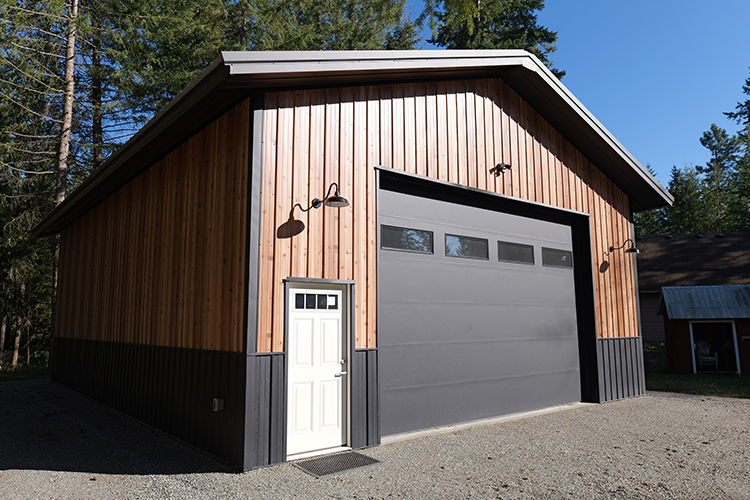
In most cases, yes. Metal buildings that are permanent structures require a building permit in virtually every county and municipality across Idaho, Washington, Oregon, Colorado, and Montana. This applies to garages, shops, agricultural buildings, warehouses, and commercial structures.
A small number of rural counties have limited permit requirements for agricultural structures below a certain square footage, but this varies significantly by jurisdiction and shouldn’t be assumed. Even when a county doesn’t require a structural permit, setback and zoning rules may still apply.
The safest approach is to contact your county building department before you commit to a project scope. They can tell you exactly what’s required for your parcel and intended use.
What Permits Apply to Metal Buildings?
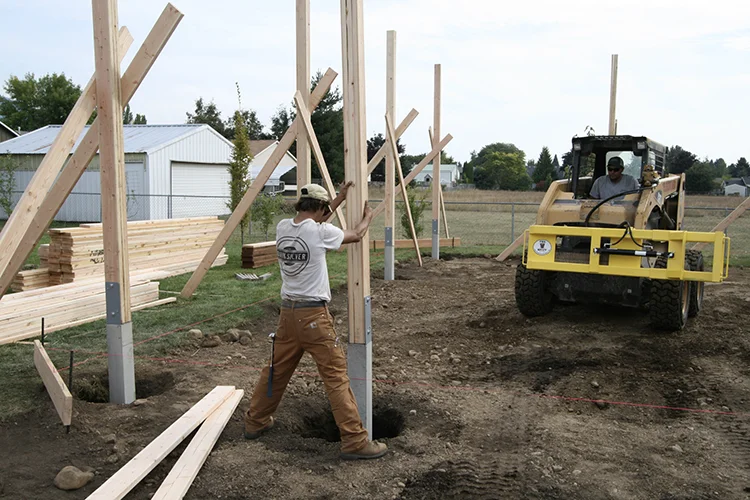
Depending on the scope of your project, you may need several permits, not just one.
Building Permit
This is the primary permit required for structural construction. It covers the building itself and typically requires engineering drawings, a site plan, and a foundation plan. For metal buildings, the building permit review process includes checking that the structure meets local snow, wind, and seismic load requirements.
Electrical Permit
If you’re running electrical service to the building, a separate electrical permit is usually required. This is separate from the structural building permit and involves inspection by a licensed electrician in most jurisdictions.
Plumbing Permit
Any building with plumbing, including a bathroom or utility sink, requires a plumbing permit. This applies even to shop buildings and agricultural structures with basic plumbing.
Mechanical Permit
HVAC systems, heaters, and ventilation equipment often require a separate mechanical permit.
Grading or Site Work Permit
Significant grading, drainage work, or land disturbance may require a separate permit depending on your jurisdiction and the scale of the work.
Engineering Drawings for Metal Buildings
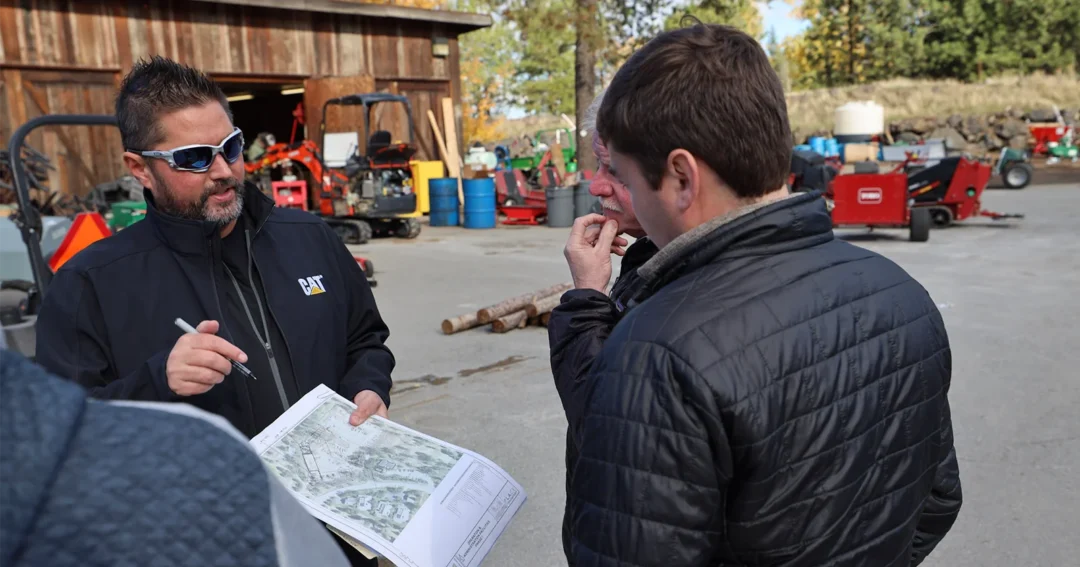
Engineered metal building drawings are one of the most important parts of the permitting process, and they’re where metal buildings differ significantly from other types of structures.
Pre-engineered metal building manufacturers produce stamped engineering drawings as part of their building package. These drawings are produced by a licensed structural engineer and are specific to your building’s dimensions, local load requirements, and foundation design. They typically include:
- Primary framing plans and elevations
- Secondary framing details
- Roof and wall panel layouts
- Anchor bolt and foundation plans
- Connection details
- Load calculations showing compliance with local code
The drawings must be stamped by a licensed engineer in your state. Most reputable metal building manufacturers provide state-specific stamped drawings as part of the package, but it’s worth confirming this before you order. Some lower-cost package providers ship generic drawings that still need state engineering review, which adds cost and time.
For custom metal buildings, the engineering process is more involved because the entire structural system is being designed from scratch. This typically takes longer and costs more, but the result is a set of drawings tailored precisely to your project.
Metal Building Building Codes
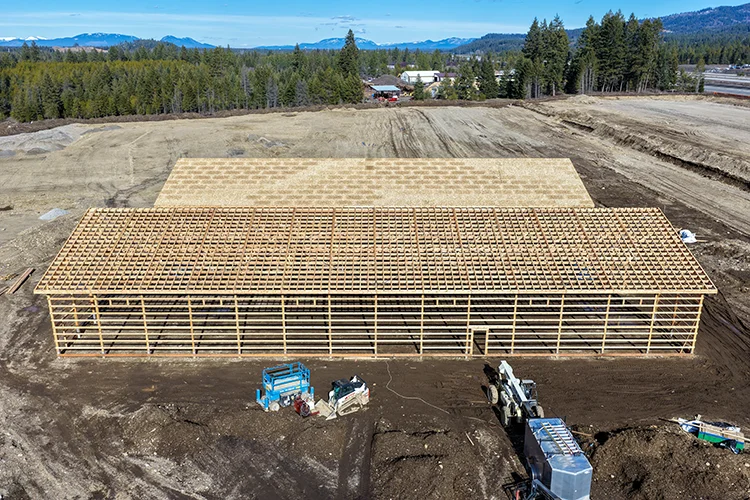
Metal buildings in the United States are designed and built to the International Building Code (IBC), the same code framework used for commercial and residential construction. The IBC sets requirements for structural loads, connections, fire resistance, occupancy classification, and more.
Most of the Western states SSA serves have adopted versions of the IBC at the state level, with local amendments. Idaho, Washington, Oregon, Colorado, and Montana all work from IBC-based codes, though specific editions and amendments vary by state and sometimes by county.
Key code elements that affect metal buildings include:
Occupancy Classification
How the building will be used determines which code requirements apply. A storage shop has different requirements than a commercial office or a building open to the public. Getting the occupancy classification right early in the process prevents problems during plan review.
Fire Code Requirements
Depending on the occupancy type and building size, fire separation, sprinkler systems, or fire-rated construction may be required. Most rural agricultural and shop buildings don’t trigger these requirements, but larger commercial projects often do.
Energy Code
Some jurisdictions require metal buildings to meet energy code requirements, especially if the building will be heated or cooled. This affects insulation specifications and can impact your building package requirements.
Wind and Snow Load Requirements
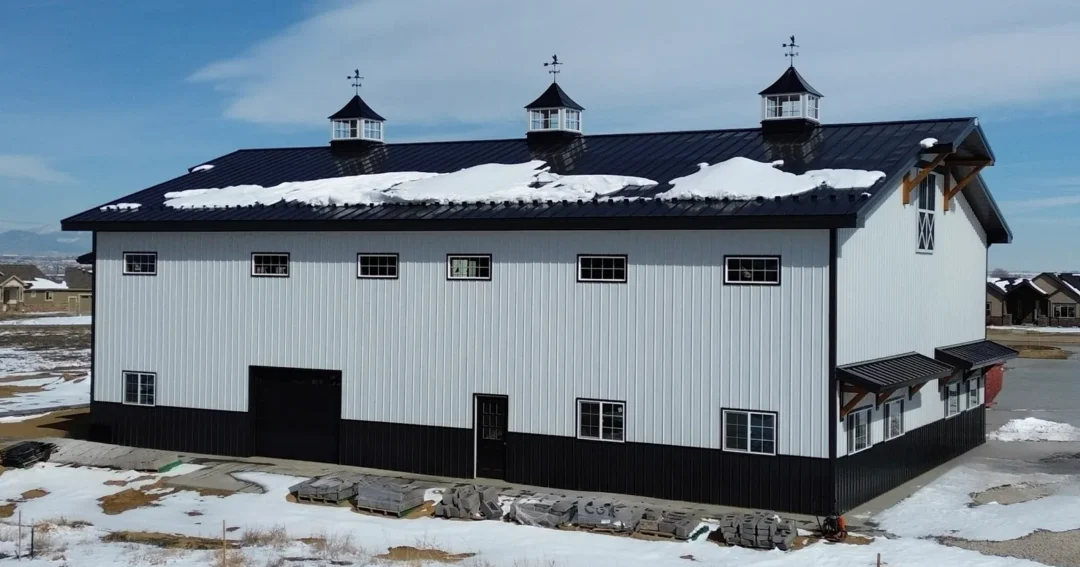
Wind and snow load requirements are where metal building design gets specific to your location, and this is one area where working with an experienced builder makes a real difference.
Metal buildings must be engineered to handle the design wind speeds and ground snow loads for your specific location. These values are established by ASCE 7 (the standard for minimum design loads) and are incorporated into local building codes.
| Region | Common Wind Load Requirement | Common Ground Snow Load |
| Western Idaho / Eastern OR | 85 to 105 mph | 20 to 40 psf |
| Eastern Washington / Spokane | 90 to 100 mph | 25 to 50 psf |
| Colorado Front Range | 105 to 115 mph | 20 to 40 psf |
| Montana (most areas) | 90 to 100 mph | 30 to 60 psf |
| High Elevation / Mountain | 115+ mph possible | 60 to 150+ psf |
Note: These are general ranges for illustration. Your actual requirements depend on your specific parcel location, elevation, and local code amendments. A building designed for the Boise foothills will have different specs than one designed for a mountain property at 6,000 feet elevation.
Why This Matters for Your Building
A building engineered for lower loads than your site actually experiences is a structural problem waiting to happen. Reputable metal building manufacturers and builders account for your specific location’s requirements in the engineering drawings. If you’re getting quotes, make sure each contractor is using the correct local load values, not just a generic standard.
High snow load areas in Montana and Colorado mountain communities sometimes require significantly heavier framing and closer rafter spacing than standard packages. This affects cost, so make sure your quote reflects your actual site requirements.
Zoning and Setback Requirements
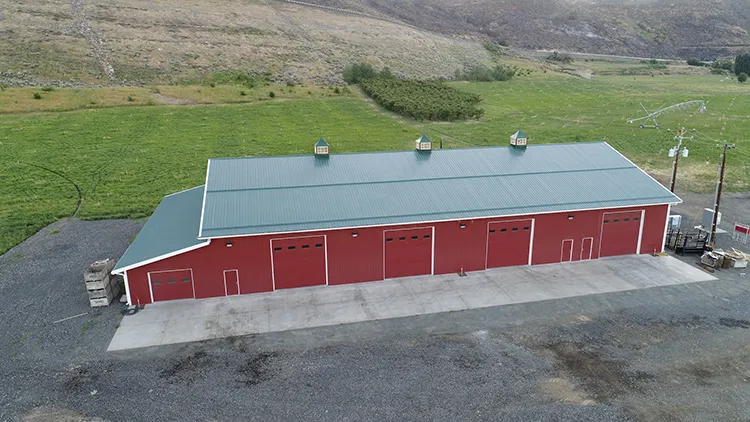
Metal building zoning requirements are set by your local county or municipality, not by state building code. Zoning determines what types of structures are allowed on your property, and setback rules determine how far your building must be from property lines, roads, and other structures.
Common zoning considerations for metal buildings include:
- Minimum lot size for the intended use
- Agricultural vs. commercial vs. residential zoning classifications
- Setbacks from property lines (typically 10 to 30 feet depending on jurisdiction and structure size)
- Setbacks from road rights-of-way
- Height restrictions
- Aesthetic requirements in some suburban or mixed-use zones
Rural agricultural land generally has more permissive zoning for large buildings. Residential zones and suburban areas often have stricter rules. Some jurisdictions have specific provisions for accessory structures that determine what size building you can add to a parcel without triggering additional review.
Check with your county planning department before finalizing your building location on the site. A setback violation discovered after construction is a serious and expensive problem.
How the Permit Process Typically Works
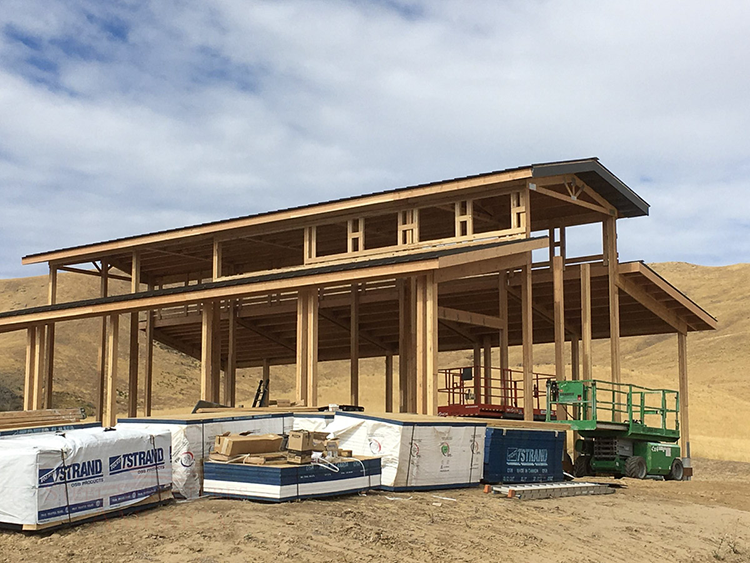
For most metal building projects, the permit process follows a predictable sequence:
- You determine the building scope, location, and use
- Your builder or manufacturer prepares engineering drawings and specifications
- You or your contractor submits a permit application with drawings, site plan, and any required forms
- The building department reviews the application, typically 2 to 6 weeks for straightforward projects, longer for commercial or complex structures
- Corrections or additional information may be requested
- The permit is issued and construction can begin
- Required inspections happen during and after construction
- A certificate of occupancy or final approval closes out the permit
Plan check timelines vary widely. Rural counties with small building departments may take longer than urban counties with more staff. Some jurisdictions offer expedited review for a fee. Factor permit processing time into your project schedule from the start.
What Happens If You Build Without a Permit?
Building without a required permit creates problems that compound over time. When you sell the property, title searches and inspections often reveal unpermitted structures. Lenders may refuse to finance a sale involving unpermitted buildings. In some cases, counties require unpermitted structures to be removed or modified to meet code before a sale can proceed.
Insurance coverage can also be affected. A structure built without a permit may not be covered for damage or loss under a standard property insurance policy.
Getting the permits right the first time is always less expensive than dealing with the consequences of skipping them.
Working with a Builder Who Knows the Local Permit Process
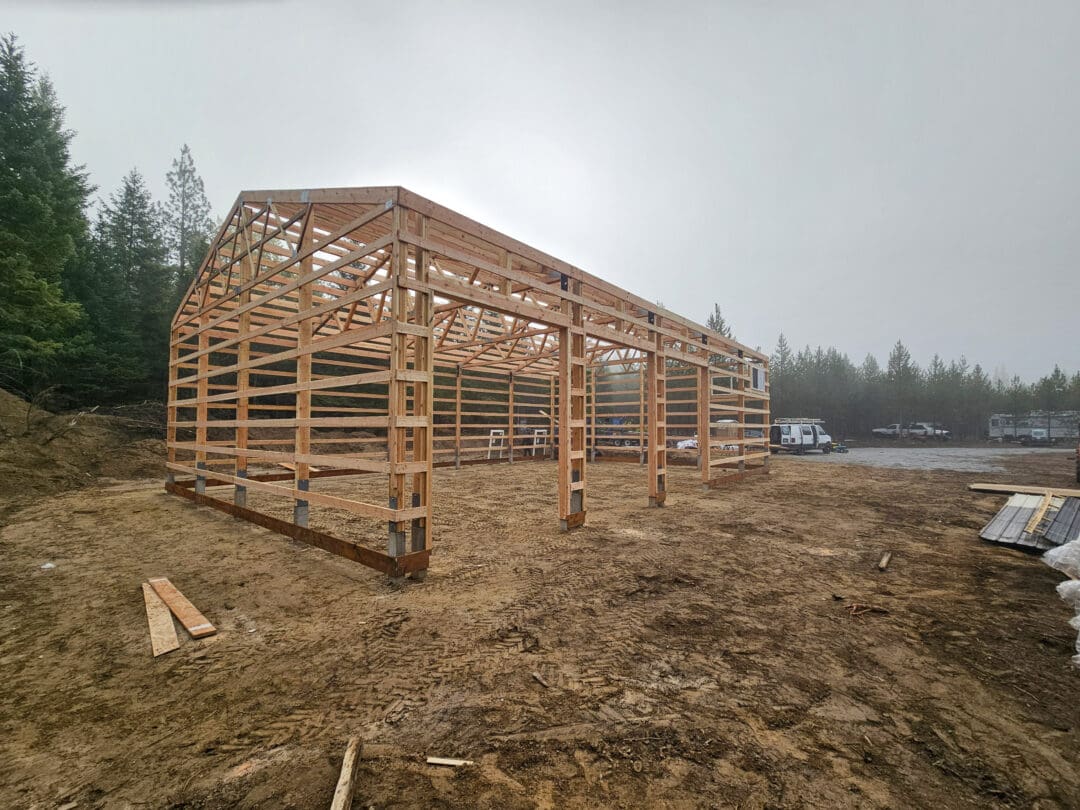
One of the practical advantages of working with a regional metal building contractor is that they know the local permit process, the specific requirements for the counties they work in, and the local load values that need to be reflected in the engineering drawings.
Steel Structures America works in Idaho, Washington, Oregon, Colorado, Montana, and surrounding areas. We know that a building permit in Kootenai County has different requirements than one in Jefferson County, Colorado, and we build that into how we approach every project.
If you’re early in the planning process and trying to figure out what your project will involve from a permitting standpoint, we’re happy to talk through what to expect in your area. Reach out to our team and let’s start the conversation.
Quick Reference: Metal Building Permit and Code Checklist
- Confirm zoning allows your intended use before finalizing plans
- Check setback requirements for all property lines and road frontages
- Obtain engineered drawings stamped by a licensed engineer in your state
- Verify that load calculations reflect local wind and snow load requirements
- Submit a complete permit application including site plan and foundation plan
- Budget 2 to 8 weeks for plan review depending on jurisdiction
- Schedule required inspections during and after construction
- Keep permit documentation on file with property records
Getting the permitting and engineering requirements right from the start protects your investment, keeps your project on schedule, and gives you a building you can stand behind for decades. If you have questions about what’s required for your specific project, our team can help you navigate the process.