
Lean-To Sizes, Costs, and What to Know Before You Build
Lean-to size is one of those decisions that is easy to underestimate until you have already built something and realized it is not quite big enough. Or, on the flip side, that you paid for more than you needed. Getting the lean-to dimensions right before you build is worth spending some time on, because the width and length you choose affect everything downstream: what fits inside, how the roofline looks, what the structure costs, and how useful the addition actually is day to day.
This article is designed to give you a practical reference for lean-to sizing and pricing. We will cover the most common lean-to dimensions, what each size can realistically accommodate, how costs break down by configuration, and the key planning decisions you need to make before you talk to a contractor.
The Two Key Lean-To Dimensions: Width and Length
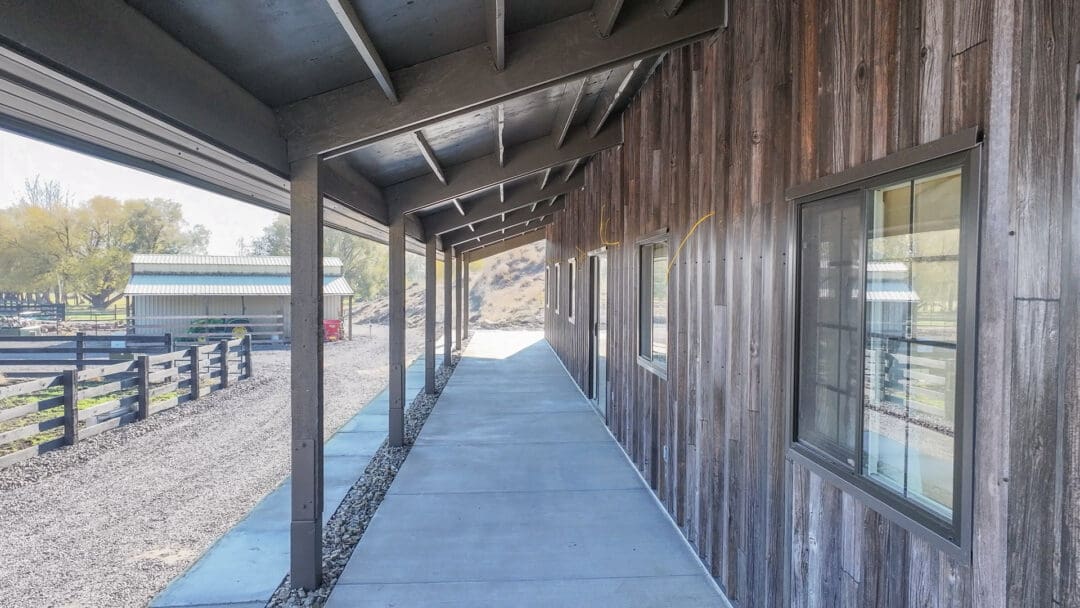
Lean-To Width
Width is the measurement from the existing building wall to the outer edge of the lean-to. This is the dimension that most directly determines what the lean-to can fit and how useful it is. It is also the dimension that drives the most variation in cost per square foot, since wider lean-tos require heavier structural members, larger footings, and more roofing material spanning between the connection point and the outer posts.
When people ask ‘how big should a lean-to be,’ they are almost always really asking about width. The answer depends on what you want to fit inside.
Lean-To Length
Length runs parallel to the main building’s wall. In most cases, the lean-to runs the full length of the wall it attaches to, though partial-length lean-tos are also built when only part of the wall needs covered space. Length drives the overall square footage and therefore the total material quantity, but it does not typically affect the per-square-foot cost as much as width does.
Lean-To Width Guide: What Each Size Can Fit
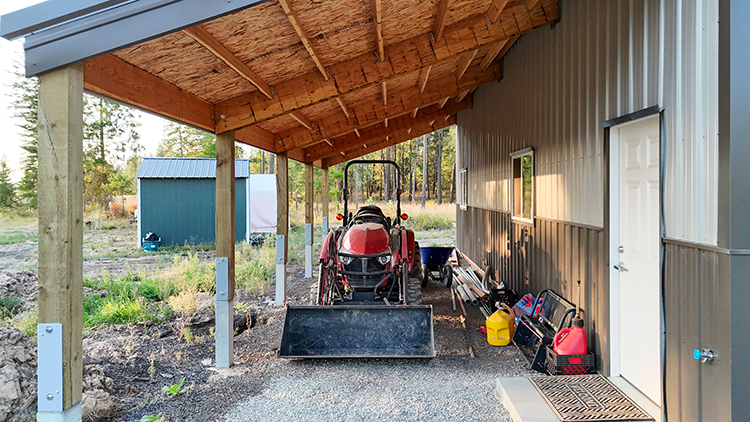
| Width | What Fits | Best Use Cases |
| 8 ft | Covered walkway, entry porch | Front entry porch, narrow covered path |
| 10 ft | Single vehicle, ATV, small tractor | Carport, small equipment shelter, porch |
| 12 ft | Full-size truck, hay storage, livestock loafing | Farm equipment shelter, hay barn lean-to |
| 14 ft | Full-size truck with mirrors, large ATV | Equipment parking, contractor vehicle storage |
| 16 ft | Large tractors, skid steers, wide equipment | Agricultural and contractor shops |
| 20 ft+ | Semi trucks, combines, large hay storage | Commercial ag, large equipment operations |
One rule of thumb worth keeping in mind: whatever you think you need, consider going one width size up. A 12-foot lean-to that feels like plenty of room when empty feels a lot tighter once you have a tractor parked in it and need to walk around the outside. Building a little extra width in from the start is almost always money well spent.
Common Lean-To Size Combinations and Their Square Footage
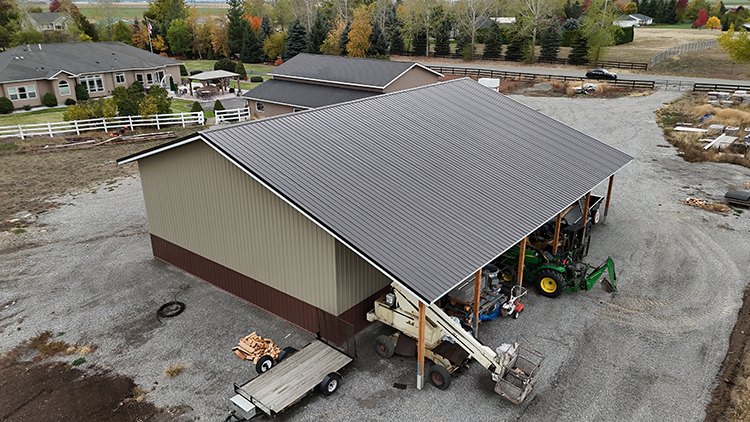
| Lean-To Dimensions | Square Footage | Typical Application |
| 10 x 30 | 300 sq ft | Small equipment shelter or porch on a 30-wide building |
| 10 x 40 | 400 sq ft | Carport or ATV shelter on a 40-wide building |
| 12 x 40 | 480 sq ft | Hay storage or livestock loafing on a 40 ft barn |
| 12 x 60 | 720 sq ft | Equipment parking on a large shop or ag building |
| 16 x 40 | 640 sq ft | Large equipment shelter or farm vehicle storage |
| 16 x 60 | 960 sq ft | Full-size tractor or multiple vehicles, large farm barn |
| 20 x 80 | 1,600 sq ft | Commercial ag or large equipment, semi-truck access |
Lean-To Cost: What Drives the Price
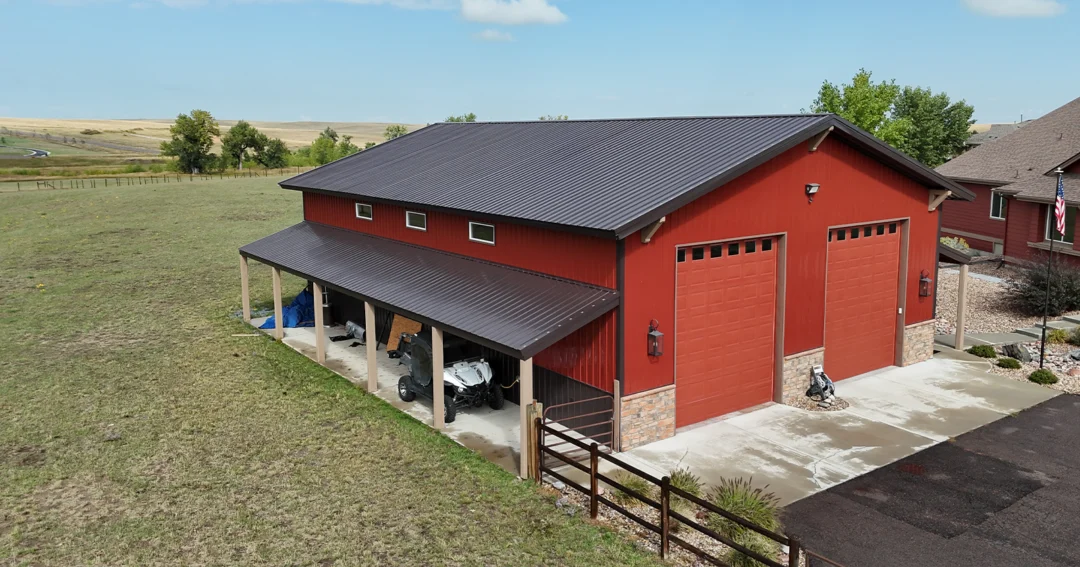
Lean-to cost is not a single number. It varies based on a collection of factors that together determine how much material and labor goes into the project. Here is what moves the needle:
Width
Wider lean-tos cost more per square foot because the longer roof span requires heavier structural members and the outer posts may need to be larger or deeper. A 10-foot lean-to and a 20-foot lean-to are not twice the cost per square foot, but the wider one will be meaningfully more expensive on a per-foot basis.
Enclosure Level
An open lean-to (roof only, no walls) is significantly less expensive than a partially or fully enclosed lean-to. Every wall you add requires siding panels, trim, framing, and potentially a door or overhead door opening. The jump from open to fully enclosed can double the cost per square foot in some configurations.
Concrete Floor
An open lean-to used for equipment storage or hay may not need a concrete floor at all. A lean-to used for vehicle storage, a workshop, or a covered porch typically benefits from a concrete slab. Concrete adds cost both in material and in the forming and finishing labor.
Doors and Openings
Overhead doors are one of the larger cost variables in a lean-to budget. A standard 10×10 overhead door adds roughly $1,500 to $3,000 to the project depending on style and whether it is manual or motorized. Larger commercial overhead doors cost more. Walk doors are a smaller addition but still factor into the total.
Roofing and Siding Material
Standard ribbed metal panels are the most common and cost-effective choice. If you are trying to match a standing seam main building or want a specific color or panel profile, that may affect the material cost. Matching the existing building is almost always the right call aesthetically and usually does not add significant cost if you are working with the same supplier.
Retrofit vs. New Build
Adding a lean-to to an existing building generally costs a little more per square foot than building the same lean-to as part of the original construction. The additional cost comes from mobilization, connection engineering, and the extra care required when attaching to an existing structure. That said, it is rarely a dramatic difference and is almost always worth it compared to building a separate structure.
Lean-To Cost Ranges by Configuration
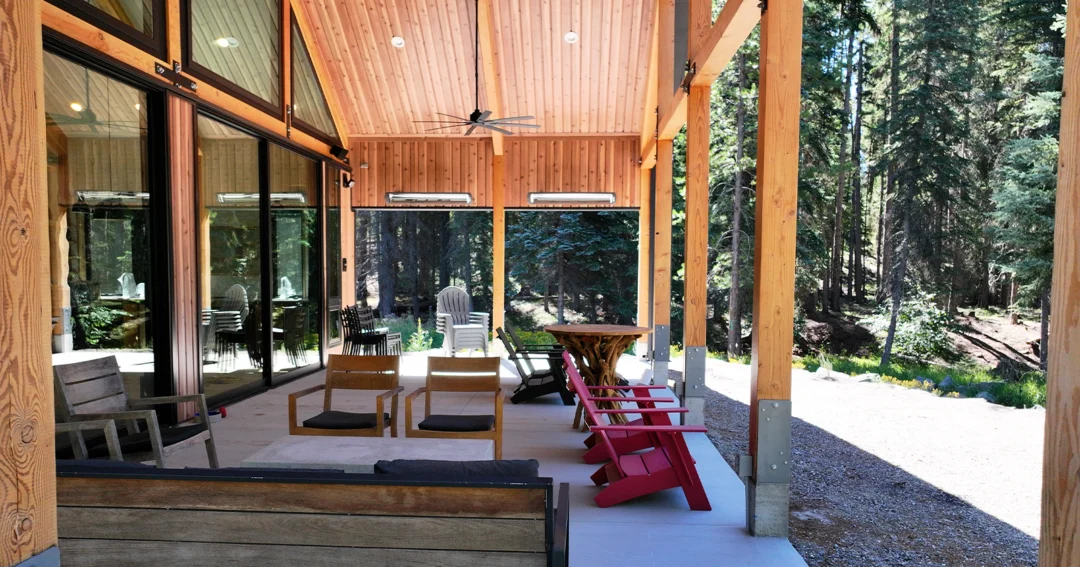
The ranges below are rough estimates intended to help with early-stage planning. Your actual cost will depend on your specific location, site conditions, and the contractor you work with. Prices reflect installed cost including materials and labor.
| Configuration | Cost Per Sq Ft | Notes |
| Open lean-to, metal roof only | $8 to $15 | No walls, no floor, basic post and purlin frame |
| Partially enclosed, metal roof and partial siding | $14 to $22 | Some walls, no overhead door, gravel or dirt floor |
| Fully enclosed, concrete floor | $22 to $38 | Full siding, walk door, concrete floor, no overhead door |
| Fully enclosed with overhead door(s) | $28 to $45+ | Full enclosure plus one or more overhead doors |
| Porch lean-to with finish details | $20 to $40+ | Ceiling, columns, lighting, concrete or decking floor |
Sample Cost Estimates for Common Sizes
| Size | Open Lean-To Estimate | Fully Enclosed Estimate |
| 12 x 40 (480 sq ft) | $4,000 to $7,200 | $10,500 to $18,000 |
| 16 x 40 (640 sq ft) | $5,100 to $9,600 | $14,000 to $24,000 |
| 12 x 60 (720 sq ft) | $5,800 to $10,800 | $15,800 to $27,000 |
| 16 x 60 (960 sq ft) | $7,700 to $14,400 | $21,100 to $36,000 |
| 20 x 60 (1,200 sq ft) | $9,600 to $18,000 | $26,400 to $45,000 |
These are ballpark estimates. Call Steel Structures America at (800) 833-9997 for a project-specific quote based on your building, location, and what you want the lean-to to do.
Roof Pitch on a Lean-To: What You Need to Know
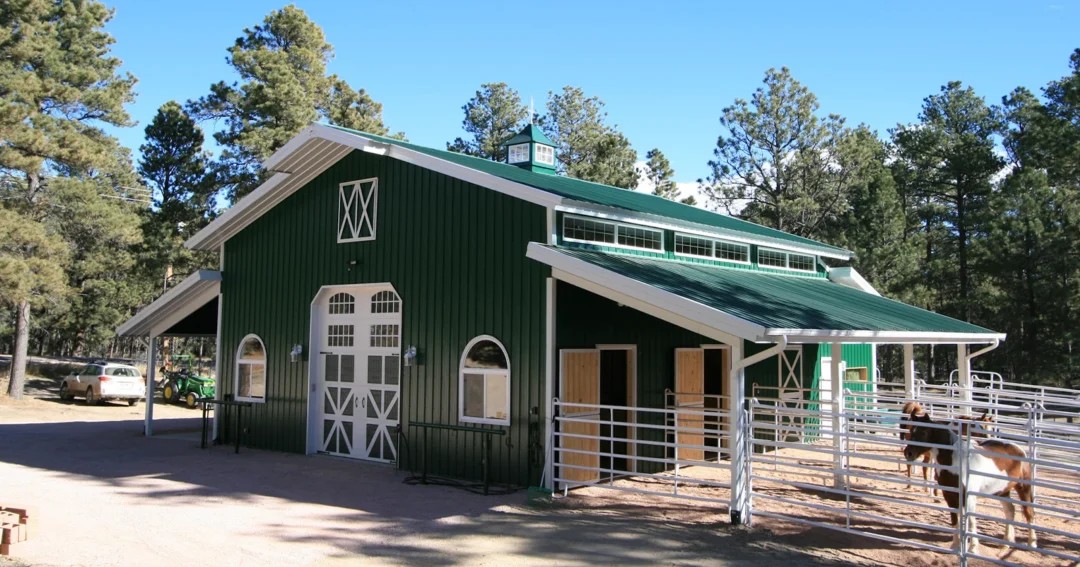
The lean-to roof pitches downward away from the main building. The pitch you choose affects how much headroom the lean-to has at its outer edge, how well it sheds snow and rain, and to some extent how it looks relative to the main building.
Common lean-to roof pitches range from 1:12 (very shallow, nearly flat) to 4:12 (moderate pitch). In regions with significant snowfall like Idaho, Montana, and eastern Washington, a steeper pitch helps snow shed more efficiently and reduces the load on the lean-to structure.
The minimum pitch you can use on a metal roof is typically 1:12, and some panel profiles require 2:12 or steeper for proper water shedding at the seams. Your contractor and engineer will specify the minimum allowable pitch based on your roofing product and local snow load requirements.
One practical consideration: the pitch of the lean-to determines how much height you lose at the outer edge. A 12-foot-wide lean-to with a 2:12 pitch loses 2 feet of height from the attachment point to the outer edge. If your building has a 12-foot eave and you lose 2 feet, the outer edge of the lean-to is at 10 feet, which is still comfortable for most uses. If your eave is lower, you may need to limit the lean-to width or accept lower clearance at the outer edge.
Post Spacing and Footing Depth
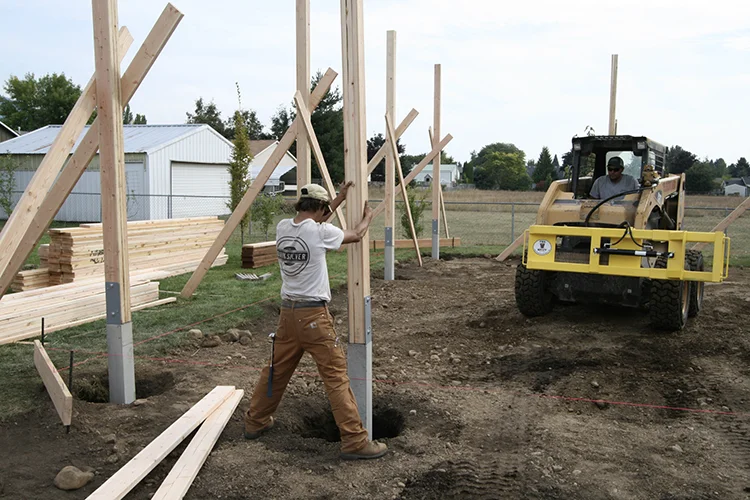
Lean-to posts are typically spaced 8 to 12 feet on center along the outer edge. The exact spacing is determined by the roof load requirements for your area and the structural members being used. In high-snow-load areas, closer post spacing or heavier members may be required.
Footing depth is determined by local frost depth requirements. In Idaho, the frost depth is typically 24 to 36 inches. In Montana, it can be deeper. Your contractor and engineer will size the footings and specify the depth based on your specific location.
Key Decisions to Make Before You Talk to a Contractor
Walking into a contractor conversation with a clear sense of what you want saves time and helps you get a more accurate quote. Here are the decisions worth thinking through in advance:
- What do you want to store or do in the lean-to? (This determines the width you need.)
- Do you want it open, partially enclosed, or fully enclosed?
- Do you need a concrete floor?
- Do you need overhead door access? If so, how many doors and what size?
- Do you want it to run the full length of the existing wall or only part of it?
- Are you adding it to an existing building or incorporating it into a new build?
- What is your approximate budget range?
You do not need to have all of these figured out perfectly before your first conversation, but having rough answers to each one will make the conversation more productive and help your contractor give you a useful estimate faster.

If you need help finding the right contractor, heck out this guide on what to look for in a contractor.
Ready to Plan Your Lean-To? Steel Structures America Can Help
Steel Structures America works with property owners across Idaho, Washington, Oregon, Colorado, Montana, and the surrounding region to design lean-to additions that fit their property, their use case, and their budget. We can help you think through the size and configuration options, get you a realistic cost estimate, and manage the project from permit to punch list.
Reach out at (866) 988-0072 or reach out online to start the conversation.