
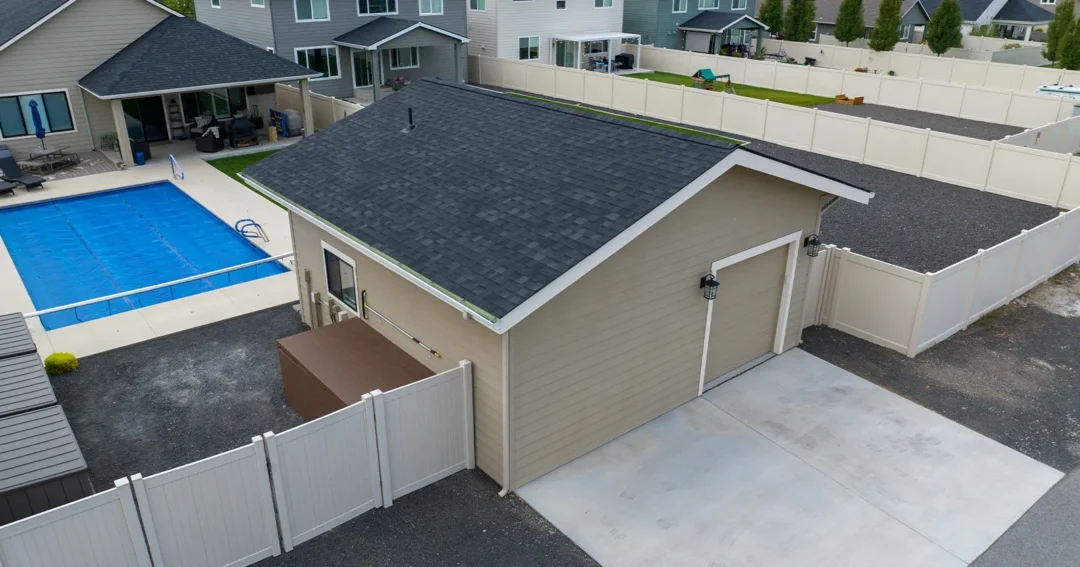
Pole Barn Garage: Plans, Sizes, Costs, and Ideas
A pole barn garage is one of the most practical and cost-effective ways to add serious vehicle and storage space to your property. Whether you want a simple detached garage for two cars or a larger shop-style building that doubles as a workspace and storage area, post-frame construction gives you size, flexibility, and durability that a standard stick-built garage simply cannot match.
This guide covers everything you need to know about pole barn garages, including how they are built, what sizes work for different needs, what features you can add, what they typically cost, and how to start planning your build.
What Is a Pole Barn Garage?
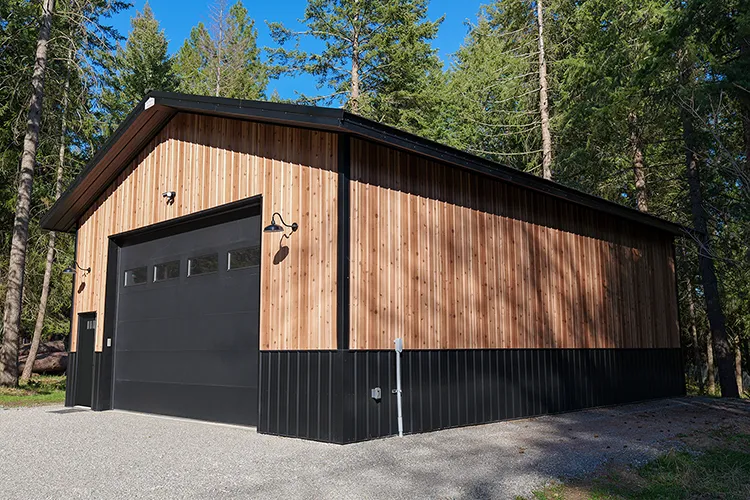
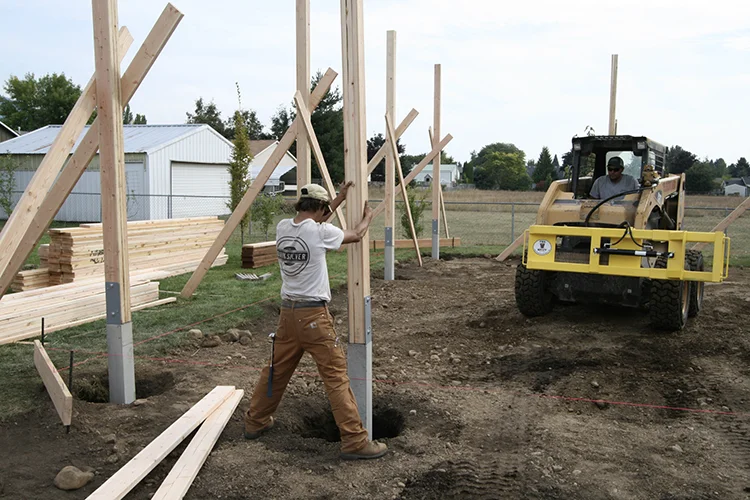
A pole barn garage is a detached garage built using post-frame construction. Instead of a traditional poured foundation and stud-wall framing, post-frame buildings use large structural columns set directly into the ground (or onto concrete footings) as the main load-bearing system. Those columns support the roof structure, and the wall framing hangs between them.
Post-frame construction has been used for agricultural buildings for decades, but it has become increasingly popular for residential garages and shops because it is faster to build, more affordable per square foot, and easier to customize than stick-built construction.
The result is a garage that can be much larger than a typical attached or detached garage, with wide open interiors that make working on vehicles, storing equipment, or setting up a workshop easy and practical.
Why Choose a Pole Barn Garage Over a Standard Detached Garage?
Most standard detached garages top out at 24×24 or 24×30 because of the costs and complexity of stick-built construction at larger sizes. A pole barn garage scales up easily and affordably, which is the single biggest reason buyers choose post-frame for their garage projects.
Here are the main advantages:
| Advantage | What It Means for You |
| Lower cost per square foot | Post-frame construction is typically 20 to 40 percent less expensive than stick-built at equivalent sizes. |
| Faster build time | Because there is no poured perimeter foundation and framing goes up quickly, construction timelines are shorter. |
| Wide clear spans | Post-frame roofs can span 40, 60, or even 80+ feet without interior columns, giving you completely open floor space. |
| Easier to go big | Need a 40×60 or 50×80? Post-frame makes large garages practical and affordable where stick-built would be prohibitively expensive. |
| Highly customizable | You choose the size, door placement, window placement, roof pitch, siding color, insulation package, and any features like lofts or lean-tos. |
| Durable and long-lasting | With proper post treatment or concrete footing systems, a well-built pole barn garage can last 50 years or more. |
Common Pole Barn Garage Sizes
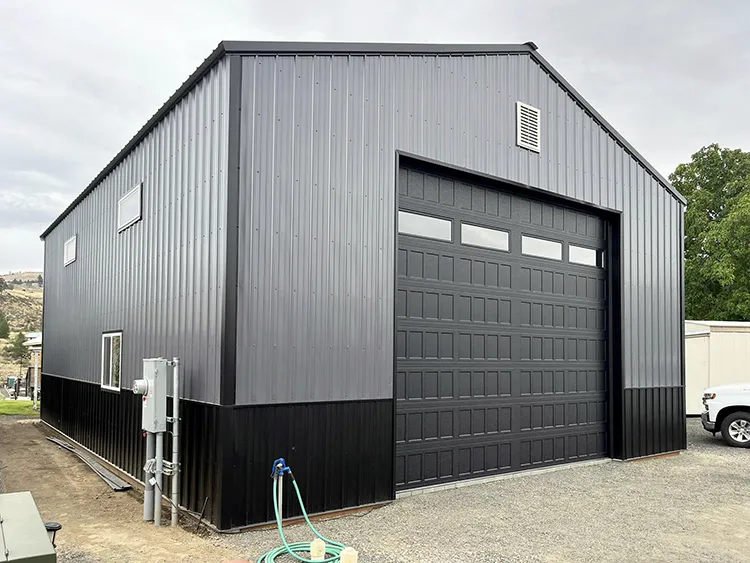
The right size depends on how many vehicles you need to store, whether you want workspace, and what equipment or recreational gear you are planning to keep inside.
| Size | Best For |
| 24×24 | Two-car basic garage. Fits two standard vehicles with minimal walking space. Good entry-level option. |
| 30×40 | Two to three vehicles with room to open doors fully and move around. One of the most popular sizes. |
| 30×50 | Three cars or two vehicles plus a dedicated work area. Adds meaningful shop space over a 30×40. |
| 40×60 | Three to four vehicles. Large enough for a full workshop setup on one end and parking on the other. |
| 40×80 | Four or more vehicles, large equipment, or an RV plus additional cars. Serious storage and workspace. |
| 50×80+ | Commercial-scale storage, multiple bays, large equipment, RVs, boats, and dedicated shop space. |
For a deeper look at vehicle capacity, specific dimensions, and layout options by size, see our guide on 2 and 3 car pole barn garages.
Pole Barn Garage Plans and Layouts
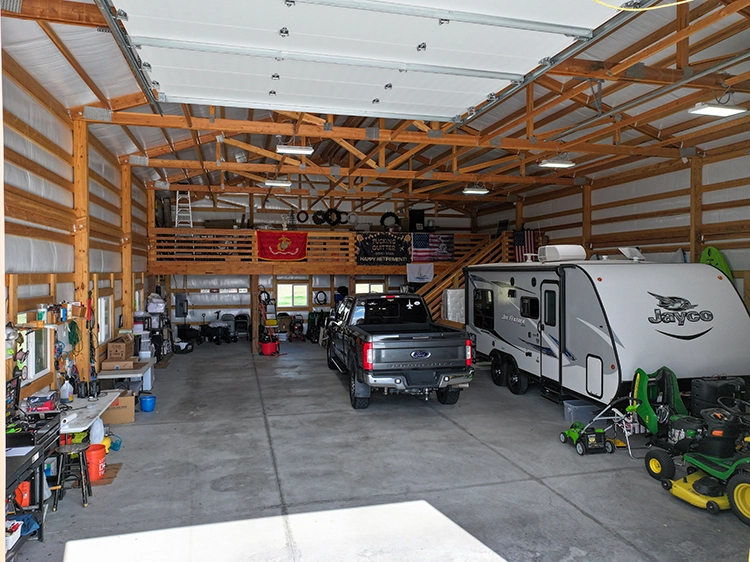
One of the best parts of a pole barn garage is how flexible the floor plan can be. Because post-frame construction does not require load-bearing interior walls, you can design the inside however makes sense for your needs.
Basic Garage Layout
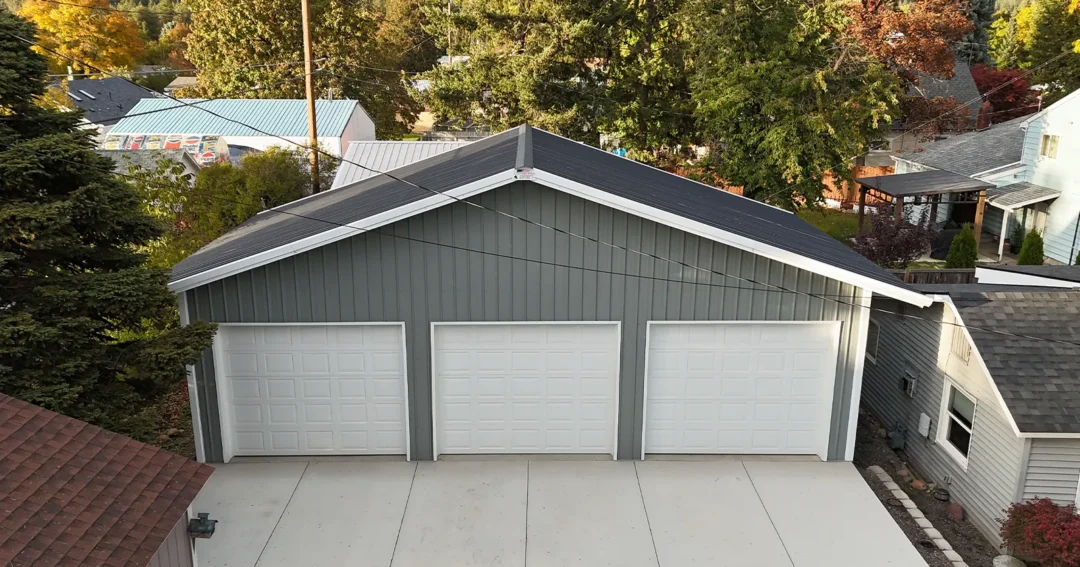
The most straightforward layout is a wide open bay for parking. A 30×40 with two or three overhead doors across the front gives you simple, functional parking space with room to work around vehicles.
Garage with Workshop Area
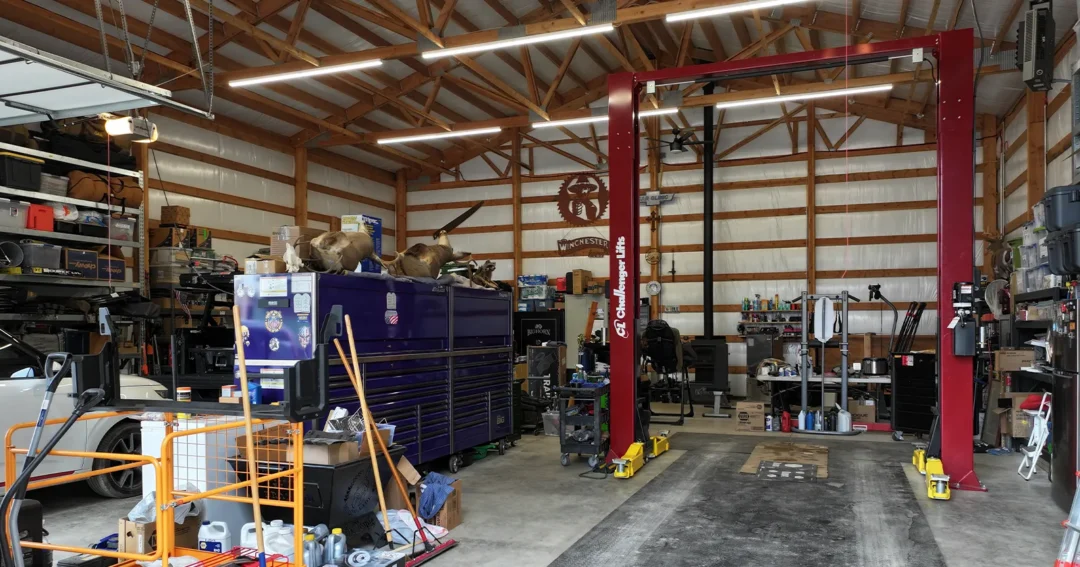
A very popular layout is to divide the building roughly in half: one section for parking and one section for a workbench, tools, and storage. In a 40×60, for example, you might park vehicles on one half and set up a full shop on the other. This keeps the shop area clean and organized while giving you plenty of vehicle storage.
If a garage-workshop combination is your main goal, see our dedicated guide on pole barn garage workshop combos for layout ideas and design considerations.
Garage with Loft
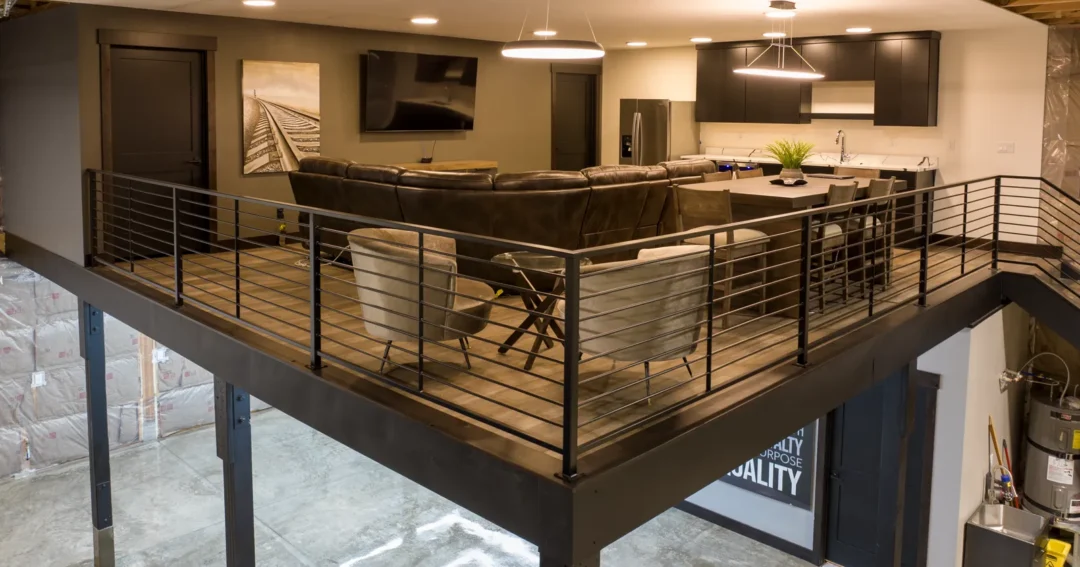
Adding a loft above part of the garage is a great way to double your storage space without expanding the footprint. Lofts work particularly well over a single bay, leaving the primary bays open to full ceiling height for tall vehicles. Some buyers use the loft for seasonal storage, others finish it as a small bonus room.
If you are considering living space above your garage, see our guide on pole barn garages with lofts or apartments for costs, plans, and what to expect.
Garage with Lean-To
A lean-to addition along one or both sides of the main building is another way to add covered space. Common uses include covered equipment parking, firewood storage, an outdoor workspace, or a covered porch area. Lean-tos can be added during original construction or in many cases added later.
Overhead Door Options for Pole Barn Garages
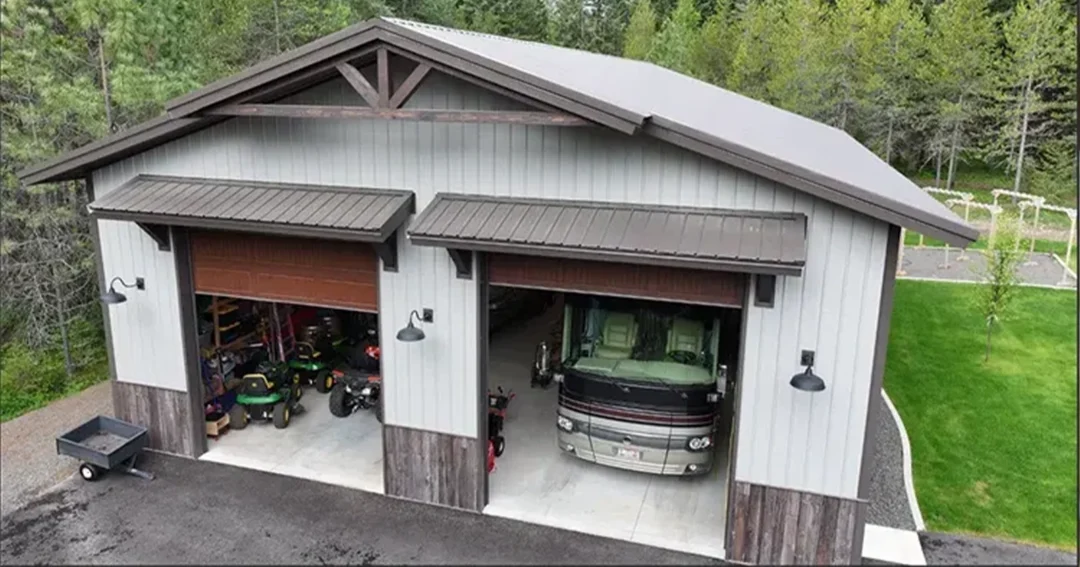
The overhead doors are one of the most important decisions in your garage layout because they determine how you use the space every day.
| Door Type | Common Uses and Notes |
| Standard overhead sectional | The most common choice. Available in widths from 8 to 20 feet and heights from 7 to 14 feet. Great for standard vehicles. |
| Commercial-height overhead | Taller openings (14 to 16+ feet) for trucks, RVs, boat trailers, or equipment with tall clearance needs. |
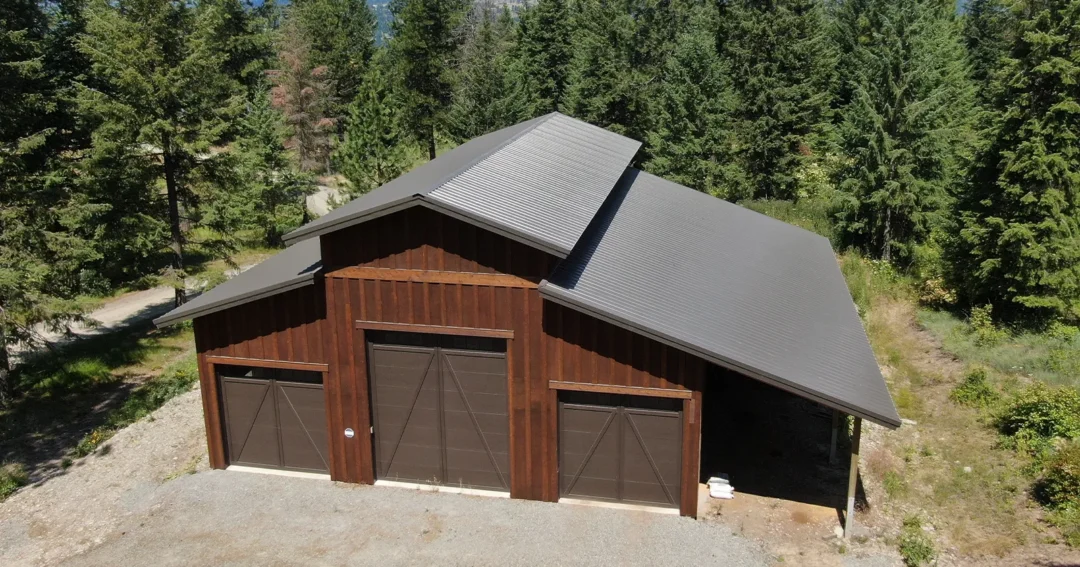
| Sliding barn doors | Traditional aesthetic and useful for very wide openings. Slower to operate than sectional doors but a popular look for agricultural-style garages. |
| Walk-through entry doors | Standard 3-foot man doors on the side or rear of the building for easy access without opening the main overhead doors. |
Most buyers on a 30×40 or 40×60 choose two or three standard sectional overhead doors across the front, giving them flexibility to open one or all bays as needed. If you are storing an RV or large equipment, plan for at least one 14-foot tall opening.
What Does a Pole Barn Garage Cost?
Cost varies significantly based on size, features, finish level, and your location. As a general reference point, here are rough turnkey cost ranges for common sizes in the Pacific Northwest and Intermountain West region SSA serves:
| Size | Estimated Turnkey Range |
| 24×24 | $30,000 to $50,000 |
| 30×40 | $45,000 to $75,000 |
| 40×60 | $75,000 to $120,000 |
| 40×80 | $100,000 to $160,000 |
| 50×80 | $130,000 to $200,000+ |
These are estimates for turnkey builds including concrete floor, framing, roofing, siding, and standard overhead doors. Insulation, electrical, plumbing, HVAC, and interior finishing add to the base cost. Site prep, permits, and grading are additional variables.
What drives cost up the most? Concrete floor thickness, insulation package, number of overhead doors, door height (taller doors cost more), interior finishing, electrical service, and any plumbing or HVAC.
We have a full guide on pole barn pricing using actual project data.
Pole Barn Garage Ideas and Features to Consider
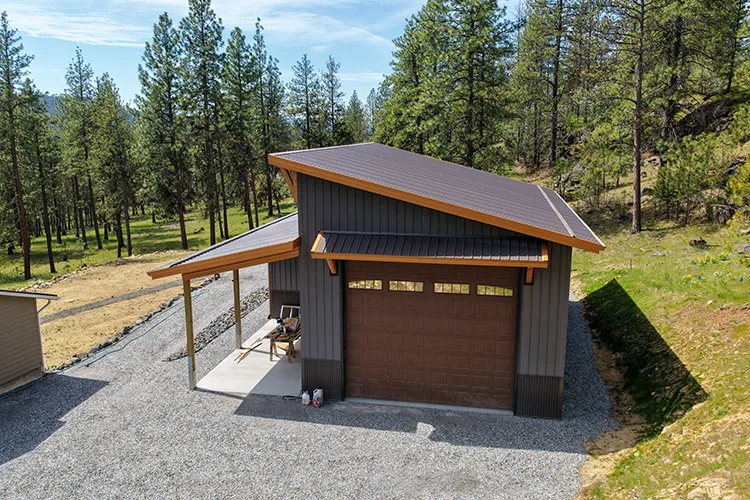
Part of the appeal of building a pole barn garage is the ability to customize it for exactly how you plan to use it. Here are some popular features and upgrades buyers commonly add.
Insulation
If you plan to use the garage in winter or work inside year-round, insulation is worth the investment. Spray foam, fiberglass batts, and rigid board are all options. A well-insulated garage is dramatically more comfortable and protects vehicles and equipment from extreme temperature swings.
Electrical Service
Even a basic garage benefits from good lighting and a few outlets. If you plan to run shop equipment, a vehicle lift, welding equipment, or EV charging, a larger electrical service panel is important to plan in from the start.
Concrete Floor Options
Standard 4-inch concrete works for most garages. If you plan to install a vehicle lift, consider 6-inch concrete in the lift area. A floor drain is a practical addition for washing vehicles or draining fluids.
Interior Wall Finish
Many buyers leave the interior framing exposed, which works fine for basic storage. Liner panels, OSB, or steel wainscoting are popular options that protect walls and make the interior cleaner and easier to maintain.
Exterior Color and Appearance
Pole barn garages are available in a wide range of panel colors and trim combinations. Two-tone exteriors with wainscoting are a popular look that gives the building a more refined appearance while protecting the lower wall section from dents and damage.
Gutters and Drainage
Proper roof drainage keeps water away from the foundation perimeter. Gutters and downspouts are a smart addition on any garage, particularly if you have landscaping or a concrete apron around the building.
Pole Barn Garage Permits and Codes
In most jurisdictions, a detached garage requires a building permit regardless of construction method. Requirements vary by county, city, and state, but you can generally expect to need:
- A site plan showing the location of the new structure on your property
- Setback compliance from property lines, easements, and existing structures
- Engineered drawings for larger structures
- Inspections at foundation, framing, and final completion stages
Your contractor should be familiar with local permit requirements in your area. At Steel Structures America, we help customers navigate the permit process as part of the project.
How to Find the Right Contractor for Your Pole Barn Garage

Not every contractor who builds pole barns builds quality pole barns. Here is what to look for when evaluating contractors:
- Experience with post-frame construction specifically, not just general construction
- Local references you can actually call and visit
- Clear, detailed written quotes that break down what is and is not included
- Knowledge of local permit requirements and building codes
- A track record of completed projects similar in size and scope to yours
For a full guide on evaluating and hiring a post-frame contractor, check it out.
Why Homeowners Choose Steel Structures America
Steel Structures America has been building custom pole barn garages, shops, and agricultural structures across Idaho, Washington, Oregon, Colorado, and Montana for years. We handle the full process from initial design and permitting through foundation, framing, and finish. Every building is engineered for the structural loads in your specific location, including wind and snow requirements.
We are a Perma-Column authorized builder, which means we offer a proven concrete column foundation system that eliminates wood-to-soil contact and dramatically extends the lifespan of your building.
If you are ready to talk about your garage project, we would love to hear what you have in mind. Contact us for a free quote, or give us a call at (866) 490-4012.