
Monitor Style and Gambrel Pole Barns: Roof Styles, Sizes, and Costs
A monitor style pole barn and a gambrel pole barn are two of the most distinctive and functional roof configurations in post-frame construction. If you have ever looked at an older dairy barn with its classic curved roofline or a large working farm shop with a raised center section and clerestory windows running along the ridge, you have already seen these styles in action.
These are not just aesthetic choices. Both roof styles significantly affect the interior height, usable space, ventilation, and overall functionality of the building. Understanding how each one works will help you decide whether a standard gable roof is right for your project or whether one of these designs gives you something your build genuinely needs.
What Is a Monitor Style Pole Barn?
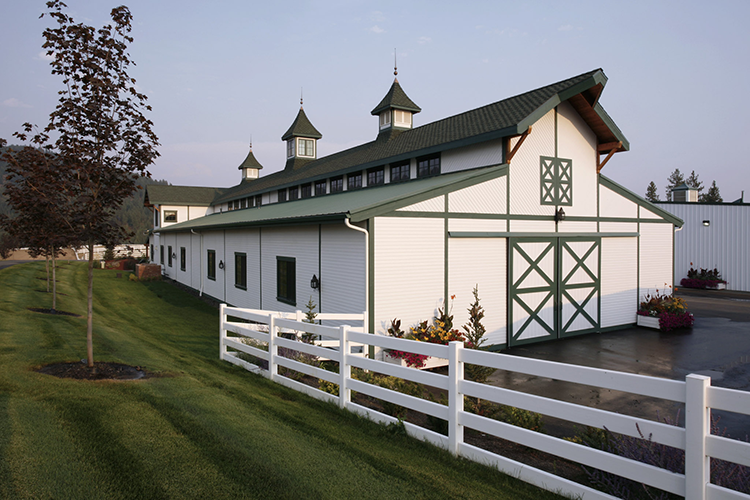
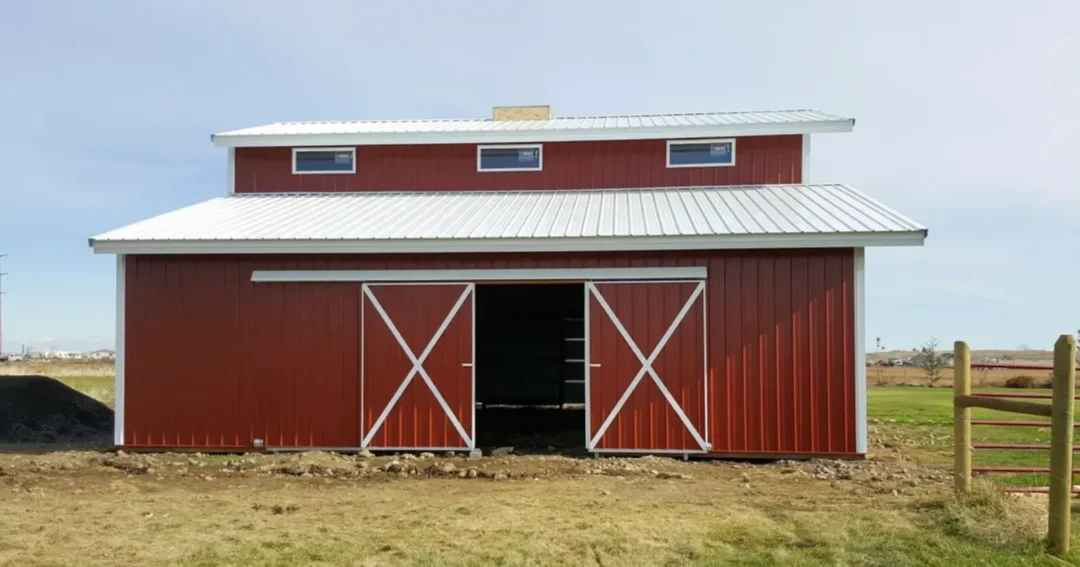
A monitor barn design is built around a raised center section that runs along the ridge of the building. The main roof slopes down to the eave walls as normal, but the center ridge is raised higher than the surrounding sections, creating a raised clerestory wall on each side of the peak. Those clerestory walls can include windows, vents, or open louvers that bring natural light and airflow into the interior.
The term raised center aisle pole barn is often used interchangeably with monitor style, particularly in agricultural settings where the raised center section runs the full length of the building and the lower side sections are used for stalls, storage, or equipment bays.
Monitor barns have a long history in American agricultural construction. They were originally designed to maximize natural light and ventilation in livestock barns before modern mechanical systems were available. Today they are used for the same functional reasons in agricultural buildings and are also popular with shop and hobbyist buyers who want a visually striking building with better interior light.
How a Monitor Roof Affects Your Interior Space
The most important practical effect of a monitor barn design is the added interior height at the center span. A standard gable roof gives you maximum height at the ridge, which then slopes down toward the eave walls. In a wide building, the usable full-height area in the center can be limited depending on the pitch.
A monitor roof raises that center section, effectively creating a taller interior space along the full width of the raised portion. In a livestock building, this translates to better air circulation and more comfortable conditions for animals. In a shop or equipment building, it means more ceiling clearance for tall lifts, overhead cranes, or tall equipment that would be tight in a standard gable building of the same footprint.
The clerestory windows on each side of the raised section also introduce a significant amount of natural light without requiring skylights or translucent roof panels, which can be a meaningful advantage in a working shop or barn.
We have a pole barn size selector article to give you a better idea of standard sizes.
What Is a Gambrel Pole Barn?
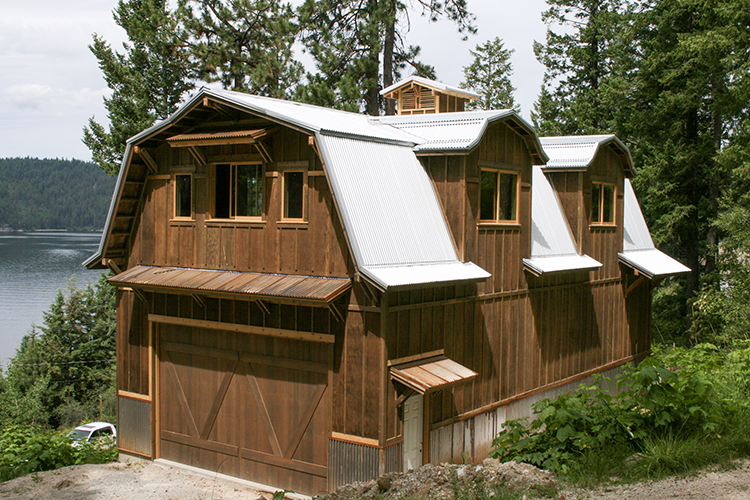
A gambrel roof pole barn uses a two-slope roof design on each side of the building. Instead of a single slope from the ridge to the eave, the gambrel roof has a steeper lower slope and a shallower upper slope, creating the classic barn profile that most people immediately recognize as a traditional American barn shape.
The geometry of a gambrel roof creates a much larger upper interior volume than a standard gable roof of the same width. Because the steeper lower slopes extend the usable wall height before the roof begins to angle in sharply, the upper space inside a gambrel barn is significantly more accessible than the equivalent area in a gable building.
This makes gambrel pole barn designs popular for buildings where the upper space needs to be genuinely usable, not just technically present. Hay storage is the most obvious traditional application. A gambrel barn stores dramatically more hay volume than a gable barn of the same footprint, which is why the style became so common on working farms historically and why it still makes practical sense for agricultural storage today.
How a Gambrel Roof Affects Interior Volume and Layout
The practical payoff of a gambrel roof comes down to two things: usable upper floor space and hay or material storage capacity.
In a standard gable barn, the upper area near the walls becomes unusable quickly as the roof angle cuts in. In a gambrel design, the steep lower slope carries the wall farther up before the shallower upper slope begins, which means the floor of any upper level can span a much larger portion of the building’s width before headroom becomes restrictive.
For buyers who want a workshop or hobby barn with genuine upper level storage or a finished loft area, a gambrel roof is worth serious consideration. The upper space is genuinely accessible rather than being a narrow attic that requires crawling.
Monitor Style vs. Gambrel: Which Is Right for Your Build?
| Feature | Monitor Style | Gambrel |
| Primary advantage | Center height, ventilation, natural light | Upper storage volume, loft space |
| Best for | Livestock, large shops, equipment with height needs | Hay storage, loft-style shops, hobby barns |
| Aesthetic feel | Working agricultural, industrial | Classic farm barn, traditional |
| Cost vs. standard gable | Higher (more framing, clerestory walls) | Higher (more complex roof framing) |
| Interior light | Excellent (clerestory windows) | Standard (requires windows or vents) |
| Snow load consideration | Engineer for valley framing | Engineer for slope transition |
Common Sizes for Monitor and Gambrel Pole Barns
Both monitor and gambrel styles are built across a wide range of footprints. Here is how the most common sizes apply to each roof type.
Explore pole barn sizes further in this pole barn sizes guide.
Monitor Pole Barn Sizes
Monitor barns are most commonly built in mid-size to large footprints because the raised center section adds the most value when the building is wide enough to benefit from the extra height and light. Smaller buildings in the 24×30 or 30×40 range can be built with a monitor roof, but the cost premium makes less sense at that scale.
The most common monitor pole barn footprints range from 36×60 to 60×120. Agricultural and livestock applications tend toward the larger end, while shop and hobby builds are more common in the 40×60 to 50×80 range. The width of the raised center section typically runs 30 to 50 percent of the total building width, with the remainder covered by the sloped side roof sections.
Gambrel Pole Barn Sizes
Gambrel barns are built at almost every residential and agricultural footprint. The roof style makes the most sense in buildings where upper level storage or loft space is a priority. Common sizes for gambrel pole barns range from 30×40 to 60×100.
For hay or grain storage, the classic gambrel footprint runs from 40×60 to 60×100, with the upper level designed for maximum hay volume and the lower level used for equipment or livestock. For hobby and shop applications, 30×40 to 40×60 is the most common range.
One important note on gambrel sizing: the roof framing is more complex than a standard gable, which means the width of the building affects the geometry and the structural approach more directly than in simpler designs. Wider gambrel barns require more careful engineering to maintain structural integrity through the slope transition.
Monitor Pole Barn Cost: What to Expect
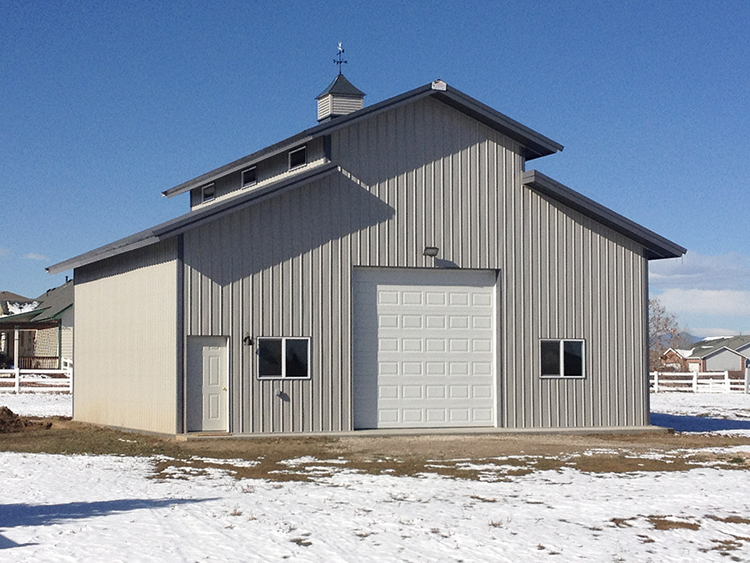
A monitor style pole barn will generally cost more than a standard gable barn of the same footprint. The additional framing required for the raised center section, the clerestory walls, and the valley framing where the center section meets the lower roof sections all add material and labor cost.
The premium for a monitor barn design compared to a standard gable typically runs in the range of 15 to 30 percent depending on the size of the building and the design of the raised section. A wider raised section with operable windows and ventilation louvers will push toward the higher end of that range.
That said, buyers who choose a monitor design for working agricultural or shop use often find the functional value of the additional interior height and natural light worth the cost difference. The cost of adding electric lighting to compensate for a darker interior in a large building adds up over time, and the ventilation benefit in a livestock barn has real operational value.
Gambrel Pole Barn Cost: What to Expect
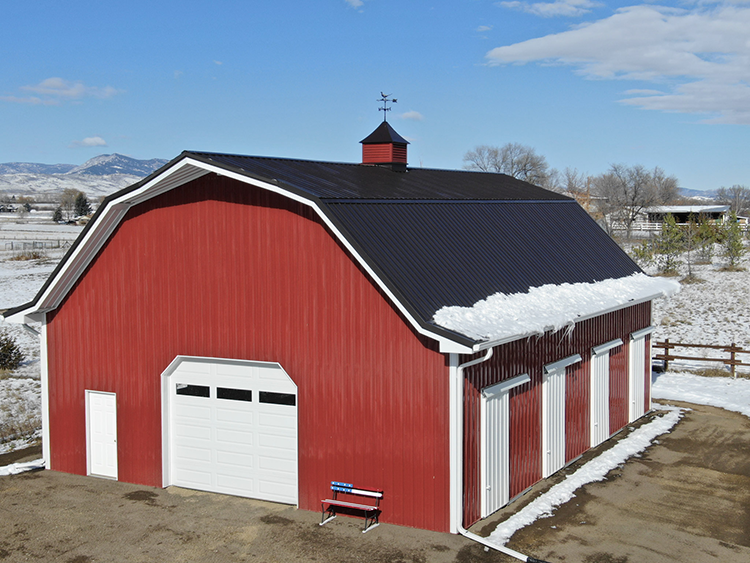
Gambrel roof pole barns also carry a cost premium over standard gable construction. The more complex truss geometry required for the two-slope profile means higher framing costs, and the engineering requirements for the transition between slopes add to the overall project price.
For most builds, a gambrel roof adds somewhere in the range of 10 to 25 percent to the structure cost compared to a standard gable of the same footprint. The actual number depends on the size of the building, the pitch of each slope section, and whether the upper space is finished as a true loft floor or left as open upper storage.
If you are adding a finished loft with flooring, a staircase, and any mechanical connections, the additional cost scales accordingly. But for a hay storage or simple upper-level agricultural use, the gambrel premium is primarily in the roof framing itself.
Gambrel Pole Barn Ideas Worth Considering
Here are some of the most practical applications for gambrel pole barns that buyers in agricultural and hobby markets are building today.
- Traditional hay storage barn with livestock stalls on the lower level and open hay mow above
- Hobby farm barn with a finished upper loft used as a studio, office, or guest space
- Equipment storage on the ground floor with organized overhead storage on the loft level
- Classic-look residential garage with a finished bonus room or workshop above
- Workshop barn with the lower level as a fully equipped shop and the upper level as parts and material storage
Gambrel barns are also popular in hobby farm and homestead builds where the traditional aesthetic matters as much as the functional benefits. If you are building a property that you want to look like a working farm rather than an industrial facility, a gambrel design delivers that visual feel naturally.
Working with a Contractor on Monitor or Gambrel Designs
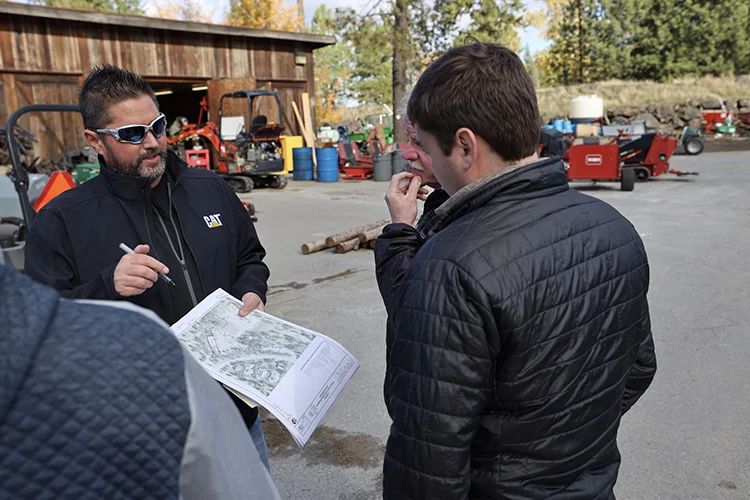
Both monitor and gambrel roof styles require more planning and engineering coordination than a standard gable pole barn. If you are seriously considering either design, the conversation with your contractor should start earlier in the planning process than it would for a simpler build.
Key questions to work through with your contractor include the size and proportion of the raised section or roof slopes, the snow load requirements for your region and how they apply to the framing design, the ventilation and window configuration you want in the clerestory or upper section, and whether the upper space in a gambrel design needs a finished floor or any structural reinforcement for storage loads.
Steel Structures America builds pole barns including monitor and gambrel designs across Idaho, Washington, Oregon, Colorado, Montana, and surrounding states. If you are interested in either roof style for your build, we are happy to walk you through the design options and what they mean for your budget and timeline.
Call us at (866) 490-4012 or get in touch online to start the conversation.