
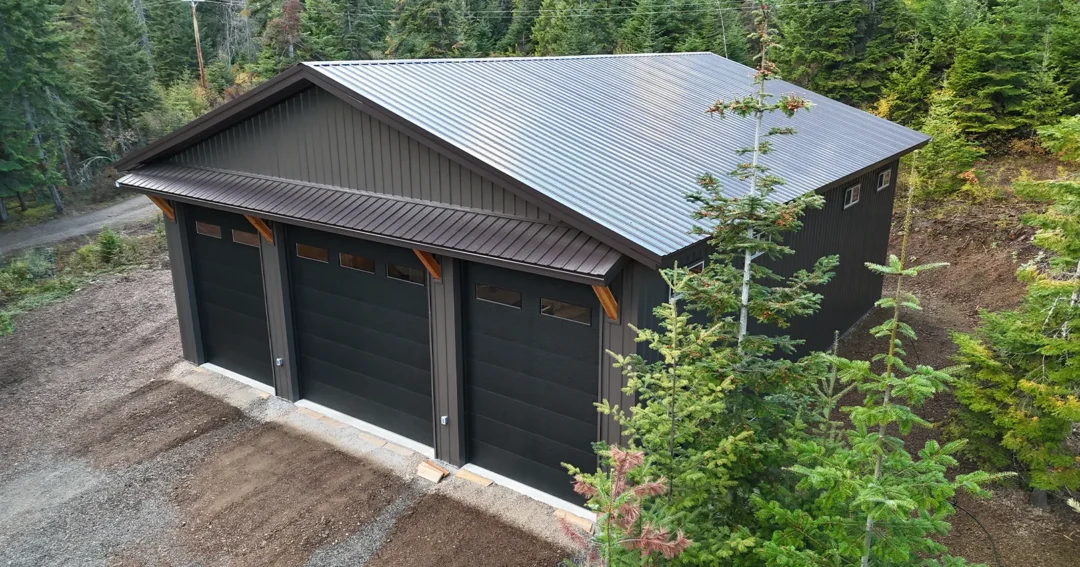
Types of Post-Frame Buildings: Which One Is Right for Your Property?
Post-frame buildings are one of the most adaptable construction systems ever developed, which is why you see them on cattle ranches in eastern Colorado, hobby farms outside Bend, Oregon, residential acreage near Billings, Montana, and commercial properties across the Pacific Northwest. The basic structural approach is the same with large vertical posts, engineered trusses, and a metal exterior, but what gets built on top of that foundation varies quite a bit depending on what the owner actually needs.
If you are trying to figure out which type of post-frame building makes sense for your property, this guide walks through every major category, what each one is built for, and how buyers in different parts of the region tend to approach the decision.
What Makes Post-Frame So Versatile?
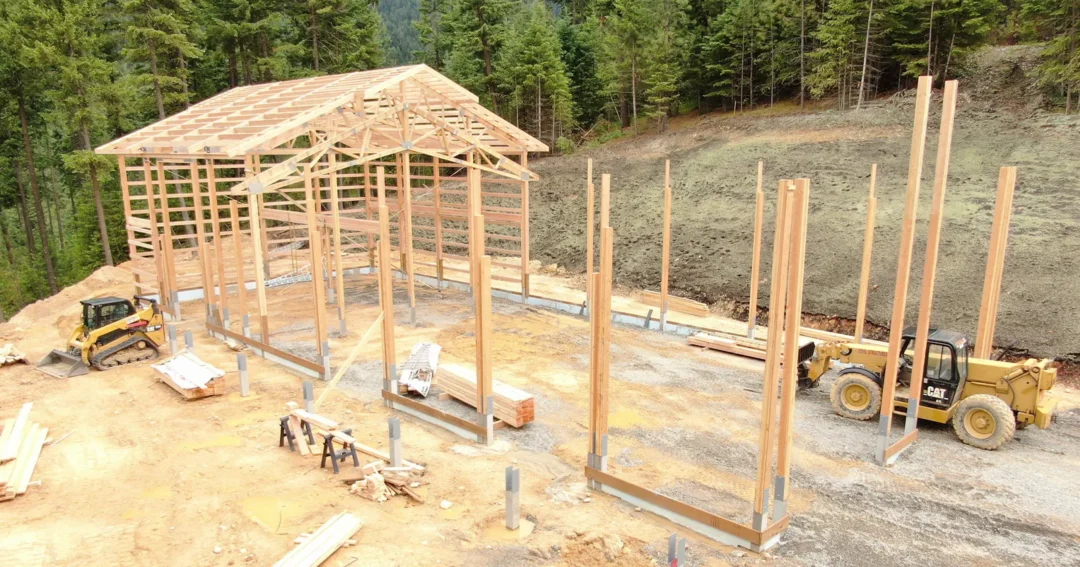
The reason post-frame construction lends itself to so many different building types comes down to a few structural advantages. The wide post spacing creates a naturally open interior with minimal load-bearing columns getting in the way. The truss system can span large widths without interior support. And the exterior shell can be left simple for agricultural use or built out with insulation, interior walls, plumbing, and HVAC for full residential or commercial occupancy.
That range, from a simple hay shelter to a finished home with a shop attached, is unusual for a single building system, and it is a big part of why post-frame construction continues to grow in popularity across the region.
Agricultural Post-Frame Buildings
Agricultural buildings are where post-frame construction has its deepest roots, and they remain one of the most common project types across the Mountain West and Pacific Northwest. The structural advantages of wide clear spans, open interiors, and large door openings line up naturally with what farmers and ranchers actually need.
Equipment and Machinery Storage
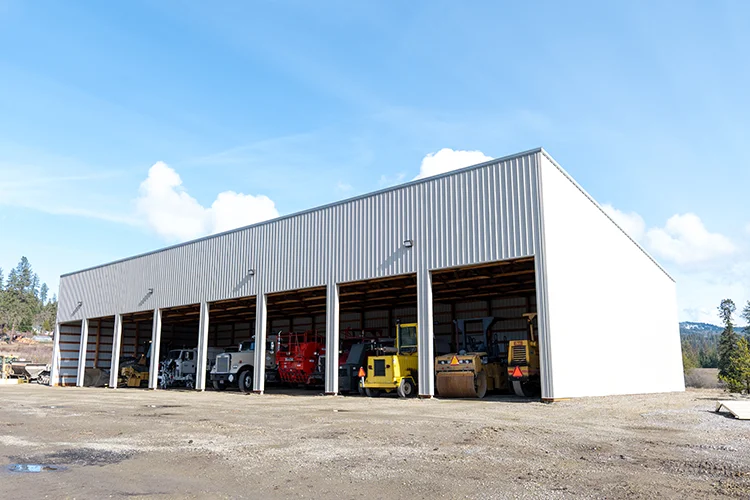
Equipment storage buildings are among the most practical applications of post-frame construction. A modern combine, tractor, or piece of tillage equipment needs a tall, wide door opening and enough interior clearance to maneuver. Post-frame buildings can accommodate 14-foot or 16-foot overhead doors without complicated structural gymnastics, and the clear-span interior means there are no columns to navigate around.
In Colorado, where large-scale dryland and irrigated farming operations are common along the Front Range and eastern plains, equipment storage buildings in the 60×100 to 80×120 range are a consistent project type. Agricultural pole barns in Colorado frequently need to be engineered for high wind loads as well, particularly on the open plains east of the mountains.
Hay and Grain Storage
Hay storage buildings have their own specific requirements: good ventilation to prevent moisture buildup, either open-sided or enclosed depending on the climate, and enough vertical clearance for stacking. Post-frame construction handles all of this well, and the ability to build without a concrete floor makes hay storage structures more economical in areas where a gravel or compacted base is sufficient.
Livestock Barns
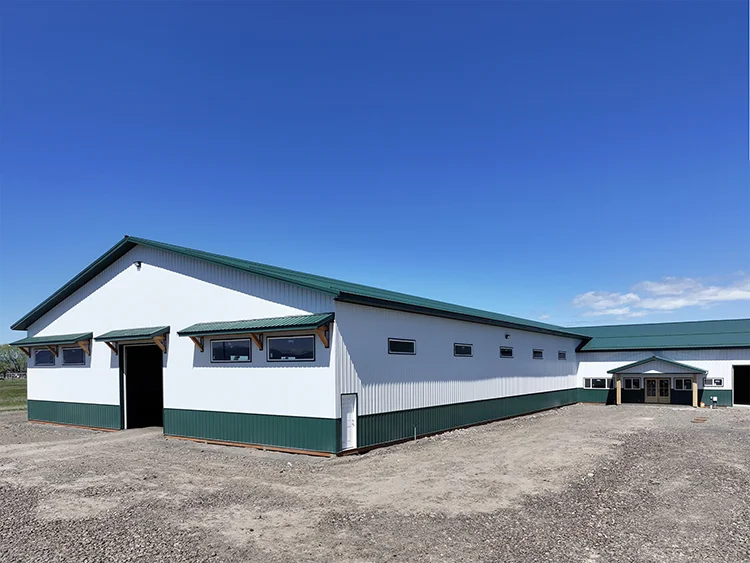
Livestock applications range from simple loafing sheds and run-in shelters to fully enclosed cattle barns, hog facilities, and poultry buildings. The specific design depends on the livestock type and the climate. In Montana, where winters are long and harsh, enclosed livestock buildings with proper ventilation are the norm. In milder parts of Oregon and Washington, partially open designs with lean-to additions are common.
Horse Barns
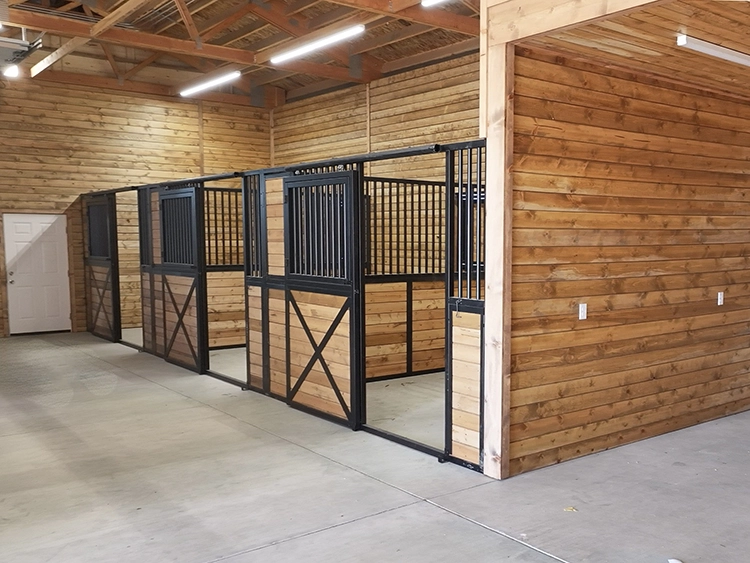
Equestrian buildings occupy a distinct niche within the agricultural category. Horse barns typically require individual stall configurations, tack rooms, hay storage, and often an attached or adjacent arena. These projects attract a different buyer than production agriculture — equestrian buyers tend to place more emphasis on aesthetics, interior finish quality, and the overall presentation of the facility.
Post-frame construction works exceptionally well for horse barns because of the clear-span capability and the flexibility to configure the interior in almost any arrangement. A 40×80 or 50×100 post-frame building can accommodate a center-aisle barn with stalls on both sides and still leave room for a tack room and wash rack.
Shop Buildings and Contractor Facilities
Shop buildings are the most common type of post-frame project for non-agricultural buyers, and the range of uses within this category is broad.
Hobby Shops and Toy Storage
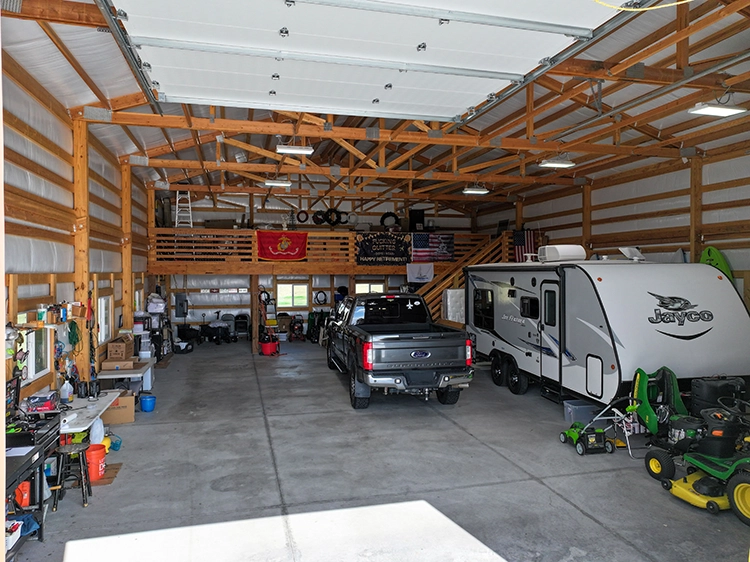
Acreage owners building a shop for recreational equipment (boats, RVs, ATVs, classic cars, side-by-sides) make up a significant portion of the post-frame market in states like Idaho, Washington, and Oregon. These buyers tend to prioritize tall overhead doors, a clean concrete floor, and enough width to move equipment comfortably. A 40×60 or 50×80 post-frame shop covers most of what this buyer needs.
In the Bend, Oregon area, where outdoor recreation is central to local culture, hobby shop buildings on acreage parcels are a consistent project type. The climate there also pushes buyers toward insulated and finished interiors more than in some drier parts of the region.
Woodworking and Hobbyist Shops
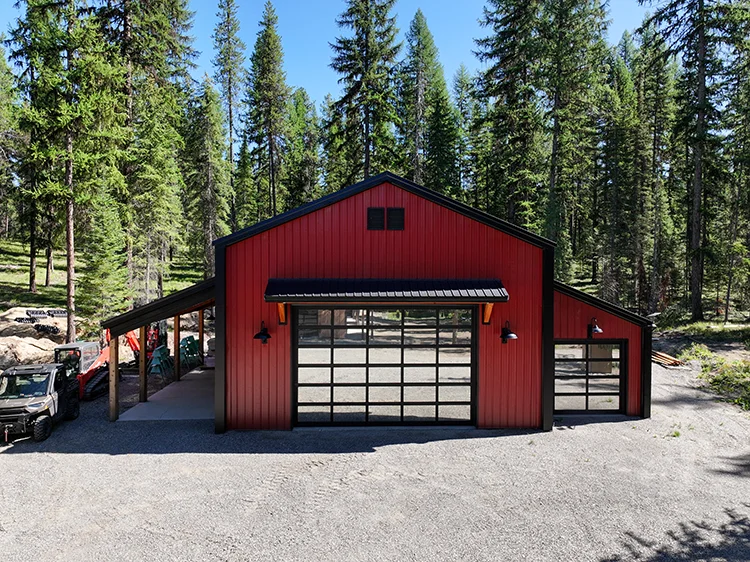
Dedicated hobbyist shops for woodworking, metalworking, or other trades have different requirements than simple storage buildings. These buyers typically want finished walls and ceiling, good lighting, 220-volt electrical service, and climate control. The post-frame shell provides the structure; the finish work turns it into a functional workspace.
Contractor Shops and Business Facilities
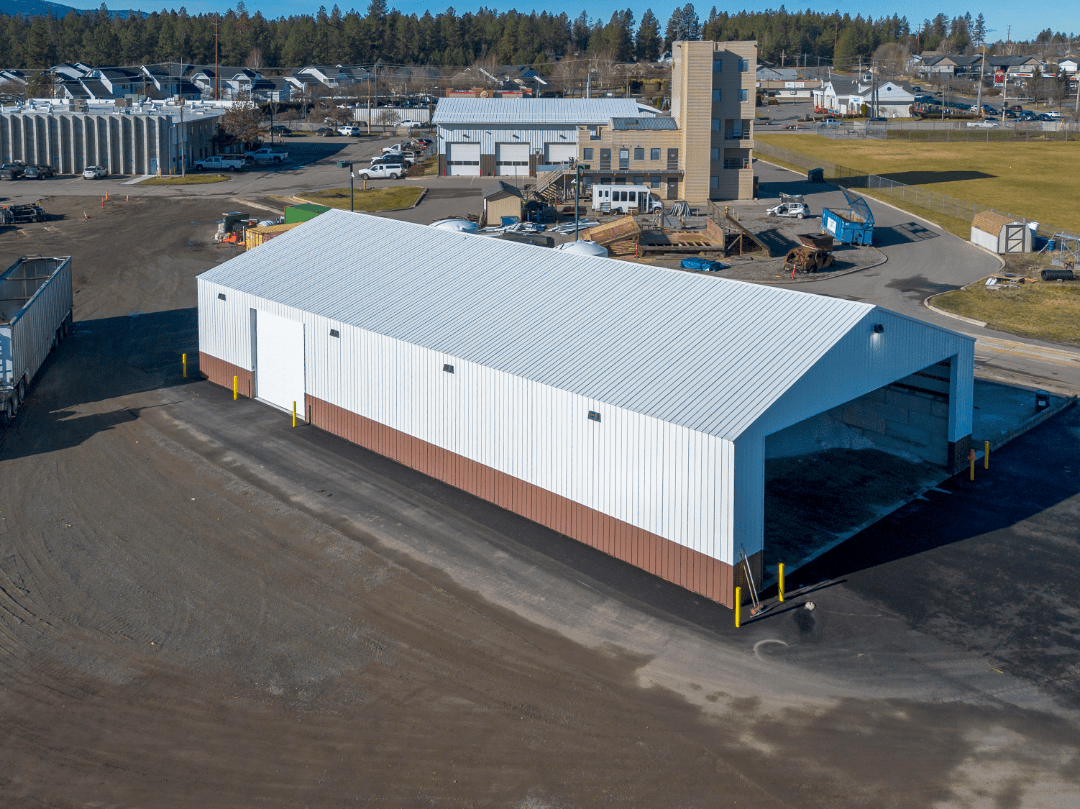
Contractors such as excavators, landscapers, plumbers, electricians, and general builders, often build post-frame shops to serve as their operational hub. These buildings need to accommodate trucks and trailers, store equipment and materials, and sometimes include a small office space. A typical contractor shop runs 50×100 or larger, with multiple overhead doors and high eave heights.
In Colorado Springs and the broader Front Range corridor, contractor shop buildings are a frequent project type as the construction and trades industries there continue to grow. These buyers typically need engineered drawings with stamped snow and wind load calculations specific to their elevation and site location.
Post-Frame Garage Buildings
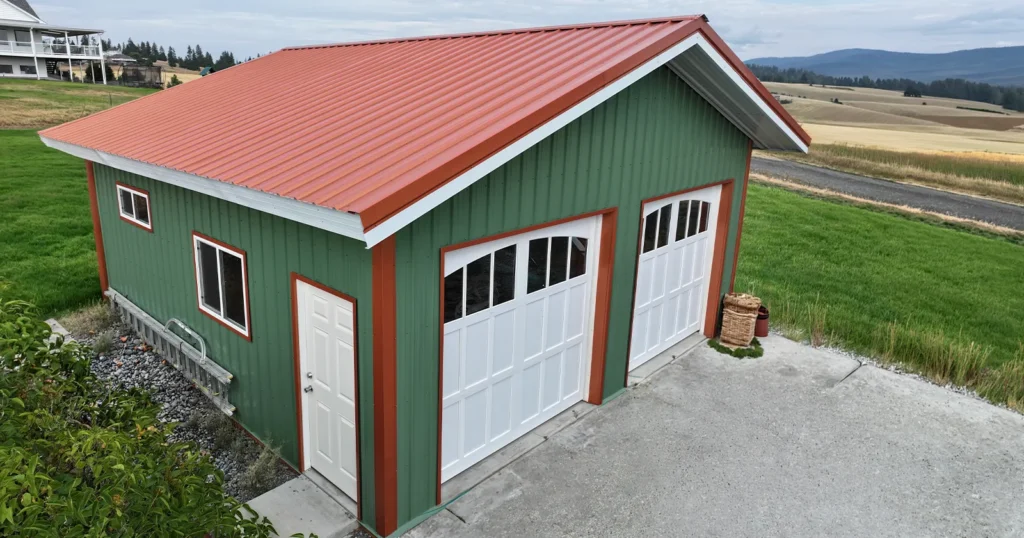
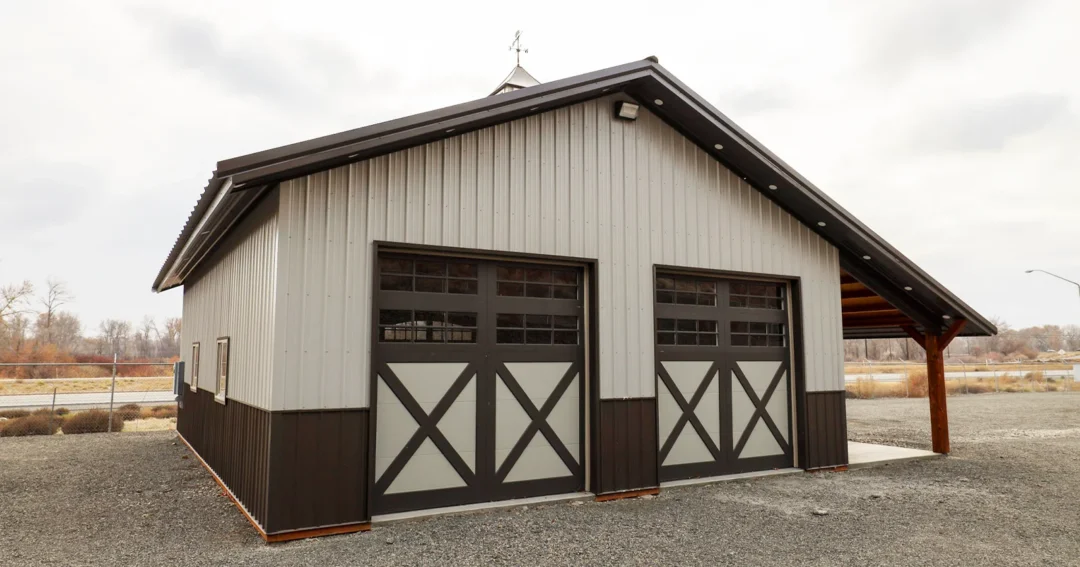
Detached garages are one of the highest-volume categories in the post-frame market, driven by homeowners who need more vehicle storage than a standard attached garage provides. The range runs from basic two-car structures to large multi-bay garages with workshop space and finished interiors.
What separates a post-frame garage from a standard stick-built detached garage is the combination of faster construction, lower cost at larger sizes, and the flexibility to include features like oversized overhead doors and lean-to additions that would be structurally complicated in stick-frame construction.
Post-Frame Barndominiums
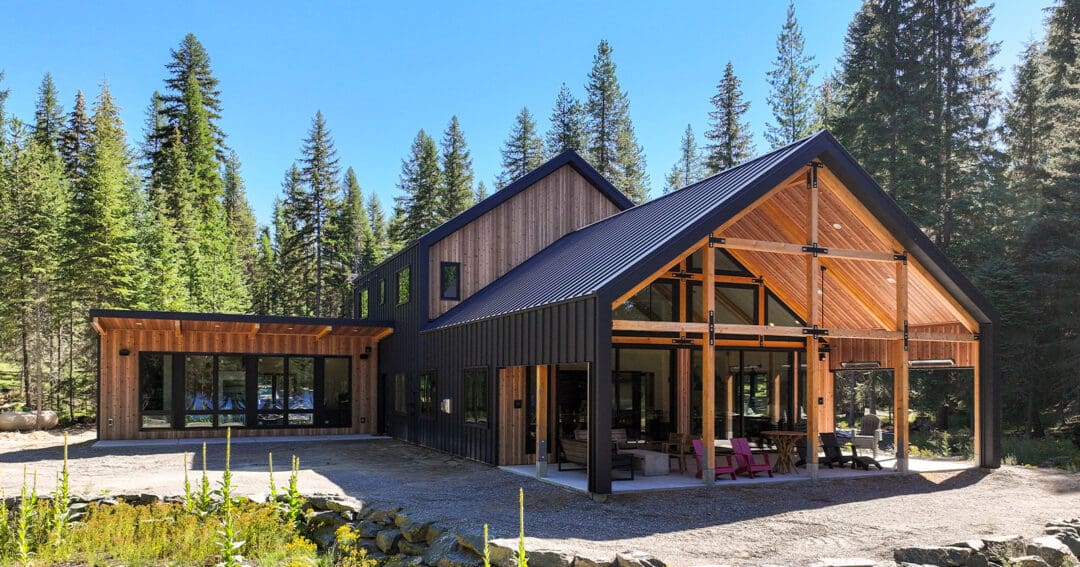
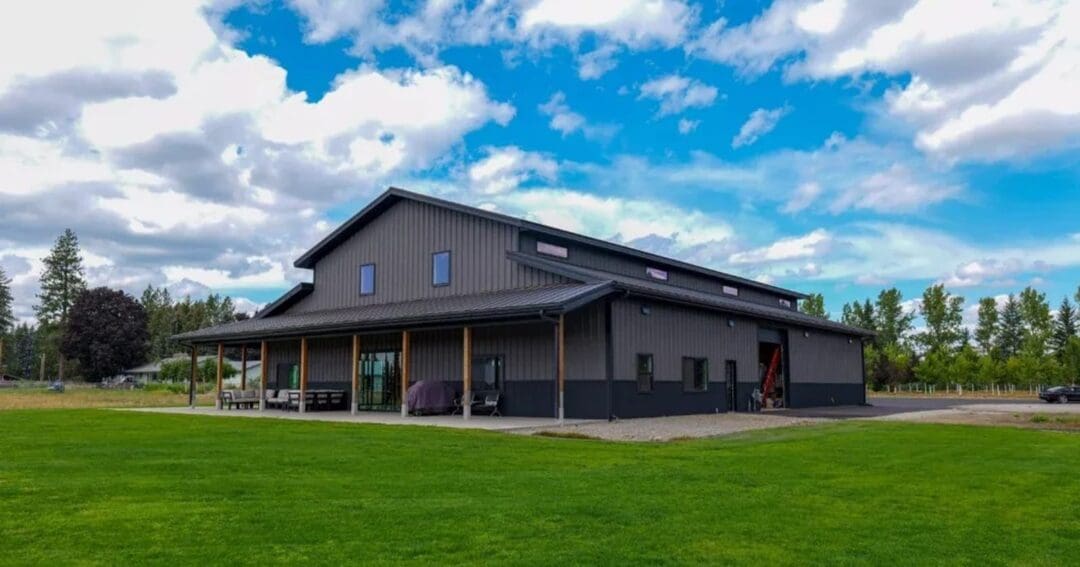
The post-frame barndominium is one of the fastest-growing segments in the residential building market, and for good reason. A post-frame barndominium combines the structural efficiency and wide open interior of a pole barn with full residential living quarters all under one roof.
The appeal is straightforward: buyers get significantly more square footage for the money compared to traditional custom home construction, the wide-open floor plan is easier to customize than a conventionally framed home, and the metal exterior is low-maintenance and durable in virtually any climate.
Post-Frame Barndominiums in Oregon
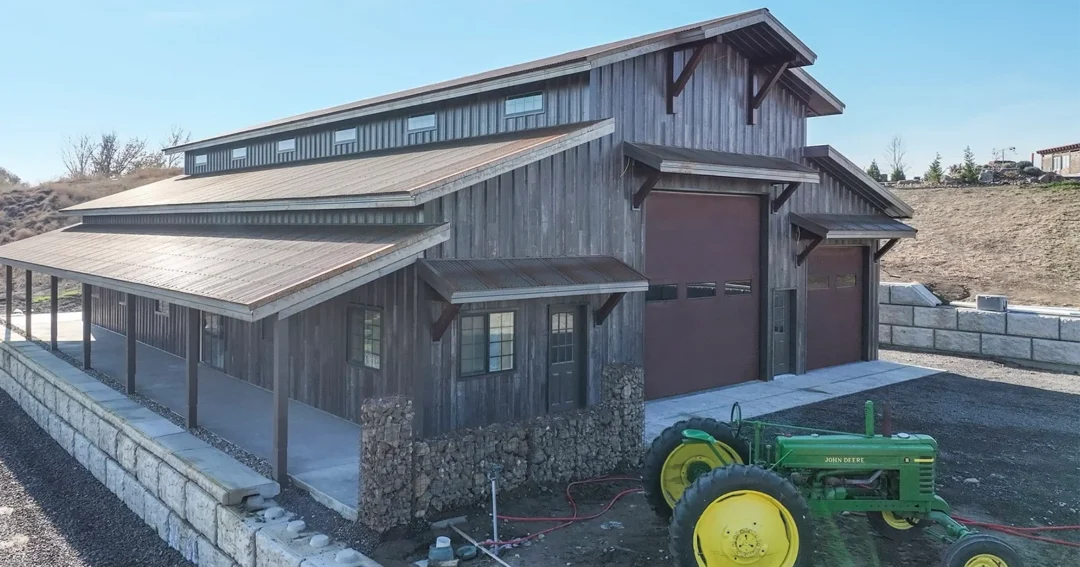
Post-frame barndominiums in Oregon have grown considerably in popularity, particularly in rural parts of the Willamette Valley, central Oregon around Bend and Redmond, and the eastern part of the state. Oregon’s climate diversity plays into building design. Buyers in the wetter western valleys often prioritize vapor management and insulation systems more aggressively than buyers in the drier high desert areas.
Oregon also has a strong culture of rural land ownership and agricultural lifestyle, which makes the barndominium concept a natural fit. Many post-frame barndominium buyers in Oregon are combining a residential living space with a shop or agricultural component on the same footprint.
Post-Frame Barndominiums in Colorado
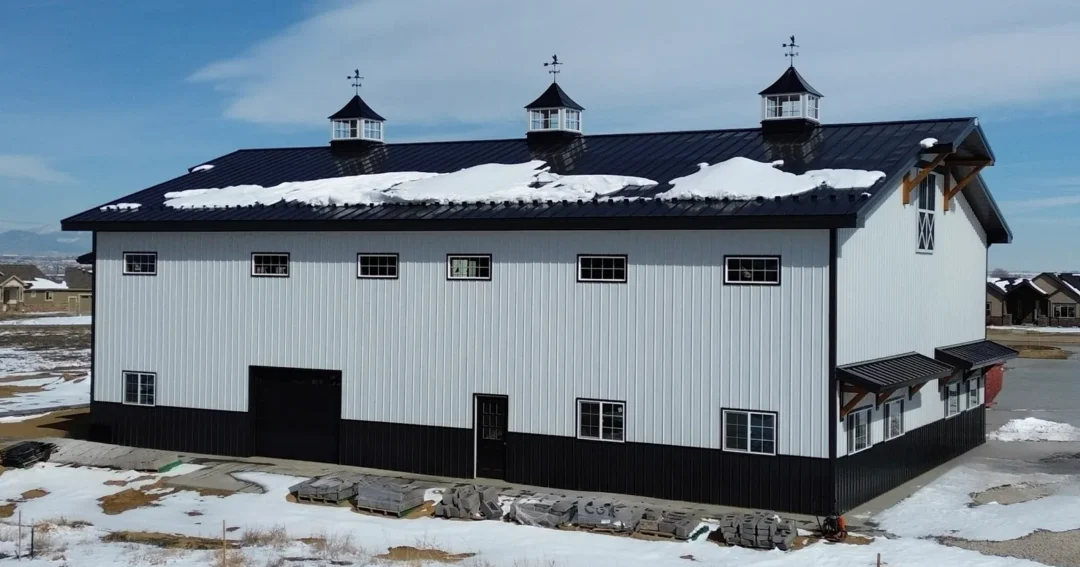
Colorado’s barndominium market is concentrated heavily along the Front Range and in the mountain foothills, where buyers are purchasing acreage and looking for an alternative to traditional custom home construction. The elevation and climate in much of Colorado introduces specific engineering requirements — buildings need to be designed for significant snow loads at higher elevations, and wind loads on the eastern plains can be substantial.
A post-frame barndominium in Colorado Springs or the surrounding area typically involves a contractor who understands the local permit process through El Paso County and can provide engineer-stamped drawings that meet local load requirements. The combination of a finished residential living space with an attached shop or large garage is a particularly popular configuration in this market.
Post-Frame Barndominiums in Montana
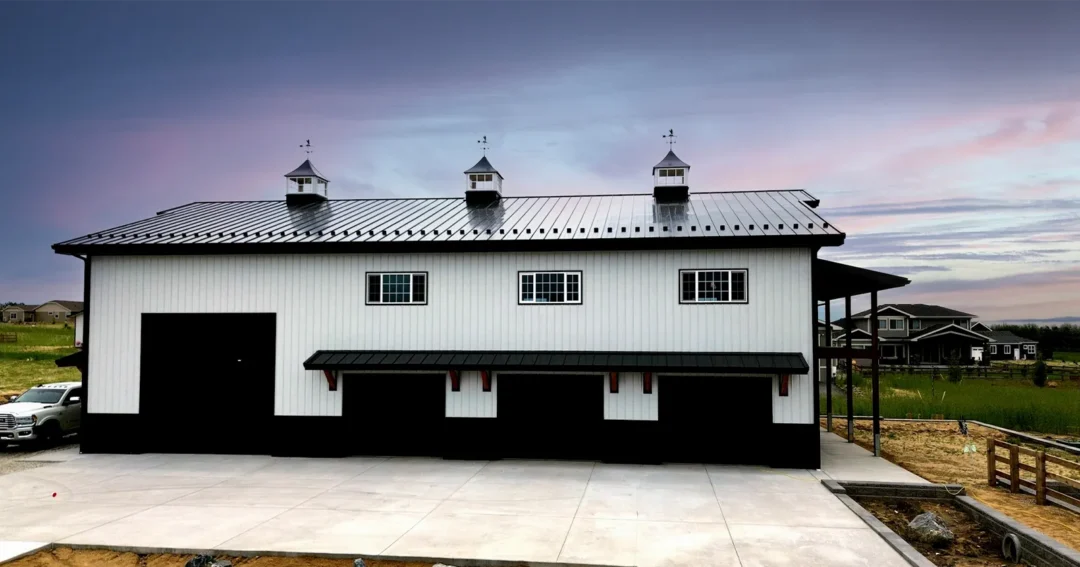
In Montana, the barndominium concept connects naturally to the state’s ranching and rural lifestyle culture. Billings and the surrounding Yellowstone County area see consistent demand for post-frame residential projects, as do the Bozeman and Missoula corridors. Montana’s climate is demanding — cold winters and significant snow loads in many parts of the state — which makes the durability of post-frame construction with a well-engineered metal exterior particularly appealing.
Many Montana barndominium buyers are also incorporating shop or agricultural space into the same building, making the combined shouse or shop-home configuration a common choice.
Shouses and Metal Shop Homes
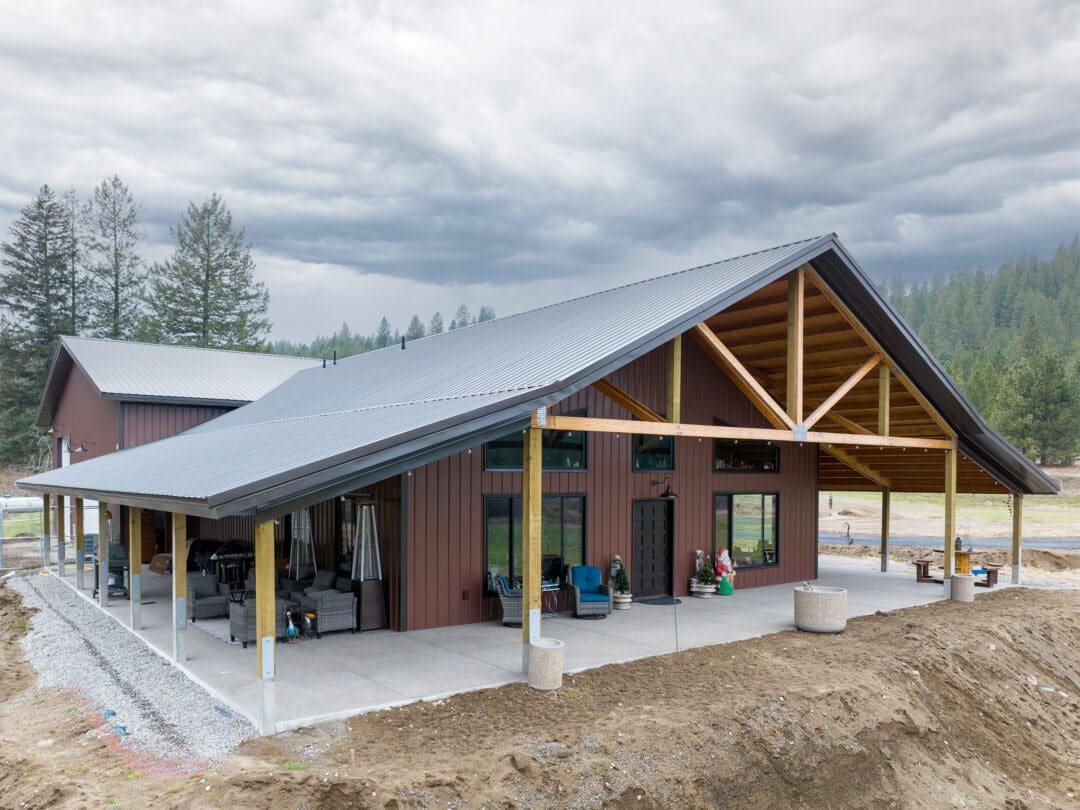
The shouse (short for shop-house) is a close relative of the barndominium. The primary distinction is emphasis: in a barndominium, the residential living space tends to be the focal point, with shop or garage space incorporated alongside it. In a shouse, the shop or working space is often the primary driver, with the living quarters built into one end or side of the structure.
Post-frame construction is a natural fit for shouses because the clear-span interior makes it easy to create a large, unobstructed shop floor while still integrating a comfortable living space in the same building envelope. Buyers in this category are often small business owners, contractors, or trades people who want their home and their work facility on the same property.
Commercial Post-Frame Buildings
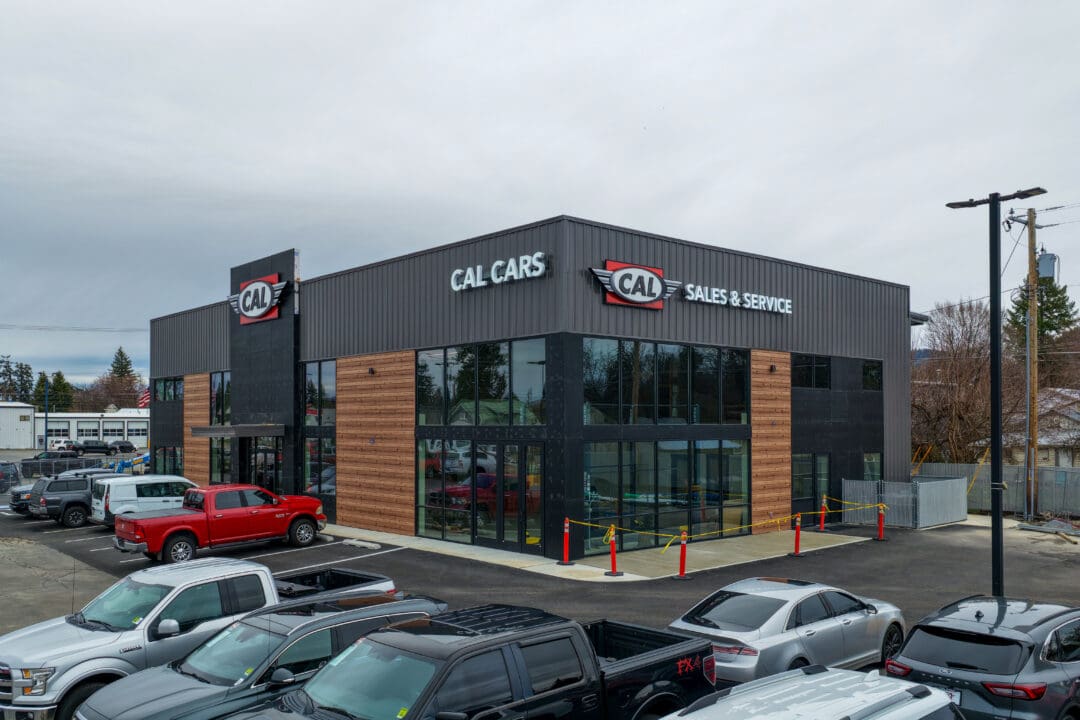
Post-frame construction scales well into commercial applications — storage facilities, light industrial buildings, retail buildings in rural markets, and multi-use commercial structures. The economics of post-frame become increasingly attractive at larger sizes, which is why commercial buyers often find it competitive with pre-engineered steel building systems, particularly in the 40×100 to 80×200 range.
Commercial post-frame buildings typically require a higher level of engineering documentation than residential or agricultural projects, including stamped structural drawings, energy code compliance, and sometimes fire code considerations depending on the occupancy classification.
How Regional Factors Influence What Gets Built
While the same post-frame building types appear across the Pacific Northwest and Mountain West, regional factors shape what buyers tend to prioritize.
| Region | Common Project Types and Local Influences |
| Idaho (Post Falls, Coeur d’Alene, Boise area) | Heavy mix of hobby shops, agricultural buildings, and residential garages. Growing barndominium demand, particularly in rural areas outside the Treasure Valley. Climate is relatively mild in the north, more variable in southern Idaho. |
| Washington (Spokane, Eastern Washington) | Strong agricultural building demand in the Palouse and Columbia Basin. Contractor shops and commercial buildings common in the Spokane metro. Barndominium interest growing in rural Spokane County and surrounding areas. |
| Oregon (Bend, Willamette Valley, Eastern Oregon) | Bend area sees strong hobby shop and barndominium demand tied to outdoor recreation culture. Western Oregon’s wet climate pushes insulation and vapor management to the forefront of any post-frame project. Eastern Oregon has more traditional agricultural building demand. |
| Colorado (Front Range, Colorado Springs, Eastern Plains) | Barndominium demand concentrated on the Front Range. Agricultural pole barns common on the eastern plains. All projects require engineering attention to snow loads (mountains and foothills) and wind loads (eastern plains). Colorado Springs area has active permit requirements through El Paso County. |
| Montana (Billings, Bozeman, Missoula) | Traditional agricultural buildings, livestock barns, and equipment storage remain dominant. Barndominium and shouse demand growing, particularly around Billings and Bozeman. High snow load requirements across most of the state are a consistent engineering consideration. |
Choosing the Right Type for Your Property
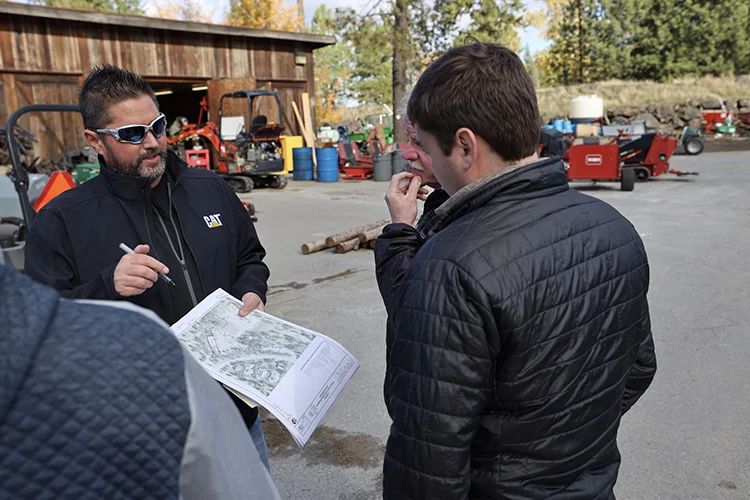
The right type of post-frame building depends on a straightforward set of questions: What are you storing or doing inside? Do you need a finished interior? Will people be living or working in the building on a regular basis? What does your local climate demand in terms of insulation, snow load engineering, and moisture management?
Once you have clear answers to those questions, the building type tends to follow naturally. A hobby shop buyer in Bend and an agricultural equipment buyer near Billings are starting from different places, but both can end up with a post-frame building that fits exactly what they need.
Steel Structures America builds post-frame buildings across Idaho, Washington, Oregon, Colorado, and Montana. If you are trying to figure out which type makes sense for your property and your budget, our team is glad to walk through the options with you. Reach out to start the conversation.