
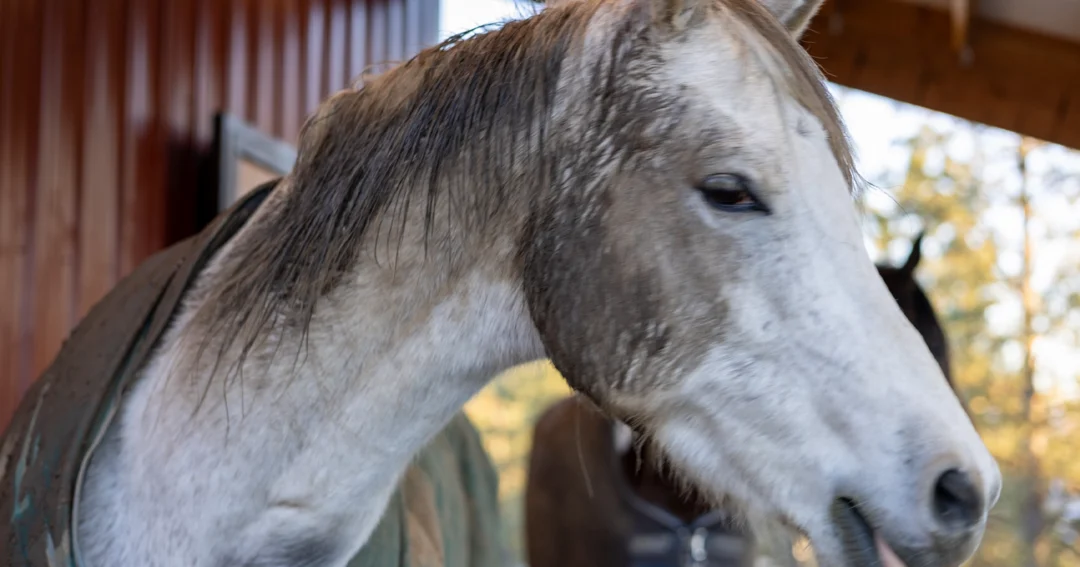
Horse Barns: Sizes, Designs, and What to Expect from a Contractor
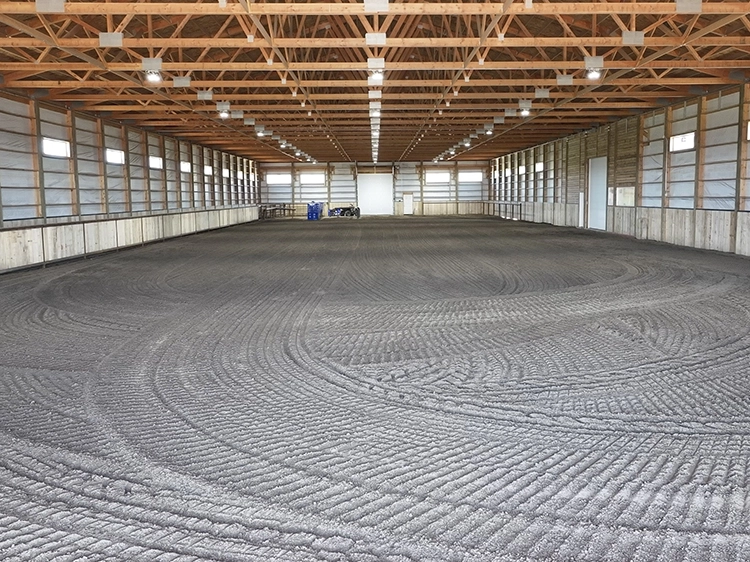
Horse barns are one of the most personal and purposeful buildings a rural property owner can invest in. Whether you are building a simple two-stall shelter for a small hobby farm or a full equestrian facility with multiple stalls, a tack room, a wash rack, and covered hay storage, the building needs to work as hard as your horses do. Post-frame construction is by far the most popular and practical method for building horse barns in the Pacific Northwest and Intermountain West, and for good reason. It delivers large clear-span interiors, fast construction timelines, and the flexibility to design a layout around how you actually use your property.
This guide covers everything you need to know before you start planning: horse barn sizes, stall layouts, design features worth building in from day one, and what to look for in a contractor.
Why Post-Frame Construction Is the Right Choice for Horse Barns
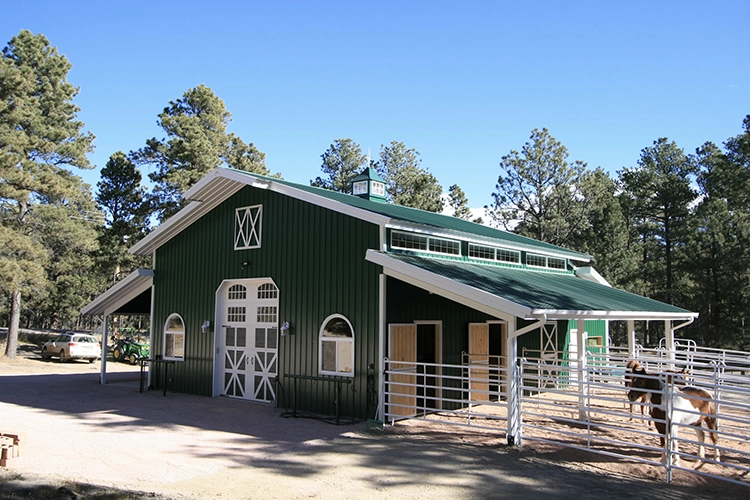
Post-frame construction, also called pole barn construction, is the industry standard for agricultural and equestrian buildings throughout the region. A few reasons it works especially well for horse facilities:
- Large clear-span interiors. Post-frame buildings do not require interior load-bearing walls, which means no columns in the middle of your aisleway. Horses and equipment move freely, and you have full flexibility in stall placement.
- Fast construction. A post-frame horse barn can typically be framed and dried-in faster than any other construction method, which matters when you are working around weather or a move-in date.
- Durable in harsh conditions. Metal roofing and siding systems hold up well in heavy snow loads, high winds, and the kind of daily abuse a working horse facility sees.
- Easy to expand. Need to add stalls or a lean-to storage wing later? Post-frame buildings are well-suited to future additions, which matters as your operation grows.
- Cost-effective at large spans. The larger the building, the more cost-efficient post-frame becomes compared to stick-built or steel construction.
Common Horse Barn Sizes: What Fits What
Horse barn size depends on the number of horses, the stall configuration, and what other features you want to include. Here are the most common footprints and what they typically accommodate:
| Building Size | Typical Stall Count | What Fits | Best For |
| 24×36 | 2 stalls | 2 stalls + small tack area | Small hobby farms, 1-2 horse properties |
| 30×40 | 2-3 stalls | 2-3 stalls + tack room | Small family operations |
| 36×48 | 3-4 stalls | 4 stalls + tack room + wash rack | Growing hobby farm or small boarding |
| 40×60 | 4-6 stalls | 4-6 stalls + full aisleway + storage | Mid-size equestrian operations |
| 40×80 | 6-8 stalls | 6-8 stalls + tack, wash, hay storage | Small boarding or training facility |
| 50×100+ | 8-12+ stalls | Full facility with multiple rooms | Boarding barns, training centers |
Important note on ceiling height: Standard horse barns should have a minimum of 10 to 12 feet of clearance from the floor to the lowest structural member. Horses and riders need clearance for safe movement, and taller ceilings improve ventilation. If you plan to include a hay loft, your contractor will typically design the loft so it does not intrude on stall or aisleway clearance.
Standard Horse Stall Sizing
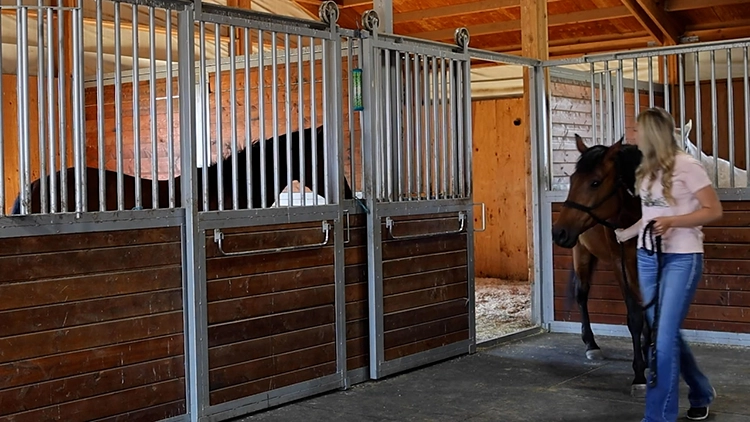
Individual stall size matters as much as the overall building footprint. Using undersized stalls creates safety risks and limits the horses you can comfortably house. Here is what most equine professionals recommend:
- Average horse: 12×12 feet is the industry standard minimum for a comfortable stall.
- Larger breeds (warmbloods, draft horses): 14×14 or 16×16 feet is preferred for comfort and safe movement.
- Foaling stalls: 16×16 or larger to give the mare space to move and the foal room to stand.
- Aisleway width: 12 to 14 feet is typical for a center-aisle barn. Wider is better if you plan to bring tractors or equipment into the building.
Your contractor will lay out the stall grid during the design phase. Be specific about your horse breeds and any plans to expand your herd so the layout accounts for growth.
Horse Barn Designs: Features Worth Building In from Day One
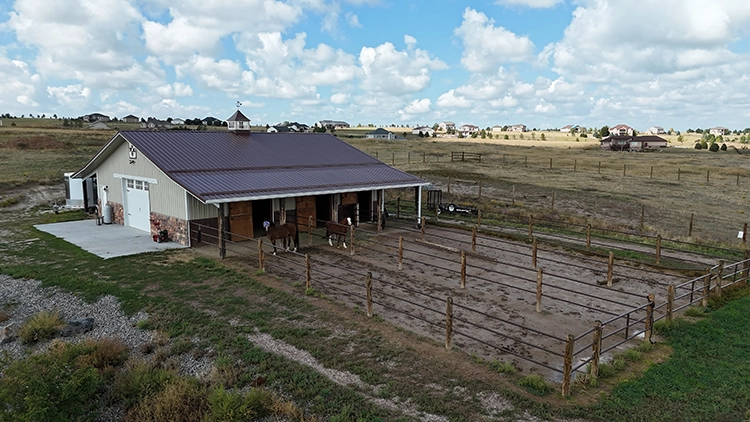
The features you include at the time of construction are almost always less expensive than adding them later. A good contractor will walk through each of these with you during the planning phase:
Tack Room
A dedicated tack room keeps your saddles, bridles, and equipment protected from dust, moisture, and theft. At minimum, plan for a 10×12 to 12×16 room with a lockable door, insulation, and electrical. Many owners add climate control to protect leather and prevent mold.
Wash Rack
A wash rack built into the barn is far more convenient than bathing horses outside. A standard wash rack is 10×12 to 12×14 feet with a drain, hot and cold water, rubber flooring or mats, and tie rings on at least two walls. Your contractor will coordinate plumbing rough-in during framing.
Hay and Bedding Storage
Storing hay inside the same structure as horses is possible but requires a fire-rated separation wall in most jurisdictions. Many owners prefer a separate lean-to addition on the side of the barn dedicated to hay and shavings. This keeps the main barn cleaner and reduces fire risk. A 16×40 or 20×40 lean-to is typical for moderate storage needs.
Aisleway and Overhead Doors
A center-aisle barn with large overhead doors at each end is the most common and functional layout. End doors that are at least 10 feet wide and 12 feet tall allow tractors, skid steers, and trailers to drive through for efficient cleaning and bedding delivery. Sliding doors are common on stall fronts and are easier for horses than swing doors in tight aisleways.
Ventilation
Ventilation is not optional in a horse barn. Ammonia buildup from urine and poor air circulation directly affects horse health. Your contractor should incorporate ridge vents or a vented ridge cap, eave vents or open eave overhangs, and ideally gable vents or cupolas to promote consistent airflow. Cupolas are both functional and classic on equestrian buildings and are worth including in your design.
Lighting and Electrical
Plan for more electrical capacity than you think you need. Horse barns regularly need lighting in every stall, aisle, and storage area, outlets for grooming equipment, feed warmers, and heat lamps in cold climates, and exterior lighting for evening chores. LED fixtures are the smart choice for longevity and visibility.
Flooring
Concrete aisleways with rubber mats are the most practical and durable option. Individual stalls are typically left as compacted stone dust or road base with rubber stall mats on top, which provides drainage and cushion. Your contractor handles the concrete work for the aisleway and any other poured surfaces, while stall matting is typically purchased and installed separately.
Horse Barn Cost: What to Expect
Horse barn costs vary considerably depending on size, features, site conditions, and the region you are building in. The ranges below reflect turnkey post-frame construction in Idaho, Washington, Oregon, Colorado, and Montana. They include foundation, framing, metal roofing and siding, basic electrical rough-in, and standard doors. They do not include stall equipment, rubber matting, plumbing fixtures, or finish work beyond what is standard.
| Building Size | Basic Shell | With Tack Room + Wash Rack | Full Finish (Insulated, HVAC) |
| 24×36 (2 stalls) | $35,000 – $55,000 | $50,000 – $70,000 | $70,000 – $95,000 |
| 30×40 (3 stalls) | $45,000 – $70,000 | $65,000 – $90,000 | $90,000 – $125,000 |
| 40×60 (4-6 stalls) | $75,000 – $115,000 | $95,000 – $145,000 | $130,000 – $190,000 |
| 40×80 (6-8 stalls) | $100,000 – $150,000 | $130,000 – $185,000 | $175,000 – $250,000 |
| 50×100 (8-12 stalls) | $155,000 – $230,000 | $195,000 – $290,000 | $265,000 – $380,000+ |
These are general estimates. Actual pricing depends on steel costs at the time of your build, your site’s access and terrain, local permit requirements, and the specific features you choose. Request a detailed quote from your contractor that breaks out the cost of each component so you can make informed decisions about where to invest and where to simplify.
What Affects the Cost of a Horse Barn
A few factors have an outsized effect on the final cost of a horse barn project:
- Number of stalls. Each additional stall adds framing, a door opening, and divider walls. More stalls also typically mean a longer building, which affects roofing and siding costs.
- Aisle configuration. A simple shed-row barn (stalls in a single row with no interior aisle) is less expensive than a center-aisle barn but offers less functionality.
- Lean-to additions. Adding a lean-to for hay storage or a run-in area on the side of the barn adds square footage at a lower cost per square foot than the main structure.
- Insulation and climate control. Insulating a horse barn dramatically increases comfort for both horses and humans in cold-weather states like Montana and Colorado. It also makes the tack room and wash rack functional year-round.
- Site preparation. Rocky ground, steep slopes, or poor drainage require more site work before construction begins. Good site selection during the planning phase saves money.
- Interior features. Tack rooms, wash racks, feed rooms, and office spaces each add cost. Building them in during construction is always more efficient than retrofitting later.
Popular Horse Barn Designs and Layouts
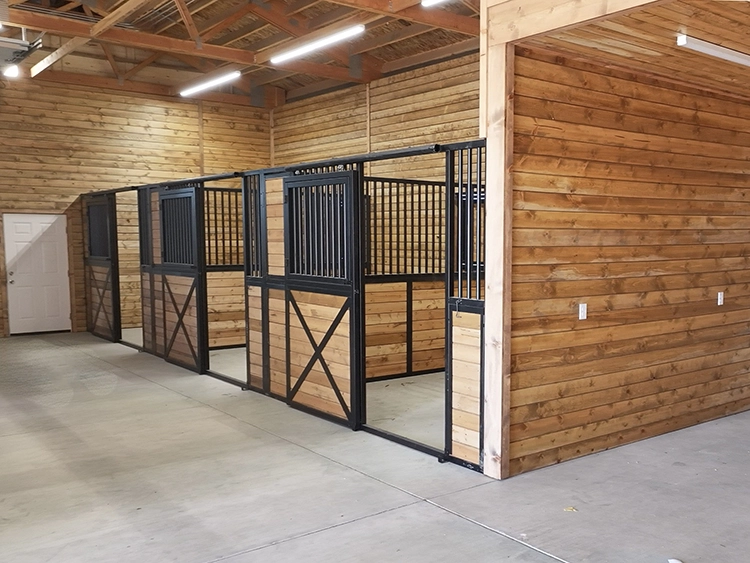
Most post-frame horse barns fall into one of a handful of standard layouts. Each has advantages depending on your property and operation:
Center-Aisle Barn
Stalls line both sides of a wide center aisle with large overhead doors at each end. This is the most functional and popular design for operations with four or more horses. The aisleway provides a safe, covered space for grooming, tacking up, and moving horses in and out of stalls. Center-aisle barns also allow for good cross-ventilation when end doors are open.
Shed-Row Barn
All stalls are in a single row, often with a covered overhang in front of the stall doors. Shed-row barns are simpler, less expensive, and work well for two to four horses. They are also a good choice for properties where a long, narrow footprint fits the land better than a wider building.
L-Shaped or U-Shaped Barn
For larger operations, an L-shaped or U-shaped layout wraps around a central outdoor space or courtyard. These designs are less common as new builds but can be achieved with post-frame construction on the right site.
Barn with Living Quarters or Apartment
A barn with attached living quarters, sometimes called a horse barn shouse, combines a functional equestrian facility with a full residential living space. This is a growing design category in the rural West, particularly for property caretakers, trainers, or buyers who want to live close to their horses. The residential portion is framed and finished to residential code, while the barn portion is built to agricultural standards.
Building Codes and Permits for Horse Barns
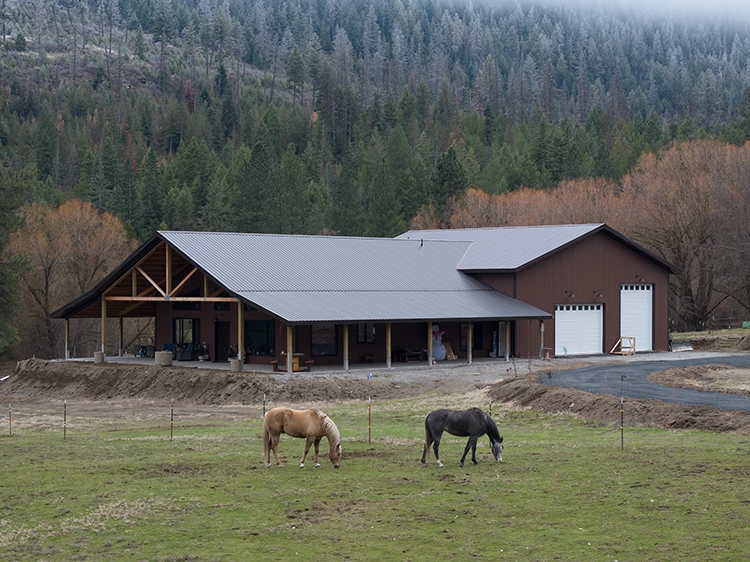
Horse barns are generally classified as agricultural buildings, which in most rural jurisdictions means they face fewer code requirements than residential or commercial structures. However, a few important factors affect the permitting process:
- Agricultural exemptions. Many counties in Idaho, Washington, Oregon, Montana, and Colorado exempt agricultural buildings on qualifying agricultural land from standard building permit requirements. Your contractor should be familiar with local agricultural exemption rules.
- Mixed-use buildings. A barn with living quarters or an attached apartment does require residential permits and must meet energy code and life safety requirements for the residential portion.
- Setbacks and zoning. Even agriculturally-exempt buildings must meet setback requirements from property lines, roads, and water features. Your contractor will check local setback requirements before finalizing your building placement.
- Engineered drawings. Many lenders and some counties require engineer-stamped drawings even for agricultural buildings, particularly in high-wind or high-snow-load areas like Colorado and Montana.
A qualified contractor will handle the permitting process and ensure your building meets all local requirements. Ask your contractor specifically about agricultural exemption eligibility for your property before assuming a permit is required.
What to Look for in a Horse Barn Contractor
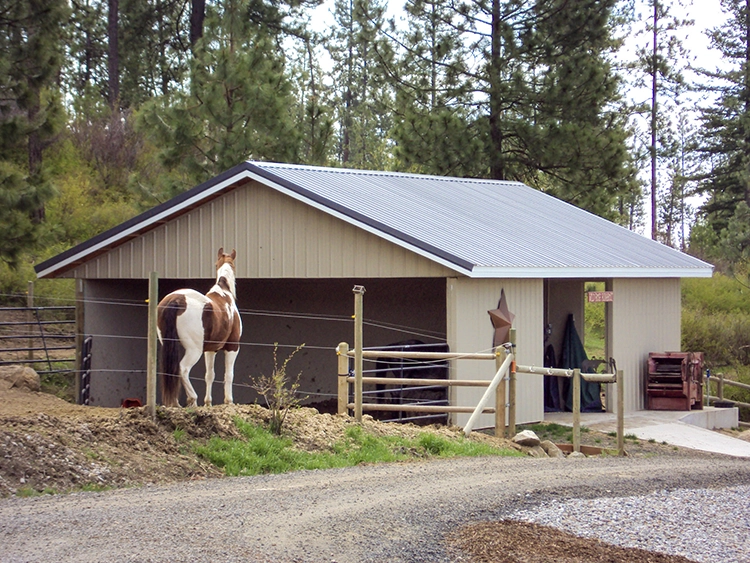
Not every post-frame contractor has experience with equestrian buildings specifically. Horse barns have unique requirements around stall layouts, ventilation, drainage, and door sizing that a contractor who only builds shops and garages may not fully understand. Here is what to look for:
- Portfolio of equestrian projects. Ask to see photos of completed horse barns. A contractor with equestrian experience will understand how horses interact with a building and will help you avoid design choices that create problems down the line.
- Familiarity with agricultural exemptions. A contractor who regularly builds in your county will know the local permitting landscape and save you significant time and money navigating the process.
- Detailed written proposals. A good contractor gives you a line-item proposal that breaks out the cost of each component. Avoid contractors who give vague ballpark quotes without a clear scope of work.
- Clear timeline and project management. Horse barn construction has real-world implications. You may need to plan for temporary housing for your horses, coordinate a delivery of shavings and hay, or time the project around a breeding or foaling season. A contractor who communicates clearly and sticks to timelines matters.
- Local presence and references. A contractor based in your region understands local soil conditions, snow loads, wind zones, and building department relationships. Ask for references from past clients with similar projects.
If you need more help choosing a contractor, we have a complete guide on choosing the right contractor here.
Frequently Asked Questions
How long does it take to build a horse barn?
A straightforward post-frame horse barn in the two-to-four stall range typically takes four to eight weeks from groundbreaking to a dried-in shell, depending on crew size, weather, and permit timelines. Larger barns or those with significant interior finishing work take longer. Your contractor should give you a project timeline with milestones at the time you sign a contract.
Can I build a horse barn myself?
Some aspects of a horse barn build are manageable for experienced owner-builders, particularly site preparation and interior finishing work. However, the structural framing, foundation, roofing, and electrical are best left to a qualified contractor. Mistakes in structural framing or foundation work can compromise the safety of your horses and the longevity of the building.
What is the best foundation for a horse barn?
Most post-frame horse barns are built on embedded columns or concrete piers, not a full concrete slab. The aisleway is typically poured as a concrete slab after framing, while stall floors remain as compacted gravel or stone dust base for drainage. Your contractor will assess your soil conditions and recommend the appropriate foundation system for your site.
Do horse barns need insulation?
Insulation is not always required but is strongly recommended in cold-weather states. Insulated walls and ceilings keep the barn warmer in winter, reduce condensation on metal surfaces, and make the tack room and wash rack functional year-round. In states like Montana and Colorado, an uninsulated barn can see interior temperatures well below freezing for extended periods, which affects water lines, horse health, and the longevity of leather and equipment.
How much does a horse barn cost per stall?
A useful rough estimate for planning purposes is $15,000 to $30,000 per stall, inclusive of the stall’s share of the overall building footprint, aisleway, foundation, roofing, and siding. Stalls in larger barns tend to cost less per stall than those in small two-stall buildings because the fixed costs of the structure are spread across more stalls. This estimate does not include stall hardware, rubber matting, or interior finishing.
Ready to Start Planning Your Horse Barn?
Steel Structures America builds post-frame horse barns throughout Idaho, Washington, Oregon, Colorado, and Montana. Whether you are planning a simple two-stall shelter or a full equestrian facility, we can walk you through the design process, give you a detailed line-item proposal, and build a barn that works for your horses and your property.
Call us at (866) 421-0412 or request a free quote at online.