
Metal Building Cost: Real Pricing Guide Based on Completed Projects
Metal building cost is one of the first things buyers want to nail down, and for good reason. Whether you are pricing a shop, a commercial warehouse, an agricultural storage building, or a home-shop combo, you need real numbers before you can make a decision. This guide pulls directly from Steel Structures America’s recent completed project data across Idaho, Washington, Oregon, Colorado, and Montana, so you are seeing what metal buildings actually cost in this region, not what a spec sheet says they should.
The short version: a 30×40 metal building typically runs $70,000 at the median for a complete build. A 40×60 comes in around $120,000. A 50×100 is closer to $235,000. Those are real project medians, not marketing estimates, and they tell a very different story than the kit prices you see advertised online.
These are real numbers, but they are planning benchmarks, not quotes. Your actual price depends on your site, your spec choices, and current steel and labor costs in your area.
Metal Building Cost Overview: What to Expect
Metal building prices span a wide range because the buildings vary enormously in size, steel grade, framing type, and what ends up in the quote. Here is a realistic snapshot based on actual SSA completed projects, organized by the footprints buyers most commonly build:
| Building Size | Starting Point | Typical (Median) | High End | Recent Projects in Data Set |
| 30×40 | Contact us | $70,000 | $252,000 | 178 projects |
| 40×60 | Contact us | $120,000 | $261,000 | 140 projects |
| 36×48 | Contact us | $102,000 | $244,000 | 72 projects |
| 40×40 | Contact us | $94,000 | $272,000 | 46 projects |
| 40×80 | Contact us | $174,000 | $1,250,000* | 28 projects |
| 48×60 | Contact us | $168,000 | $308,000 | 12 projects |
| 50×60 | Contact us | $188,000 | $352,000 | 12 projects |
| 50×80 | Contact us | $181,000 | $358,000 | 13 projects |
| 50×100 | Contact us | $235,000 | $506,000 | 10 projects |
| 60×80 | Contact us | $241,000 | $508,000 | 7 projects |
*The 40×80 high-end figure reflects a large commercial project that is not representative of a typical shop build. The median of $174,000 is the more useful planning number for most buyers at that size.
These are turnkey installed costs, meaning the building is fully erected with a concrete slab and basic doors. Optional add-ons like insulation, interior finishing, HVAC, and electrical are separate. We will break all of that down below.
Why Metal Building Quotes Are Often Lower Than the Final Cost
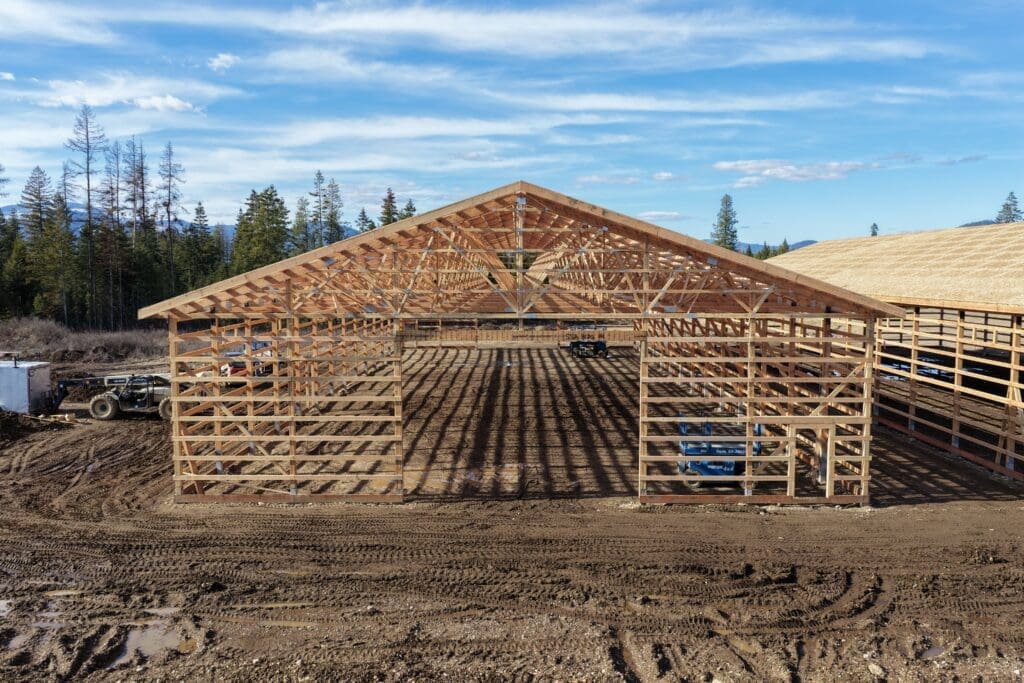
If you have been researching online and seeing metal building prices in the $20,000 to $40,000 range for a 40×60, those figures almost always represent the steel kit package only. That means just the structural steel, panels, and hardware, with no foundation, no labor, no concrete, no doors, and no site work. Our recent project data tells a very different story once everything is included.
Here is a realistic picture of the cost layers that go into a complete metal building project:
| Cost Component | What It Covers | Typical Add-On Cost |
| Steel package | Framing, roof and wall panels, trim, fasteners, drawings | Included in base quote |
| Concrete floor | Slab with reinforcement and proper thickness | $10,000 to $25,000+ |
| Erection labor | Foundation setting, framing crew, panel installation | $15,000 to $45,000+ |
| Overhead doors | Insulated steel doors with openers | $3,000 to $15,000+ |
| Electrical | Panel, wiring, outlets, shop lighting | $8,000 to $20,000 |
| Insulation | Walls and roof deck (fiberglass or spray foam) | $8,000 to $35,000+ |
| Site prep and grading | Land clearing, grading, drainage prep | $3,000 to $20,000+ |
| Plumbing | Bathroom, sink, floor drains if needed | $5,000 to $15,000+ |
| HVAC | Heating, ventilation, mini-splits or unit heaters | $5,000 to $25,000+ |
A well-outfitted 40×60 metal shop with concrete, two insulated overhead doors, full electrical, and basic insulation regularly lands between $90,000 and $140,000 in our market. If a quote sounds significantly cheaper than that, ask exactly what is and is not included before you assume you are getting a deal.
Metal Building Cost Per Square Foot
Cost per square foot is useful for comparing options and getting a sense of scale, but it is only meaningful if you know what the number includes. Here is how per-square-foot cost shakes out at different finish levels in our region:
| Finish Level | Cost Per Sq Ft | What It Includes |
| Steel package only (no labor or slab) | $8 to $18/sq ft | Structural steel, panels, trim, hardware |
| Shell erected, no slab | $18 to $28/sq ft | Steel package plus erection labor |
| Basic functional build | $28 to $42/sq ft | Adds concrete slab, overhead door(s), basic electric |
| Finished shop or commercial building | $42 to $60/sq ft | Adds insulation, liner panels, LED lighting, HVAC |
| Shop-home or barndominium | $75 to $130+/sq ft | Full residential finish: plumbing, HVAC, kitchen, flooring |
As with pole barns, smaller buildings have a higher cost per square foot because fixed costs like site prep, concrete, electrical panels, and erection mobilization do not shrink proportionally when the footprint gets smaller.
Metal Building Cost by Size: Real Project Data
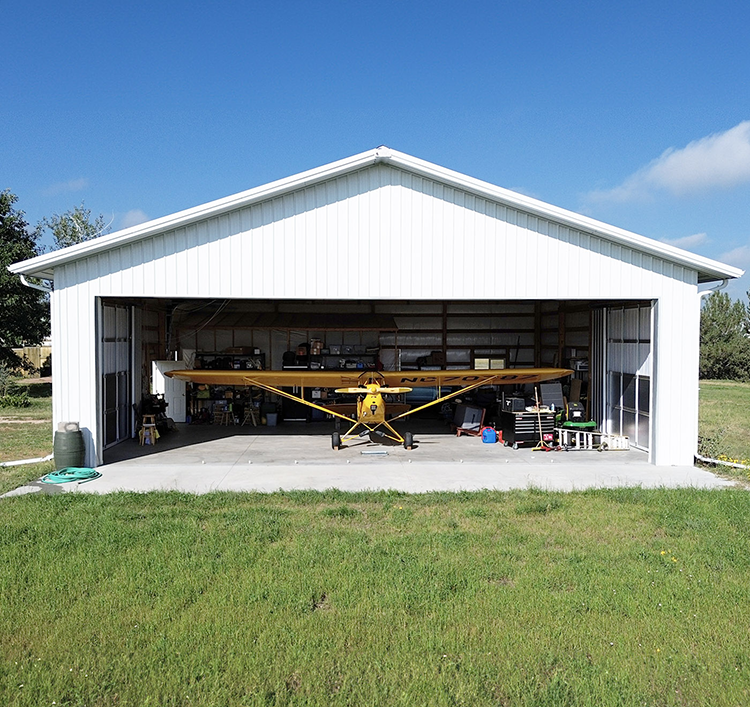
The figures below come directly from SSA project records. The median column is the most realistic starting point for your budget planning. The high end shows the upper range across all projects at that footprint, which includes everything from well-appointed shops to fully finished commercial structures. Starting point figures vary too much by site and spec to publish as a single number, so contact us for a realistic floor estimate on your project.
| Size | Sq Footage | Starting Point | Median | High End | Projects |
| 24×24 | 576 sq ft | Contact us | $37,000 | $111,000 | 41 |
| 24×30 | 720 sq ft | Contact us | $48,000 | $155,000 | 60 |
| 24×36 | 864 sq ft | Contact us | $51,000 | $150,000 | 72 |
| 30×40 | 1,200 sq ft | Contact us | $70,000 | $252,000 | 178 |
| 30×50 | 1,500 sq ft | Contact us | $84,000 | $261,000 | 49 |
| 36×40 | 1,440 sq ft | Contact us | $87,000 | $314,000 | 39 |
| 36×48 | 1,728 sq ft | Contact us | $102,000 | $244,000 | 72 |
| 40×40 | 1,600 sq ft | Contact us | $94,000 | $272,000 | 46 |
| 40×48 | 1,920 sq ft | Contact us | $110,000 | $204,000 | 24 |
| 40×50 | 2,000 sq ft | Contact us | $116,000 | $230,000 | 36 |
| 40×60 | 2,400 sq ft | Contact us | $120,000 | $261,000 | 140 |
| 36×60 | 2,160 sq ft | Contact us | $123,000 | $302,000 | 24 |
| 40×80 | 3,200 sq ft | Contact us | $174,000 | $1,250,000* | 28 |
| 50×60 | 3,000 sq ft | Contact us | $188,000 | $352,000 | 12 |
| 50×80 | 4,000 sq ft | Contact us | $181,000 | $358,000 | 13 |
| 48×60 | 2,880 sq ft | Contact us | $168,000 | $308,000 | 12 |
| 50×100 | 5,000 sq ft | Contact us | $235,000 | $506,000 | 10 |
| 60×80 | 4,800 sq ft | Contact us | $241,000 | $508,000 | 7 |
*Outlier commercial project. Do not use that figure for planning a standard shop or agricultural building.
30×40 Metal Building Cost
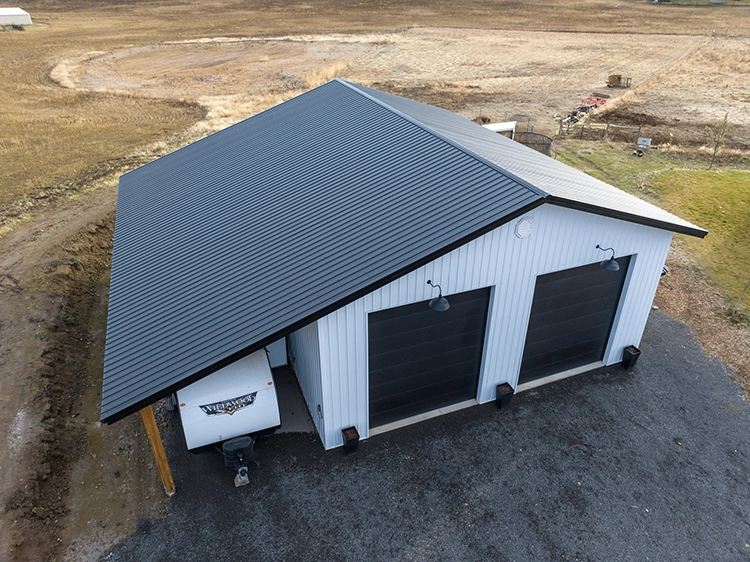
The 30×40 is one of the most popular sizes we build, and with 178 completed projects in our data, it is also the one we have the most reliable pricing on. At 1,200 square feet, it works well as a two to three car garage, hobby shop, or light agricultural storage.
Based on our actual completed 30×40 projects:
- Starting point: Varies based on spec level, site conditions, and options. Contact us for a ballpark based on your situation.
- Median: around $70,000 for a functional complete build
- Well-finished with insulation, upgraded doors, and full electrical: $100,000 to $130,000+
The wide range reflects how different the end product can be at the same footprint. A 30×40 with a gravel base, one basic overhead door, and no insulation is a very different building from a 30×40 with a 4-inch concrete slab, two insulated overhead doors, 200-amp service, LED lighting, and spray foam on the walls and roof deck.
If a contractor is quoting you $25,000 to $40,000 on a 30×40 all-in, ask exactly what that covers. In our experience, those numbers almost always exclude the concrete slab, electrical, and sometimes even erection labor.
40×60 Metal Building Cost
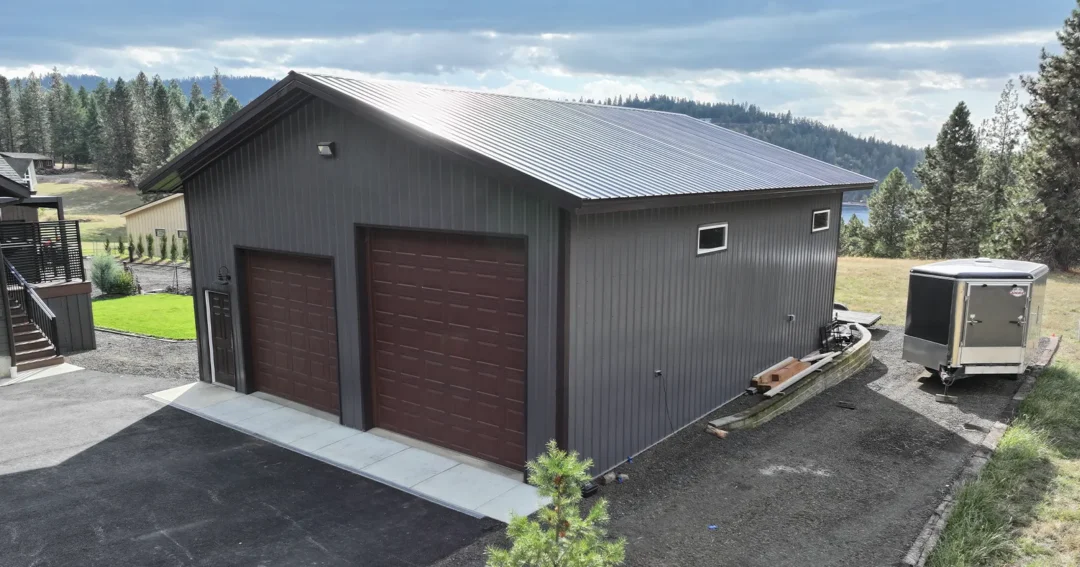
The 40×60 is the workhorse of the industry for shops, contractor yards, and mid-size agricultural storage. At 2,400 square feet, it gives you real room to work and is still manageable to heat and maintain. We have 140 recently completed projects at this size in our data set.
What our 40×60 metal building projects actually cost:
- Starting point: Varies based on spec level, site conditions, and options. Contact us for a realistic floor estimate.
- Median: around $120,000 for a well-equipped shop
- Fully finished with all the features: $160,000 to $200,000+
This is where we see the biggest gap between what buyers expect based on online pricing and what a real finished build costs. A steel kit for a 40×60 might run $20,000 to $35,000. Add a concrete slab, two insulated overhead doors, erection labor, 200-amp electrical, LED shop lights, and basic spray foam insulation and you are looking at a very different number.
The 40×60 is the right size for most serious contractors, farmers who need equipment storage, and hobbyists who want room to grow. Budget realistically and you will be glad you did not cut corners on the finish.
50×100 Metal Building Cost
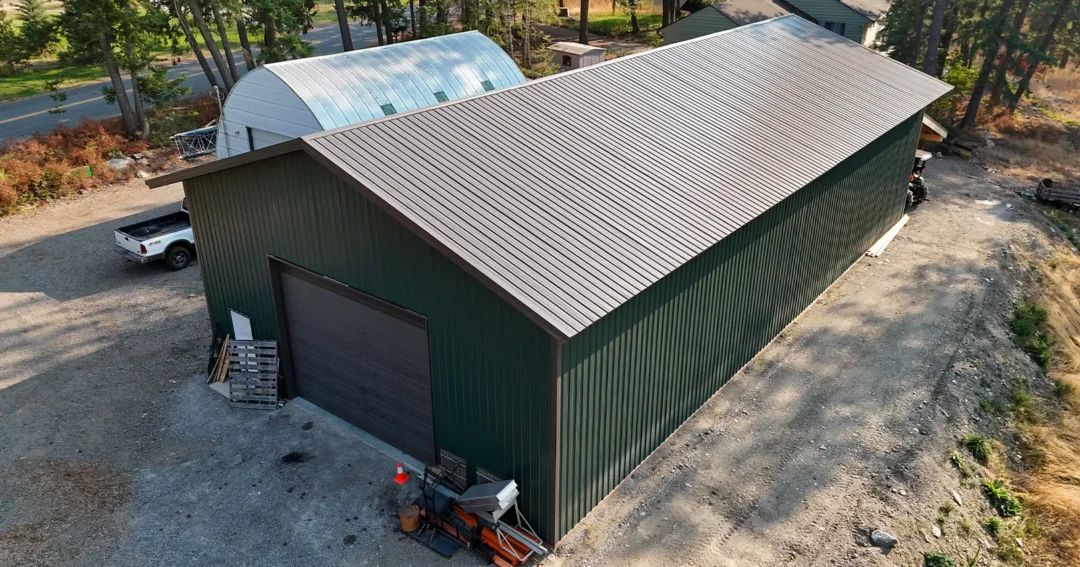
At 5,000 square feet, a 50×100 is commercial and agricultural territory. This is the size range for large farm shops, contractor yards with multiple trucks and equipment bays, and light commercial or warehouse operations. We have 10 recently completed projects at this footprint in our data.
What 50×100 metal buildings actually cost in our region:
- Starting point: Varies considerably based on site, spec, and use. Contact us for a realistic estimate for your project.
- Median: around $235,000 for a well-outfitted commercial or farm shop
- High end: $506,000 for projects with full commercial finishes, specialty structural requirements, or complex sites
At 5,000 square feet, per-square-foot costs start to improve compared to smaller buildings as fixed costs spread across more floor space. However, concrete alone on a 50×100 is a major line item, and insulating and electrifying a building this size adds up quickly. Make sure your budget accounts for the full scope before you commit.
What Affects Metal Building Cost: The Biggest Variables
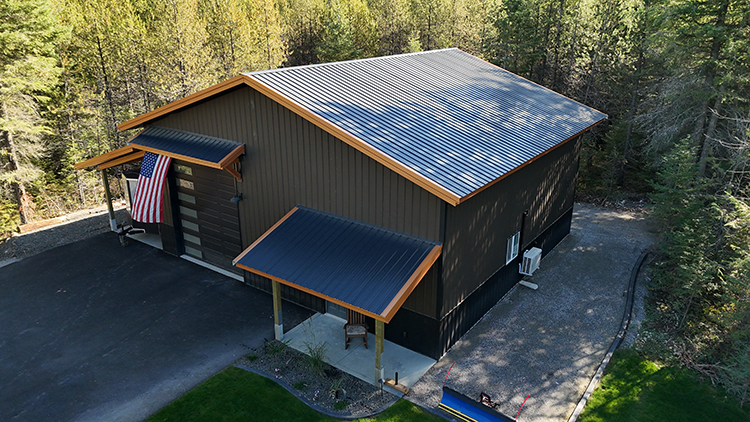
Even two buildings with the same footprint can vary by $50,000 or more depending on the choices made. Here are the factors that consistently move the needle most.
Steel Gauge and Frame Type
The thickness of the steel panels and the type of structural framing are two of the biggest cost drivers. Heavier gauge steel handles wind and snow loads better but costs more. Rigid frame construction (the I-beam style standard in commercial buildings) provides better clear-span capability than lighter post-frame alternatives but adds to the steel package price. For buildings where interior columns are not an option, clear-span rigid frame is the way to go and it carries a premium.
Snow and Wind Load Engineering
If you are building in Idaho, Montana, or the mountain regions of Colorado, your building has to be engineered for real snow and wind loads. That means heavier framing, stronger connections, and sometimes additional bracing or uplift anchoring. This can add $5,000 to $20,000 or more on a mid-size building compared to a similar structure in a lower-load area. It is not optional and it should not be value-engineered out.
Concrete Slab
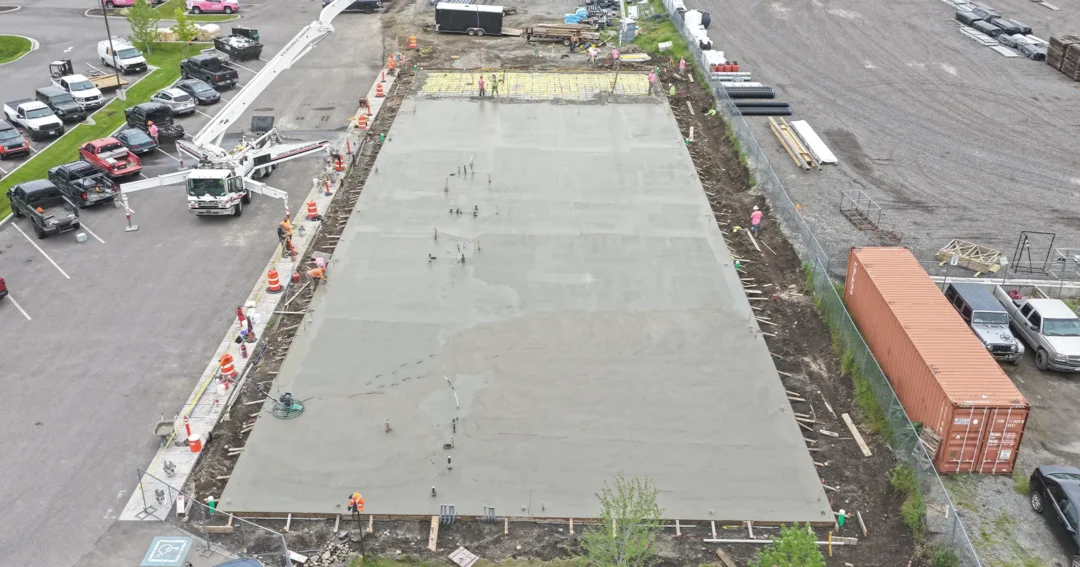
The concrete slab is often the most underestimated cost in a metal building project. A basic 40×60 slab at 4-inch thickness can run $10,000 to $18,000. Thicker slabs for heavy equipment, rebar reinforcing instead of wire mesh, in-floor radiant heat, or a special finish add more. Poor soil conditions that require additional base prep can add cost that does not show up until construction starts.
Erection Labor
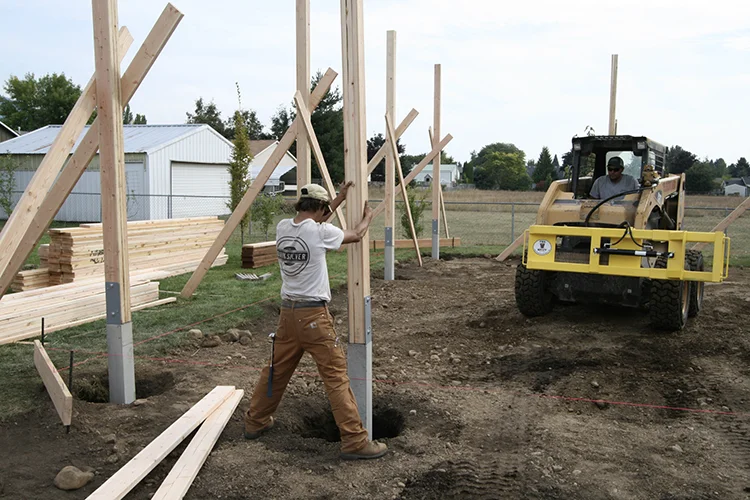
Labor to erect a metal building typically runs 30 to 50 percent of the steel package cost depending on building complexity and local rates. Rural markets sometimes have lower labor rates, but fewer experienced crews can also mean longer timelines. Getting multiple contractor bids on erection is worth the time.
Wall Height
Standard 12 or 14-foot wall heights work for most garages and shops. If you need 16 or 18-foot walls to clear an RV, a two-post lift with enough overhead clearance, or large agricultural equipment, you are adding material cost and potentially pushing into different engineering territory. Taller walls also mean more insulation surface area if you plan to condition the space.
Overhead Doors and Openings
Standard metal buildings come with minimal door openings by default. A basic insulated commercial overhead door runs $1,500 to $2,500 installed. Larger doors for equipment clearance, multiple bays, or specialty doors add up quickly. If you are planning four or more overhead doors on a building, this line item deserves its own budget allocation.
Insulation
Insulation is almost never included in a base metal building quote. For a building you plan to work in year-round, you need it, and in cold-weather markets like Idaho and Montana, skipping insulation is a decision buyers regularly regret. Fiberglass batt insulation runs roughly $1.50 to $3.00 per square foot installed. Spray foam runs $3.00 to $7.00+ per square foot. For a 40×60, plan on $10,000 to $28,000 for a properly insulated building depending on the system you choose.
Site Conditions and Location
Flat, accessible, already-cleared land with stable soil is the cheapest site to build on. If your property needs significant grading, has poor drainage, requires land clearing, or is remote enough to add delivery cost for the steel package, those numbers add to your total. Site conditions are one of the least predictable cost variables and one of the most important to understand before you commit to a budget.
Metal Building Kit vs. Turnkey: Understanding the Real Cost Difference
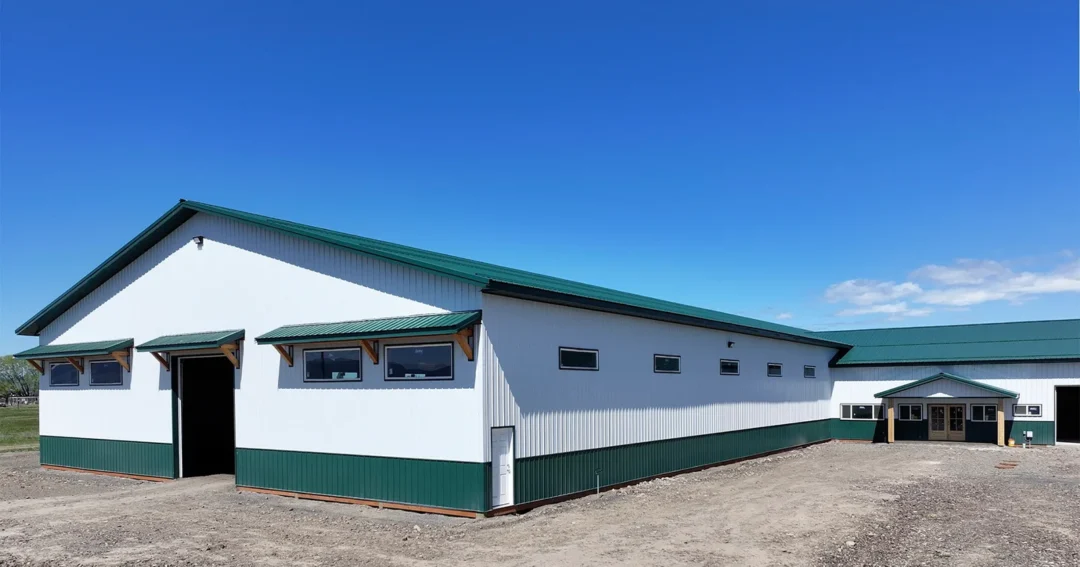
One of the biggest decisions you will make is whether to buy a metal building kit and manage erection yourself or hire a contractor for a full turnkey project.
Kit-Only Approach
Buying a prefab metal building kit and erecting it yourself or with hired help can save real money on labor. The tradeoff is that you take on responsibility for permit compliance, foundation coordination, and the physical erection process. For buyers with construction experience or a background in managing trades, this works well. For someone doing it for the first time, delays and mistakes can close that cost gap faster than expected.
Turnkey Contractor Build
A turnkey contract puts the full project responsibility on the contractor, from permits to foundation to a finished standing building. You pay a higher upfront cost but get a single point of accountability, a predictable timeline, and workmanship coverage. For commercial projects and buyers who want the building done right without managing subcontractors, turnkey is almost always the better value.
Additional Costs to Budget For
The base building price is just one part of your total project cost. Here are the line items most buyers need to plan for separately:
| Budget Item | Typical Cost Range | Notes |
| Site grading and clearing | $2,000 to $20,000+ | Varies widely by site conditions |
| Concrete slab | $10 to $18 per sq ft installed | Thickness and reinforcement type affect price significantly |
| Permits and engineering | $1,500 to $8,000 | Varies by jurisdiction and building size |
| Insulation (fiberglass batt) | $1.50 to $3.00 per sq ft | Walls and roof |
| Insulation (spray foam) | $3.00 to $7.00+ per sq ft | Walls and roof; better performance, higher cost |
| Electrical rough-in | $8,000 to $20,000 | Depends on panel size, circuits, and building size |
| Plumbing (if applicable) | $5,000 to $15,000+ | Restrooms, utility sink, or floor drains |
| Interior liner panels | $1.50 to $3.50 per sq ft | For finished shop or commercial interior look |
| HVAC | $5,000 to $25,000+ | Depends on building size and system type |
| Gutters and downspouts | $1,500 to $5,000 | Recommended for all permanent buildings |
| Wainscoting or accent panels | $1,500 to $6,000 | Exterior aesthetic upgrade |
Commercial Metal Building Costs: What Businesses Need to Know
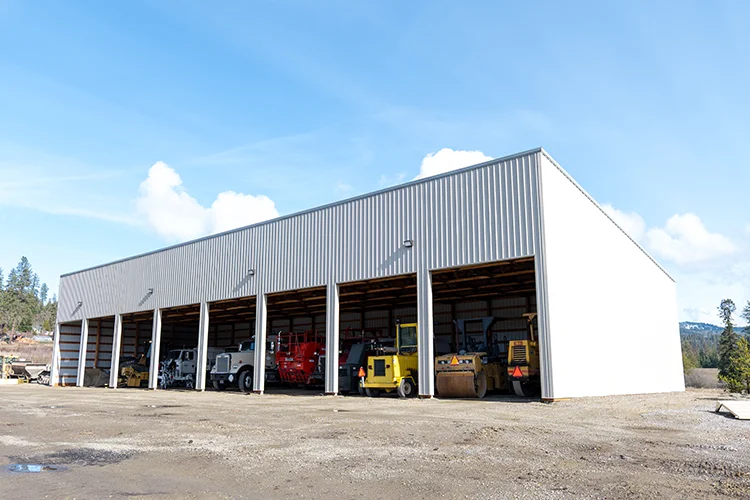
Commercial projects come with additional cost considerations that residential and agricultural buyers typically do not deal with. If you are building a warehouse, light industrial facility, or commercial storage operation, here is what to keep in mind.
Code and Engineering Requirements
Commercial buildings face stricter requirements than agricultural or residential structures. You will need stamped engineering drawings, occupancy calculations, fire code compliance, and often ADA-accessible entries. These requirements add front-end cost but are not negotiable.
Heavier Foundation Design
A warehouse with forklift traffic needs a heavier slab than a personal shop. A 6-inch slab is standard for light use. Heavy equipment or significant floor loads may require an 8-inch slab with rebar reinforcing, which can cost 40 to 60 percent more per square foot than a standard slab. Know your floor loads before finalizing your foundation spec.
Dock Doors and Specialty Openings
Warehouse and distribution buildings often need dock-height doors, oversized overhead openings, and drive-in ramps. These are specialty components that carry a significant premium over standard residential overhead doors.
Mechanical and Fire Systems
Larger commercial buildings can trigger requirements for sprinkler systems, mechanical ventilation, and restroom facilities. These can add tens of thousands of dollars to a commercial project budget and need to be identified early in the planning process, not discovered after the permit application is filed.
Metal Building Costs by Use Type
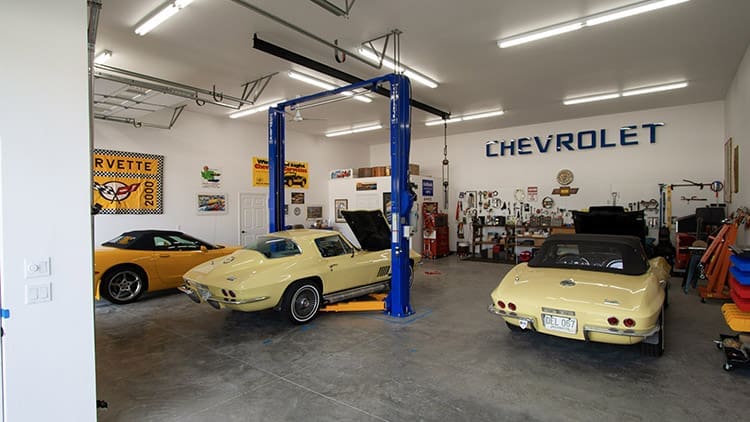
What you plan to use your building for shapes how much it will cost to build and finish. Here is a realistic cost range by building use, informed by our project data:
| Building Use | Common Size Range | Typical Total Budget |
| Personal garage or hobby shop | 30×40 to 40×60 | $70,000 to $140,000 |
| Contractor or trade shop | 40×60 to 60×80 | $120,000 to $250,000 |
| Agricultural storage or equipment building | 40×80 to 60×100 | $174,000 to $300,000+ |
| Light commercial or warehouse | 50×100 to 80×120 | $235,000 to $500,000+ |
| Barndominium or shop-home | 40×60 to 60×80 | $150,000 to $350,000+ |
How to Get an Accurate Metal Building Quote
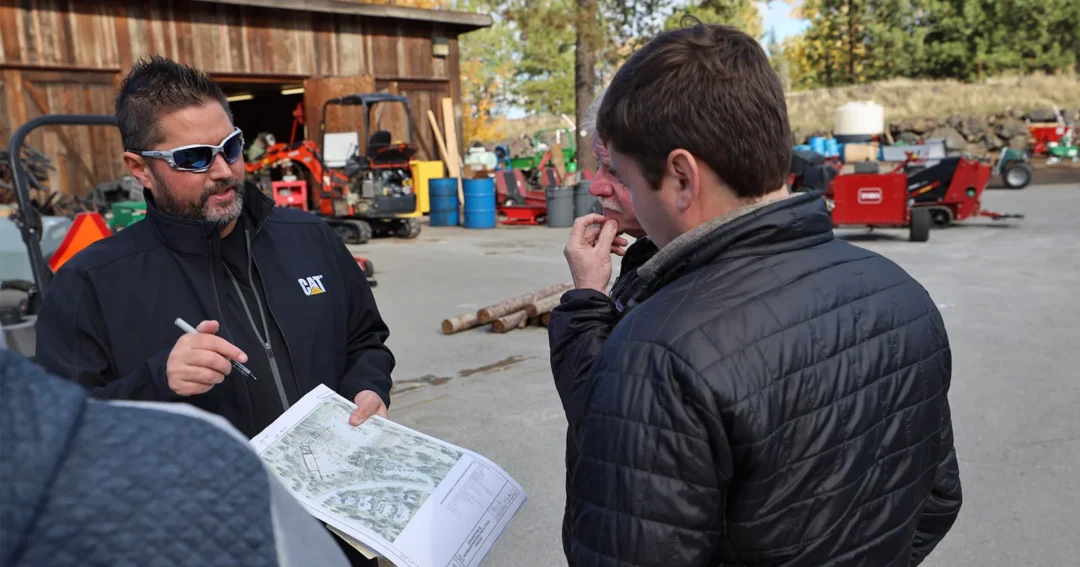
Getting a number you can actually build a budget around takes more than picking a size and calling for a price. Here is how to get a reliable quote:
- Know your site: Understand whether your site is flat, needs grading, has drainage issues, or requires clearing. Site conditions directly affect foundation cost, which is often the largest variable in a final quote.
- Specify your load requirements: Tell your contractor what you plan to do inside the building. Storing heavy equipment, running a commercial operation, or parking an RV all trigger different engineering requirements than a basic hobby shop.
- Ask for a turnkey quote, not just a kit price: Request a total installed price that includes the slab, erection, and basic doors. That is the only way to compare bids fairly.
- Get at least three quotes: Metal building pricing varies more than most buyers expect between suppliers and contractors. Competitive bids surface real price differences and protect you from overpaying.
- Clarify what is not included: Ask each contractor to list everything that is excluded from their quote. Vague bids lead to cost overruns.
And if you need some guidance on choosing your contractor, we’ve got an article on that.
Frequently Asked Questions About Metal Building Cost
How much does a basic metal building cost?
Based on our recently completed project data, a basic 30×40 metal building with a concrete slab and standard doors typically runs around $70,000 at the median. Smaller buildings like a 24×36 come in closer to $51,000 at the median. Larger commercial spans like a 50×100 are in the $235,000 range.
Is it cheaper to build a metal building or a wood-framed building?
Metal buildings are generally cost-competitive with or cheaper than wood-framed construction for large, open-span structures. For smaller residential-style buildings with lots of windows and interior finishing, the comparison can flip. The larger and more open the floor plan, the more competitive metal becomes.
Can I build a metal building myself to save money?
Buying a kit and managing erection yourself can reduce labor costs, but the foundation work, permit process, and physical erection of steel framing require experience and proper equipment. Many buyers end up hiring professional help for at least part of the process. The savings are real for experienced builders; the risks are real for first-timers.
What is not included in a metal building quote?
Most base quotes do not include the concrete slab, site grading, permits, insulation, interior finishing, HVAC, electrical, or plumbing. These add-ons often represent 30 to 60 percent of the total project cost. Always verify the full scope of any quote before comparing bids.
How long does a metal building last?
A properly built and maintained metal building can last 40 to 60 years or more. The biggest longevity factors are corrosion protection and fastener maintenance. High-quality Galvalume or galvanized steel with a quality paint system resists rust for decades. Periodic attention to trim and fasteners extends the building’s life further.
Steel Structures America: Serving Idaho, Washington, Oregon, Colorado, and Montana
Steel Structures America is a custom metal building and pole barn contractor based in Post Falls, Idaho. We build garages, shops, agricultural buildings, commercial structures, and barndominiums across the Pacific Northwest and Intermountain West. The pricing data in this guide reflects real projects we have recently completed in this region, giving you a grounded picture of what metal buildings actually cost here.
If you are in the planning stages, we are happy to talk through your project, walk through realistic pricing for your specific site, and help you figure out what size and spec level fits your budget.
Call us at (866) 490-4012 or submit a quote request online.