Shop Buildings and Workshops: Metal and Pole Barn Shops Built the Way You Want
A metal shop building or pole barn workshop is one of the most useful structures you can put on your property. Whether you need space for tools and equipment, a place to run your business, somewhere to store your truck and trailer, or a serious workshop to build things you care about, the right shop changes everything. And unlike many building types, a shop can be designed almost any way you want.
At Steel Structures America, we build custom shop buildings across Idaho, Washington, Oregon, Colorado, Montana, and the surrounding region. We’ve helped contractors build their first commercial shop, helped hobby farmers set up fully finished woodworking spaces, and helped businesses create working facilities that actually function the way their operations require. This guide covers everything you need to know to plan, size, and build a shop that fits your life.
What Is a Shop Building?
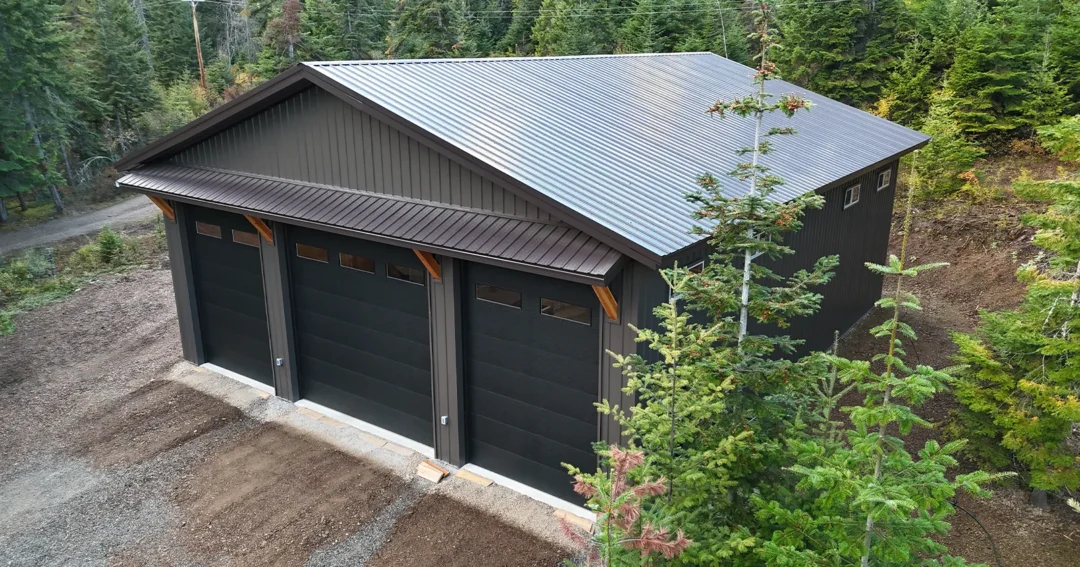
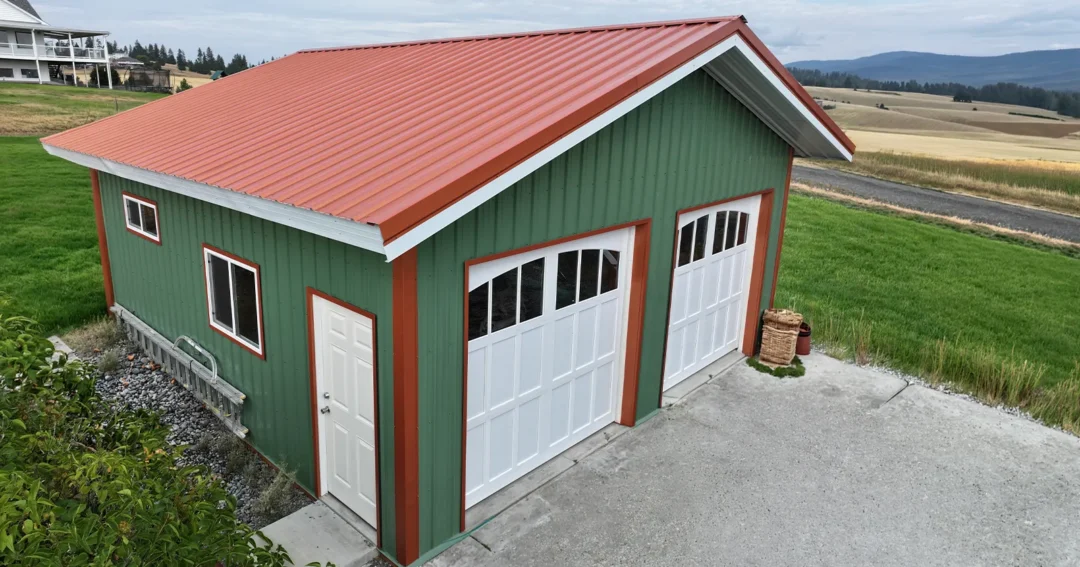
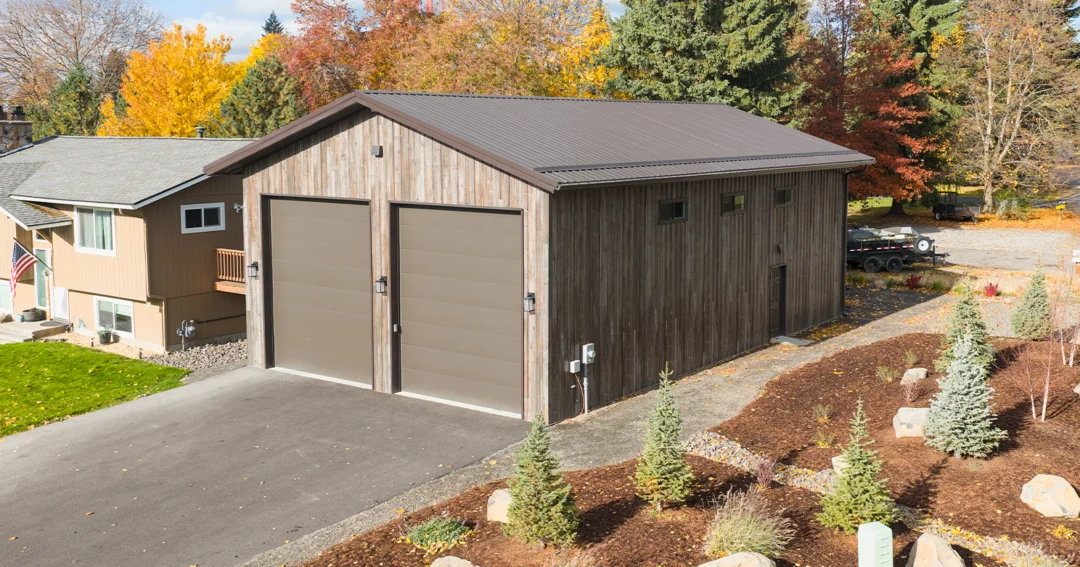
A shop building is a standalone structure built primarily for work, storage, and projects. It could be a detached garage with a full workshop inside, a large steel building housing a small business, a pole barn set up for farm equipment and vehicles, or something in between. The common thread is that these buildings are designed around what happens inside them, not around curb appeal or resale value.
Shop buildings come in two main construction types:
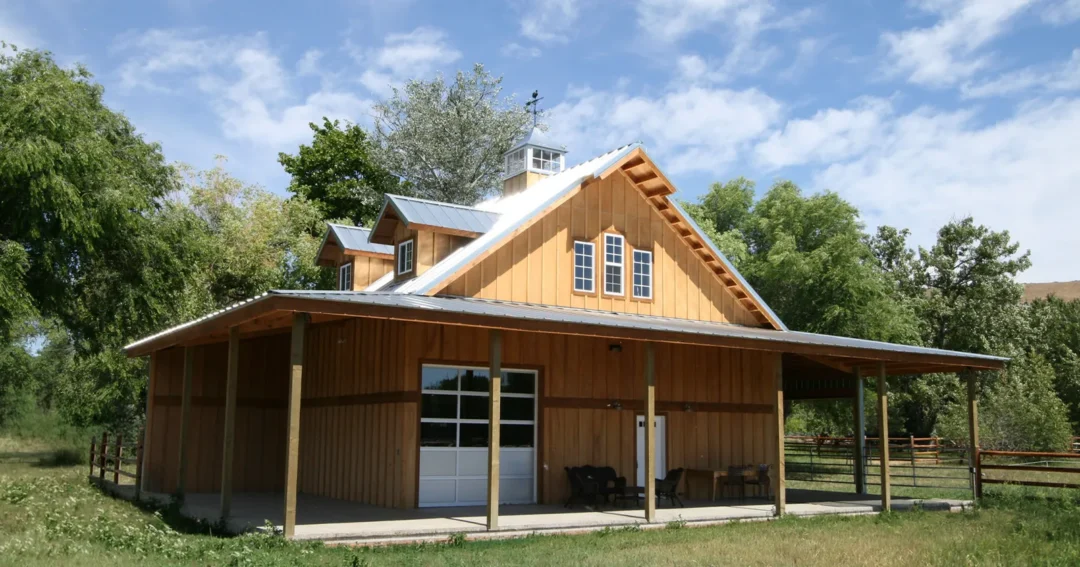
Pole barn shops (post-frame construction) use large wooden posts set into the ground or on concrete footings to carry the roof load. They’re cost-effective, fast to build, highly customizable, and a great fit for most residential and agricultural shop uses.
Metal building workshops (steel frame construction) use pre-engineered steel rigid frames. They offer exceptional clear-span interior space, long-term durability, and a clean modern look that works well for commercial and heavy-use applications.
Both are excellent choices depending on your budget, site, intended use, and personal preference. We’ll walk through how to compare them later in this guide.
Who Builds Shop Buildings?
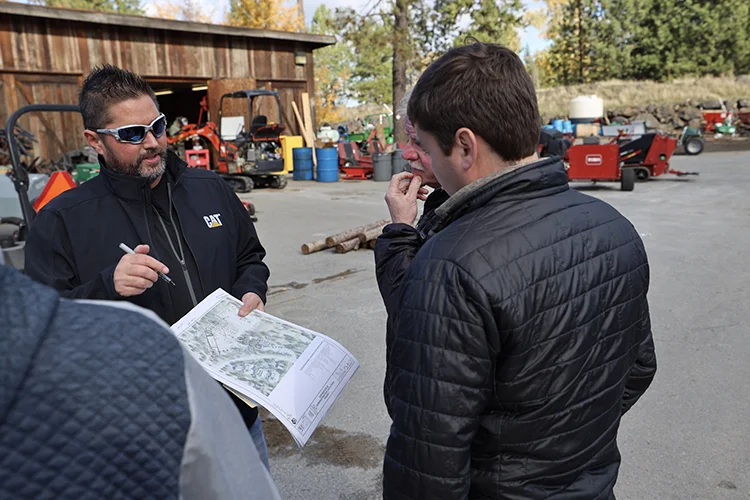
One of the things that makes shops interesting is how wide the audience is. A few of the most common buyers we work with:
Contractors and Trades Businesses
Plumbers, electricians, landscapers, excavators, welders, and general contractors often reach a point where working out of a residential garage or rented space stops making sense. A purpose-built contractor shop gives you room to park trucks and trailers, store tools and inventory, do maintenance and repairs, and run day-to-day operations more efficiently. Most contractor shops run 40×60 to 80×120 or larger depending on equipment and crew size.
Hobby and DIY Enthusiasts
Classic car restoration, woodworking, metalworking, leather craft, home brewing, welding projects. For hobbyists who take their craft seriously, a dedicated shop building is a major quality-of-life upgrade. You stop rearranging things every time you need to work, you get the electrical service you actually need, and you have space to leave long-term projects set up without interference. If this sounds like you, check out our guide to hobbyist and woodworking shop buildings for specific size and feature recommendations.
Farmers and Ranchers
Agricultural shop buildings serve a different set of priorities. You need tall overhead doors for tractors, combines, and other large equipment. You want wide, clear-span interiors without columns getting in the way. You want durable construction that handles decades of hard use with minimal maintenance. These shops often also include basic office space, a bathroom, and heated areas for mechanical work during cold months.
Property Owners and Acreage Buyers
Many shop building projects come from people who’ve recently bought land or rural property and want to build useful structures. Sometimes the shop comes before the house. Sometimes it goes up alongside a barndominium or a pole barn home. Either way, the shop is the first place where the property starts working for you.
Small Business Owners
Metal building workshops are a popular choice for small businesses that need dedicated commercial space without the cost of leasing. Auto detailers, machine shops, fabrication businesses, landscape supply companies, and many other operations build custom shop buildings because they need space that’s designed around their specific workflow.
Pole Barn Shop vs. Metal Building Workshop: How Do They Compare?
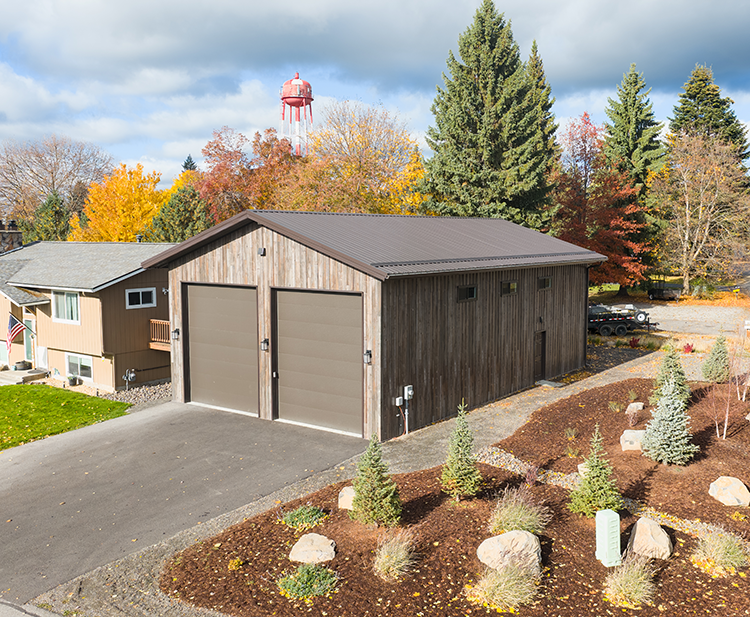
This is one of the most common questions we get, and the honest answer is that both are excellent building types. Here’s how they compare across the factors that matter most:
| Feature | Pole Barn Shop | Metal Building Workshop |
| Construction Method | Wood post-frame | Pre-engineered steel rigid frame |
| Cost | Generally lower upfront | Slightly higher upfront, lower long-term maintenance |
| Clear-Span Interior | Good up to ~80 ft spans | Excellent, 100+ ft spans common |
| Customization | Very high flexibility | High flexibility with engineered specs |
| Build Speed | Fast | Fast with pre-engineered components |
| Durability | Excellent with proper footings | Excellent, resistant to pests and rot |
| Best For | Residential, farm, hobby shops | Commercial, large-span, business use |
For most residential and agricultural shops, a pole barn shop is a cost-effective, proven choice. For larger commercial operations or when you need clear-span interior widths over 80 feet, a metal building workshop is typically the better fit.
Shop Building Sizes: What Do You Actually Need?
Picking the right size is one of the most important decisions in the whole project. Too small and you’re frustrated within a year. Too large and you’re spending money on square footage that doesn’t serve you. Here’s a practical size guide:
| Size | Common Use | What Fits |
| 24×30 | Small personal shop | Hobby projects, basic tool storage, single-car work |
| 30×40 | Mid-size personal or farm shop | 2-car plus workspace, small equipment, serious hobbies |
| 40×60 | Standard contractor or farm shop | Multiple vehicles, business equipment, dedicated workspace areas |
| 50×80 | Large contractor or commercial shop | Full business operations, heavy equipment, crew use |
| 60×100+ | Commercial / heavy agricultural | Large equipment fleets, commercial fabrication, ag operations |
The best way to size a shop is to make a list of everything that needs to fit inside and then work backward. Include vehicles, equipment, workbenches, storage, an office if needed, and room to actually move around. Most people underestimate how much space they need the first time.
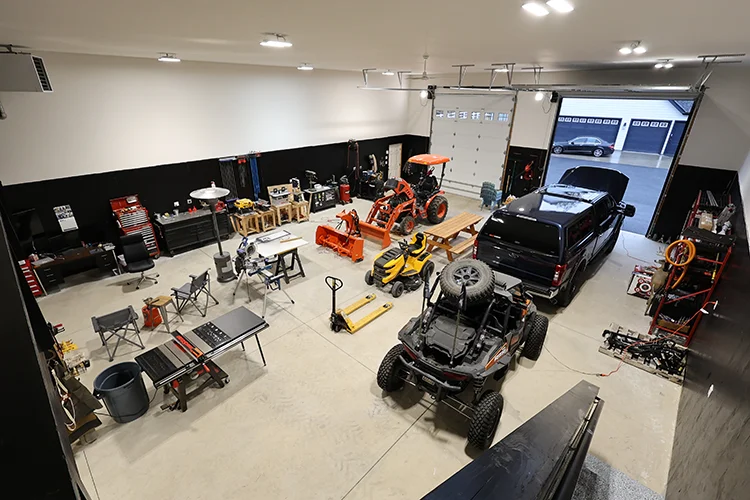
To explore sizing further, take a look at our pole barn size selector guide.
Key Features to Consider in a Shop Building
The basic shell is just the starting point. Here are the features and upgrades that tend to make the biggest difference in how well a shop actually works:
Overhead Doors
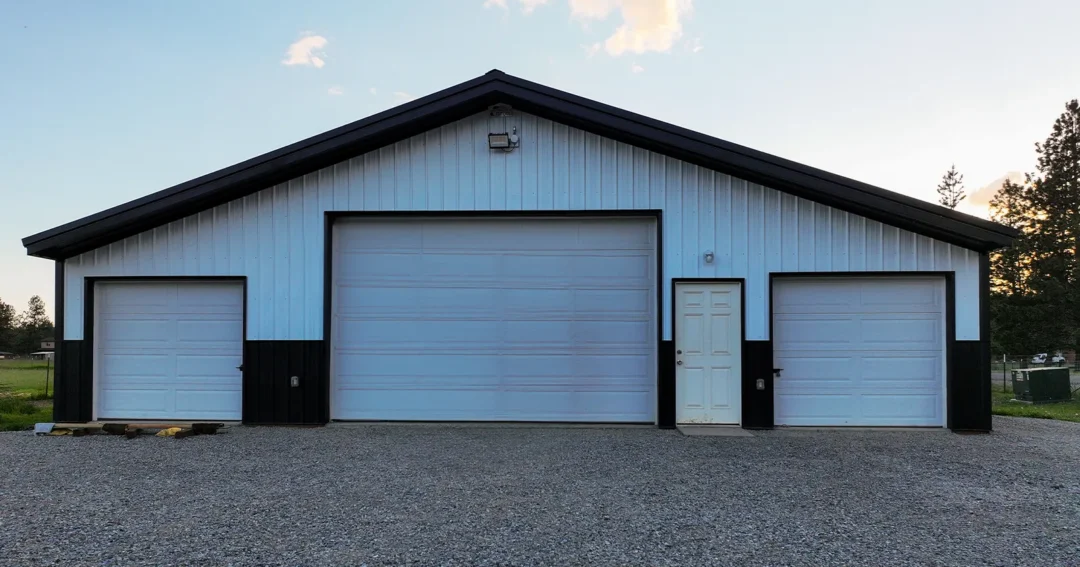
Overhead door height and width determine what you can get in and out of your shop. Standard doors start around 9×8 and 10×10, but if you’re storing an RV, running an excavator through, or parking a lifted truck, you’ll want 12×14 or larger. Multiple overhead doors also give you better workflow, especially for drive-through setups.
Ceiling Height
Eave height affects how usable your interior space is. A 14-foot eave is a solid minimum for most contractor and hobby shops. Agricultural buildings storing combines or grain carts often go 16 to 20 feet. If you’re planning a loft or mezzanine, factor that into your height needs early.
Concrete Floor
A proper reinforced concrete floor is one of the best investments you can make in a shop. It needs to handle the weight of vehicles and equipment, resist moisture, and hold up to decades of hard use. Thickness, rebar or fiber reinforcement, and vapor barriers all matter. Plan for this from the start rather than retrofitting later.
Electrical Service
Most shop buildings need at least 200-amp service, and many contractors, welders, and hobbyists want 400-amp or more. Think through your equipment list before calling an electrician: welder, air compressor, lift, HVAC, lighting, and any machinery all add up fast. Running larger service during construction is much cheaper than upgrading it later.
Insulation and HVAC
A shop you can work in year-round is worth significantly more than one you avoid in winter and summer. Options range from spray foam insulation for maximum efficiency to fiberglass batts for a budget-friendly approach. A mini-split system handles most personal and hobbyist shops well. Larger commercial shops may need forced-air heating or radiant floor heat. See our detailed guide on pole barn HVAC, electrical, and plumbing for the full picture.
Lean-To Additions
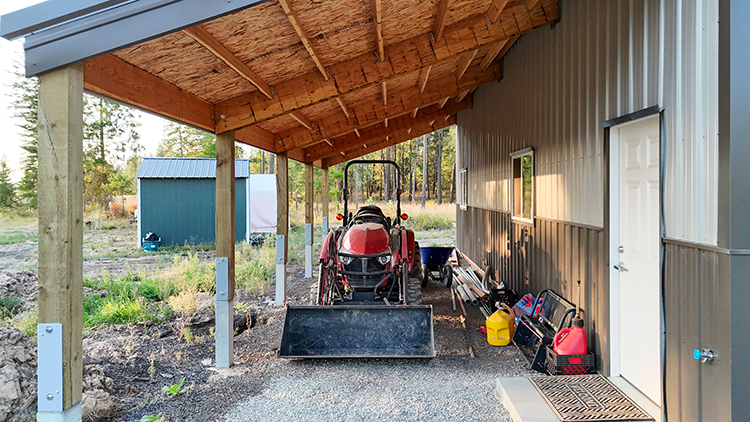
A lean-to addition attached to the main shop building is an affordable way to add covered storage, a sheltered work area, or a parking bay for trailers and implements. They’re commonly added at the time of initial construction but can also be added to an existing building later.
We have an article on lean to’s that goes into the different uses and styles in-depth.
Office or Bathroom Space
For contractor shops and business facilities, a small finished office and bathroom inside the building can make a significant difference. Basic partitioned space doesn’t require a lot of square footage but adds a ton of functional value for client meetings, paperwork, and day-to-day convenience.
What Does a Shop Building Cost?
Shop building costs vary widely depending on size, construction type, site conditions, finishes, and regional material and labor costs. Here are general ballpark ranges to help you think through your budget:
| Building | Scope | Approximate Cost Range |
| 30×40 Pole Barn Shop | Shell only | $25,000 – $45,000 |
| 30×40 Pole Barn Shop | Finished with concrete, electric, insulation | $45,000 – $75,000 |
| 40×60 Metal Building Workshop | Shell only | $45,000 – $75,000 |
| 40×60 Metal Building Workshop | Finished with concrete, electric, HVAC | $85,000 – $140,000 |
| 60×100 Commercial Shop | Turnkey build | $180,000 – $350,000+ |
These ranges reflect general market conditions across the Pacific Northwest and Mountain West. Your actual quote will depend on your specific site, the features you select, and current material pricing. The best way to get a realistic number is to request a quote with your actual specs rather than planning around general estimates.
Specialty Shop Builds Worth Knowing About
Beyond the standard workshop and contractor shop, there are a few specialty use cases that come up often enough to be worth calling out:
Home Gym in a Pole Barn or Metal Building
Building a dedicated home gym in a shop structure has become one of the most popular shop upgrades in the last several years. You get real space for a power rack, platforms, cardio equipment, and anything else you want to train with, without the constraints of a spare bedroom or garage. Insulation, climate control, rubber flooring, and a mirror wall are the key additions that take a shop from raw space to a serious training facility.
Woodworking and Hobbyist Shops
A dedicated woodworking or hobbyist shop is a different animal from a contractor shop. Layout matters a lot: you need room to run full sheets through a table saw, space to move around large assemblies, good lighting, and dust collection. The size sweet spot for most serious hobbyists is 30×40 to 40×60.
Indoor Sports Arena
You read that correctly. More and more people are bringing their love of sports to their home. Pole barns are transformed into basketball, tennis, and pickleball courts more now than ever. Read about our indoor sports courts here.
Combined Shop and Living Quarters
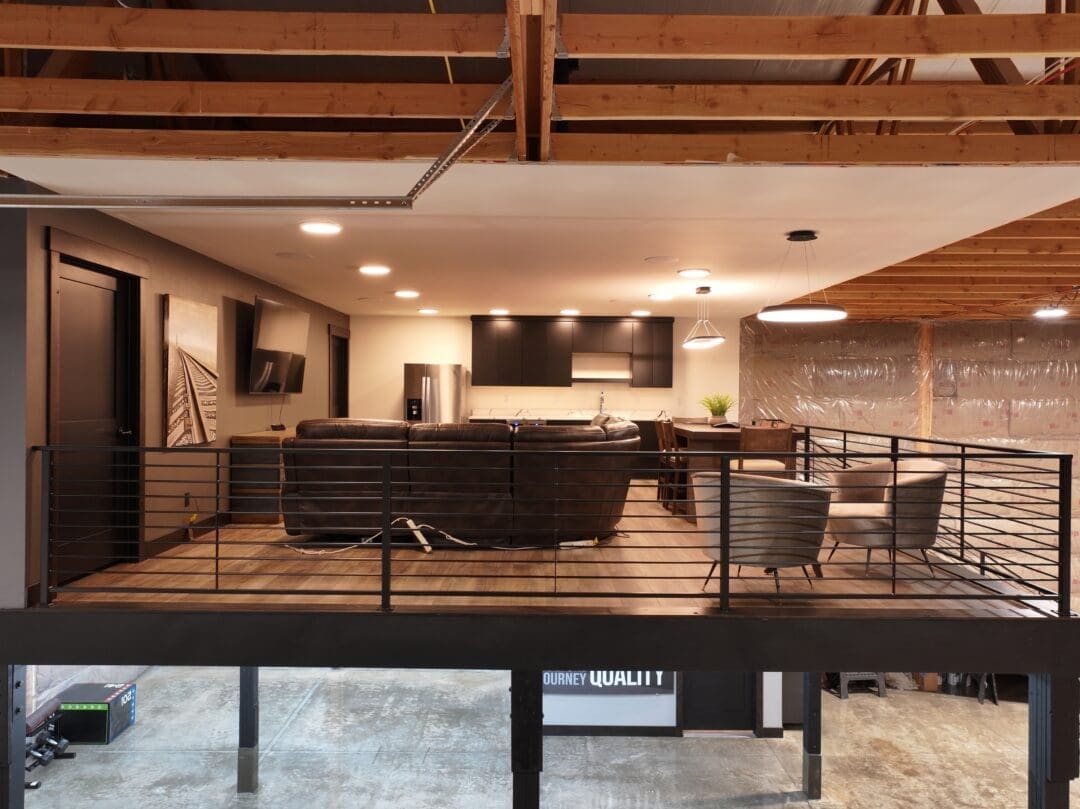
It’s increasingly common to build a shop building that includes finished living space, whether that’s a full barndominium-style layout or a simpler apartment or sleeping quarters above or adjacent to the main work area. These builds require a bit more planning around code compliance and finishing work, but they’re entirely doable and can be a smart solution for rural property owners or contractors who want to live close to their operation.
Pole Barn Shops vs. Metal Building Workshops: Regional Considerations
Construction costs, permit requirements, and common building practices vary across our service area. A few things worth knowing:
Idaho and Eastern Washington
Post-frame construction is very common here, and there’s a strong contractor network for pole barn shops. Snow loads in northern Idaho and the Cascades can be significant, so make sure your building is engineered for local conditions. Many buyers in the Post Falls, Coeur d’Alene, and Spokane Valley region go with 40×60 to 50×80 pole barn shops for personal and contractor use.
Oregon
Western Oregon’s wet climate means moisture management and proper drainage around your foundation are especially important. Eastern Oregon has a drier climate more similar to Idaho. Building permit requirements vary significantly by county in Oregon, so check local requirements early in your planning process.
Colorado
Colorado shop building projects need to account for both snow loads in the mountains and wind loads across the plains and Front Range. Pre-engineered metal buildings tend to be a strong fit for Colorado because they’re engineered to specific local load requirements. Monument, Colorado Springs, and the Denver metro area all have active building markets with strong demand for contractor and commercial shop buildings.
Montana
Montana’s climate is demanding. Shops need to handle extreme cold, significant snow loads, and wind. Insulation quality and HVAC planning are non-negotiable if you want a building you can actually use in January. Billings, Missoula, and the surrounding areas have seen growing demand for agricultural and contractor shops.
How to Get Started on a Shop Building Project
If you’re ready to move forward, here’s what the process typically looks like:
Step 1: Define Your Use Case
Before you talk to any builder, make a list of what the building needs to do. What goes inside? How many vehicles? What equipment? Do you need a bathroom, office, or finished space? What’s your electrical load going to look like? The clearer your picture, the faster and more accurate your quote process will be.
Step 2: Know Your Site
Your site affects your building in several ways: slope and drainage, soil conditions, access for construction equipment and delivery, setbacks from property lines and other structures, and local zoning and permit requirements. Some of these are easy to figure out yourself; others may require a conversation with your county planning department.
Step 3: Establish a Realistic Budget
Work through a rough budget range before you start getting formal quotes. This doesn’t need to be precise, but knowing whether you’re thinking $50,000 or $150,000 helps shape every conversation that follows. Include site prep, concrete, utilities, and any interior finishing in your budget thinking, not just the building shell.
Step 4: Request a Quote
When you reach out to Steel Structures America, we’ll walk through your project with you, ask the right questions, and put together a quote that reflects your actual specs rather than a generic estimate. We serve Idaho, Washington, Oregon, Colorado, and Montana, and we’re familiar with the permit and climate requirements across all of these markets.
Why Steel Structures America for Your Shop Building?
We’ve been building custom pole barn shops and metal building workshops across the Pacific Northwest and Mountain West for years. Here’s what our customers tell us makes the difference:
- We work with you on the design, not just hand you a catalog
- We build to local wind and snow load requirements
- We use quality materials and transparent pricing
- We cover Idaho, Washington, Oregon, Colorado, and Montana
- We’re easy to reach and responsive throughout the project
Whether you’re building a small hobby shop or a full commercial facility, we’d love to talk through your project and put together a quote that makes sense for your goals and your budget.
Frequently Asked Questions About Shop Buildings
What is the most popular size for a shop building?
The 40×60 is the most commonly requested size for general-purpose contractor and farm shops. It’s large enough to handle multiple vehicles and serious work but keeps costs manageable for most residential and small business buyers. For hobby shops, 30×40 is a popular starting point.
Can I build a shop building myself?
Pole barn kits are available and some experienced owner-builders do take on DIY shop projects. However, most shop buildings involve site prep, concrete flatwork, electrical service, and sometimes plumbing, which typically involve licensed contractors regardless of who builds the shell. A full turnkey build from a contractor like SSA often costs less than people expect compared to managing all the subs yourself.
How long does it take to build a shop?
Timeline varies based on size, permit turnaround in your county, and our current build schedule. A typical residential shop project from groundbreaking to completion runs six to twelve weeks. Larger commercial projects may run longer. Permitting is often the longest lead-time item.
Do I need a permit for a shop building?
In most jurisdictions, yes. Permit requirements depend on your county, the size of the building, and how it will be used. Some rural properties have more flexibility than suburban or suburban-adjacent areas. We’re familiar with the permit requirements across our service area and can help you understand what to expect in your location.
What's the difference between a shop building and a pole barn?
A pole barn is a construction method. A shop building describes how the structure is used. Many shop buildings are built using post-frame (pole barn) construction. Others use steel rigid-frame construction. The distinction is more about framing method than function.