
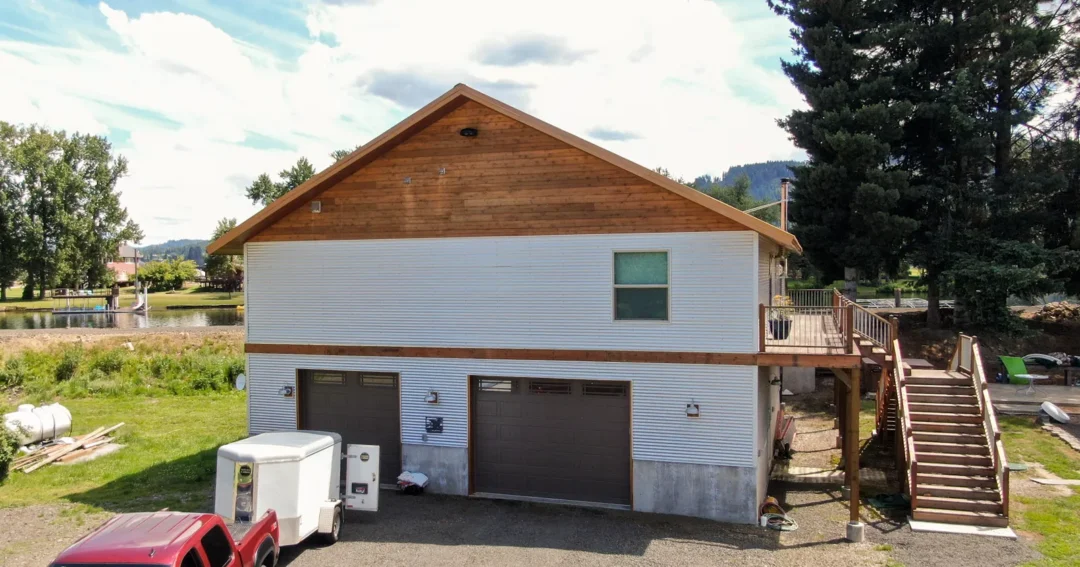
Small Pole Barn Homes: Designs, Costs, and What to Expect
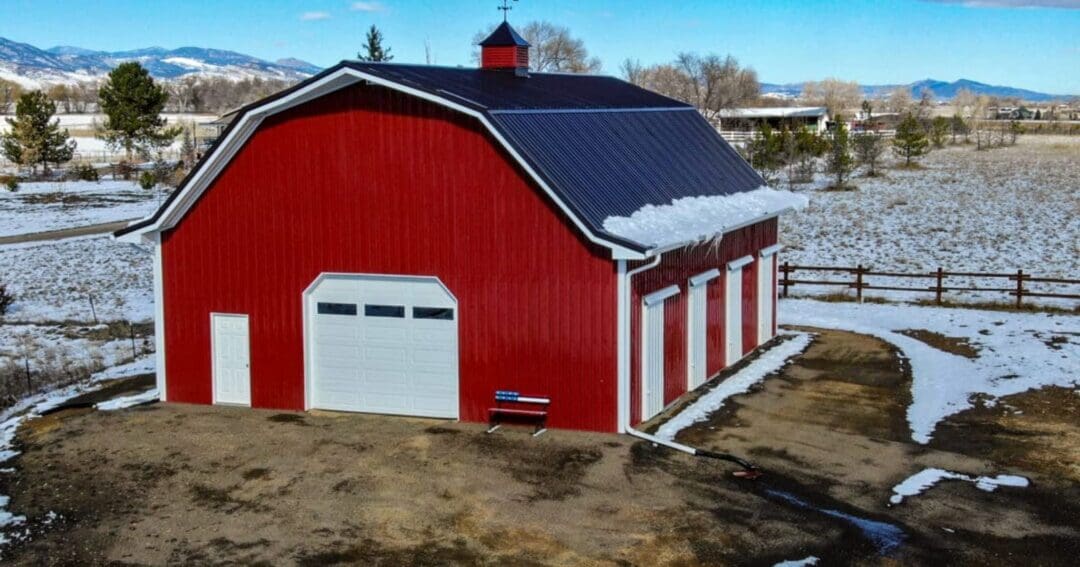
Small pole barn homes are one of the more practical paths to homeownership on rural land, and they are a lot more livable than the name implies. Post-frame construction scales down just as well as it scales up. An 800 to 1,400 square foot pole barn home built by a qualified contractor can be fully insulated, properly mechanicaled, code-compliant, and finished to the same standard as any custom home at a fraction of the cost of traditional stick-built construction at the same size.
The buyers who end up here are usually in one of a few situations: they own rural land and want to get something built without taking on a massive mortgage, they need a livable structure while a larger home or shop is planned later, or they have simply decided that a well-designed compact home fits their lifestyle better than a large house they do not need. All of those are good reasons. Here is what to know before you start planning.
What Makes Post-Frame the Right Method for a Small Home?
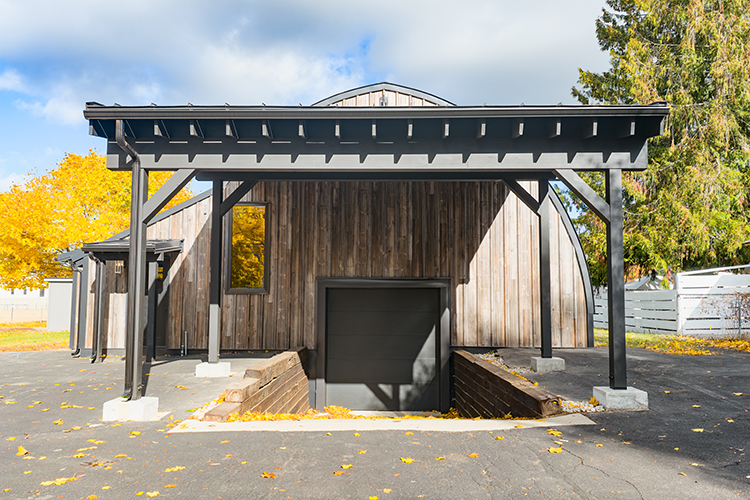
Post-frame construction has a few specific advantages for small home builds that make it worth understanding before you compare options:
- No interior load-bearing walls required. The structural columns carry the roof load, which means the interior layout is not constrained by where walls need to be for structural reasons. In a small home, this is a significant advantage. You can design an open floor plan that feels much larger than the square footage suggests.
- Cost-effective per square foot. Post-frame construction is consistently less expensive per square foot than stick-built at comparable finish levels. On a small home budget, that cost difference matters.
- Fast construction. A small post-frame home can be framed and dried-in faster than a conventional home of the same size, which reduces the exposure period between groundbreaking and a weather-tight shell.
- Durable exterior. Metal roofing and siding systems require minimal maintenance compared to asphalt shingles and wood or fiber cement siding, which matters on a smaller budget where ongoing maintenance costs add up.
- Expandable later. If you start with a small home now and want to add space later, like a garage, a lean-to, or an additional room, post-frame buildings are well-suited to additions in a way that some other construction methods are not.
Common Small Pole Barn Home Sizes and What They Accommodate
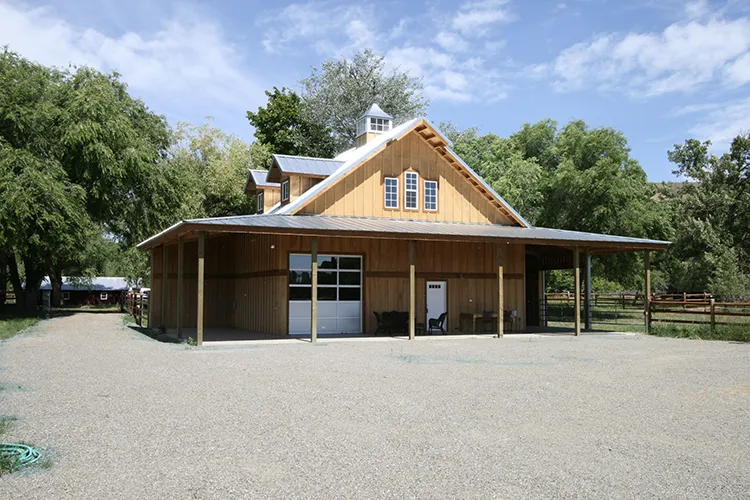
Small pole barn homes typically range from around 800 to 1,400 square feet of finished living space. Here is a realistic picture of what fits in each size range:
| Building Footprint | Finished Sq Ft | Typical Layout | Best For |
| 24×36 | ~864 sq ft | Studio or 1 bed / 1 bath with open kitchen and living | Single person or couple, starter home, guest cabin |
| 24×40 | ~960 sq ft | 1-2 bed / 1 bath, open living and kitchen | Small family starter, weekend property, rental |
| 30×36 | ~1,080 sq ft | 2 bed / 1 bath, separate living and dining | Small family, downsizers, rural starter home |
| 30×40 | ~1,200 sq ft | 2 bed / 1-2 bath, comfortable open plan | Most popular small home size — versatile and livable |
| 30×48 | ~1,440 sq ft | 2-3 bed / 2 bath, full kitchen and laundry | Small family, full-time comfortable living |
| 36×40 | ~1,440 sq ft | 3 bed / 2 bath, standard family layout | Family starter home, primary residence |
The 30×40 footprint is the most popular entry point for small pole barn homes. It gives you 1,200 square feet to work with, which is enough for a comfortable two-bedroom, one or two-bath layout with an open kitchen and living area and a proper laundry room. It feels significantly larger than 1,200 square feet when designed with an open floor plan and good ceiling height.
Small Pole Barn Home Floor Plan Options
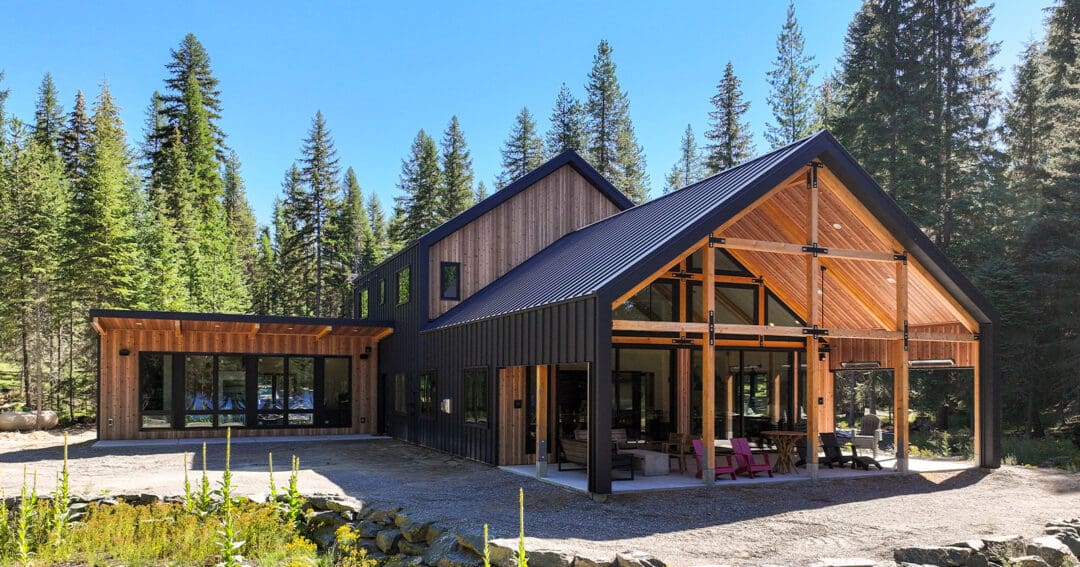
The floor plan decisions you make in a small home have a bigger impact on livability than they do in a large home. Getting them right matters. Here are the design principles that work best in compact post-frame homes:
Open Living, Kitchen, and Dining
An open floor plan that combines the kitchen, dining, and living areas into a single connected space is the single most effective way to make a small home feel larger than its square footage. Post-frame construction is ideal for this because there are no structural walls breaking up the space. A 30×40 home with a fully open main living area feels genuinely spacious. Separate the bedrooms and bathrooms at one end, keep the main living zone open, and you have a home that functions well and photographs well.
High Ceilings or Vaulted Ceiling in the Living Area
Ceiling height has a dramatic effect on how a small space feels. A 9 or 10-foot flat ceiling opens a room considerably compared to a standard 8-foot ceiling. A vaulted or scissor truss ceiling in the main living area following the roofline up to a ridge, makes a small home feel open and airy in a way that no amount of square footage can replicate. This is one area where post-frame homes have a natural advantage: the roof structure lends itself to vaulted interior spaces without the structural complexity it would add in stick-built construction.
Covered Porch or Entry
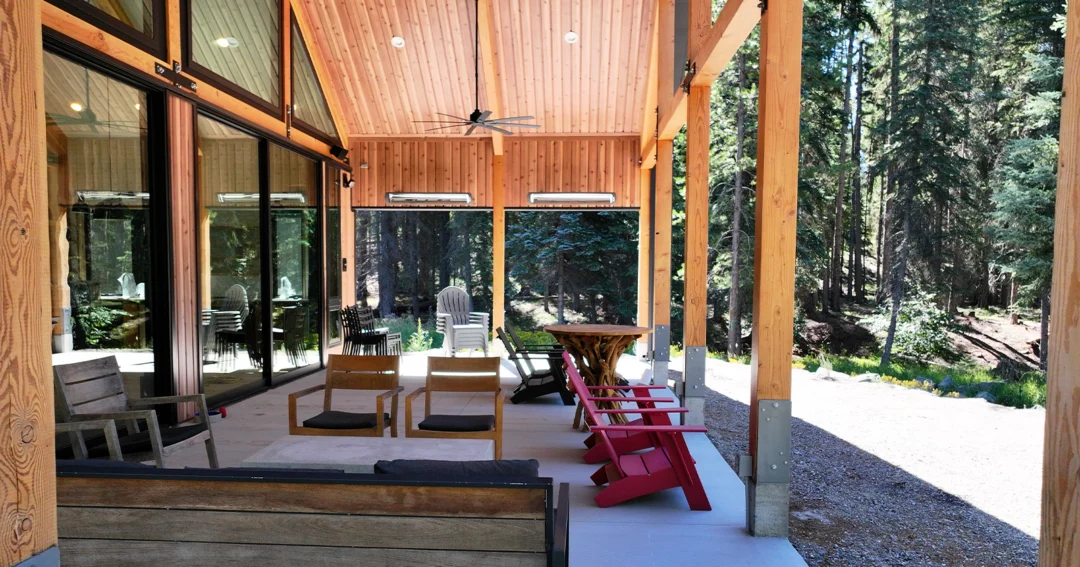
A covered porch or entry (even a simple 8-foot deep lean-to overhang across the front) extends the usable living space outdoors and dramatically improves the exterior appearance of a small home. In rural settings where people spend time outside, a covered porch is used constantly and adds perceived living area at very low cost per square foot.
Efficient Bedroom and Bathroom Layout
In a small home, bedrooms and bathrooms should be practical rather than generous. Two bedrooms at 10×12 feet each and a bathroom at 5×10 are comfortable and code-compliant without consuming square footage that is better used in the open living areas. A primary bedroom with an en-suite bathroom is achievable even in a 1,200 square foot layout if the room sizes are planned efficiently.
What Does a Small Pole Barn Home Cost?
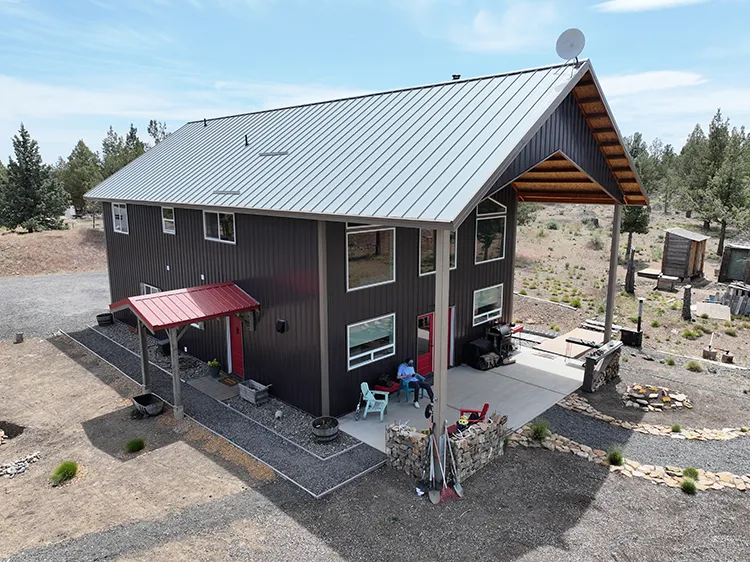
The ranges below are for turnkey post-frame home construction in SSA’s service area: Idaho, Washington, Oregon, Colorado, Wyoming and Montana, built to full residential code. They include foundation, framing, metal roofing and siding, insulation, windows and exterior doors, rough-in mechanical systems, and standard interior finish work. Site preparation and utility hookups are not included.
| Building Size | Finished Sq Ft | Basic Finish | Mid-Grade Finish | Premium Finish |
| 24×36 | ~864 sq ft | $95,000 – $130,000 | $125,000 – $165,000 | $160,000 – $210,000 |
| 30×40 | ~1,200 sq ft | $130,000 – $175,000 | $165,000 – $220,000 | $210,000 – $280,000 |
| 30×48 | ~1,440 sq ft | $155,000 – $205,000 | $195,000 – $260,000 | $250,000 – $330,000 |
| 36×40 | ~1,440 sq ft | $155,000 – $210,000 | $195,000 – $265,000 | $250,000 – $340,000 |
Finish level matters significantly in a small home. Basic finish means functional but simple: LVP flooring, painted drywall, builder-grade cabinets and fixtures. Mid-grade adds better cabinets, tile in the bathrooms, upgraded fixtures and appliances. Premium finish gets you custom cabinetry, engineered hardwood or high-end LVP, stone counters, and custom tile work. The home performs identically at any finish level. The cost difference is entirely in the selections.
What Affects the Cost of a Small Pole Barn Home
- Site conditions. Rocky ground, steep slopes, poor drainage, or difficult access can add meaningful cost to site preparation before construction even begins. A flat, accessible site with good soil is the most budget-friendly starting point.
- Utility connections. Connecting to water, sewer or septic, and electrical service adds cost that varies significantly by location. Rural properties with long utility runs can see this add $20,000 to $50,000 or more to the total project.
- Foundation type. A standard concrete perimeter footing with a slab floor is typical. Properties in high-frost-depth areas like Montana and Colorado may require deeper footings, which adds cost.
- Ceiling treatment. A vaulted ceiling with scissor trusses costs more than a standard flat ceiling but adds significant perceived space and resale value in a small home. Worth discussing with your contractor during the design phase.
- Covered porch or lean-to. Adding a porch or lean-to addition at the time of construction is far more cost-effective than adding it later. A 10×30 covered porch adds roughly $12,000 to $20,000 to the project cost and dramatically improves the livability and appearance of a small home.
Small Pole Barn Home vs. Larger Barndominium: When Small Is the Right Call
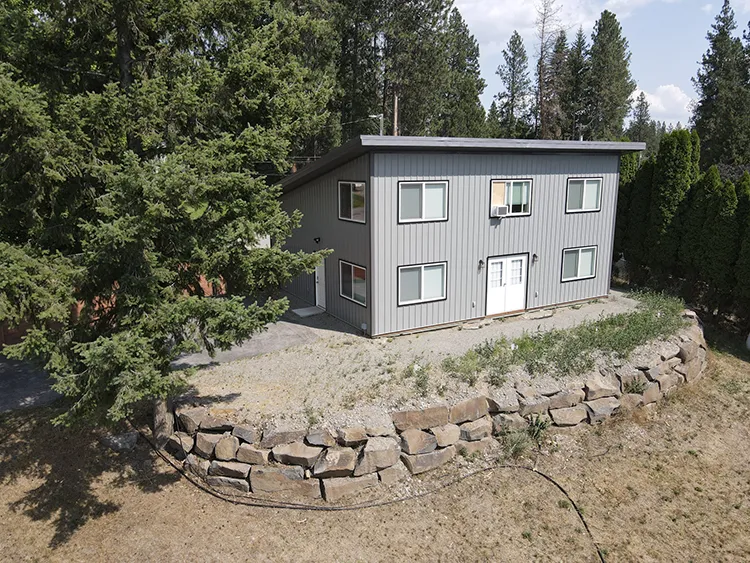
The decision to build small is sometimes driven by budget and sometimes by preference. Both are legitimate. Here is when a small pole barn home makes clear sense:
- You want to get on your land now. Building a smaller home now and adding on later (or building a shop separately) is a common and practical approach for rural landowners who do not want to wait years while saving for a larger build.
- You plan to build a larger structure later. Many small pole barn home buyers are building the home first and planning a shop, garage, or agricultural building as a separate project. Starting with the home gets you on the property while you plan the next phase.
- Your lifestyle does not require a large home. If you spend most of your time outdoors, in a shop, or traveling, a well-designed 1,200 square foot home functions as well as a 2,400 square foot home for most daily purposes and costs about half as much to build, heat, and maintain.
- You are managing a tight budget without compromising quality. Building smaller and finishing it properly is almost always a better decision than building larger and cutting corners on insulation, mechanical systems, or foundation work to stay within budget.
Frequently Asked Questions
Can you get a mortgage on a small pole barn home?
Yes, with the right lender. Post-frame homes that are built to residential code on a permanent foundation and meet minimum square footage requirements for your area can be financed with conventional mortgages, USDA rural housing loans, and FHA loans in many cases. The lender and appraiser need to be familiar with post-frame residential construction, which is increasingly common as barndominiums and pole barn homes have grown in popularity. Construction loans are also widely available for new post-frame home builds.
Is a small pole barn home considered a permanent residence?
Yes, when built to residential code on a permanent foundation. A post-frame home built with proper engineering, permits, insulation, and mechanical systems is treated as a permanent residential structure by lenders, insurers, and county assessors. The construction method does not affect the legal or financial classification of the building as a home.
How long does it take to build a small pole barn home?
A 30×40 post-frame home typically takes three to five months from groundbreaking to move-in, depending on contractor availability, material lead times, and the complexity of the finish work. Permitting and site preparation add to the total timeline. A simple design with standard finishes moves faster than a highly customized build.
Can I add on to a small pole barn home later?
Yes, and post-frame construction is particularly well-suited to additions. A lean-to addition on either side, an extension of the building footprint at one end, or a connected garage or shop can all be added to an existing post-frame home without the structural complications that additions create in some other construction methods. Plan the addition location with your contractor during the original design so the connection point is structurally prepared.
Ready to Start Planning Your Small Pole Barn Home?
Steel Structures America builds post-frame homes of all sizes throughout Idaho, Washington, Oregon, Colorado, and Montana. Whether you are planning a compact 900 square foot starter home or a 1,400 square foot full-time residence, we can walk you through the design options, give you a detailed line-item quote, and build a home that fits your land, your lifestyle, and your budget.
Call us at (866) 490-4012 or request a free quote online.